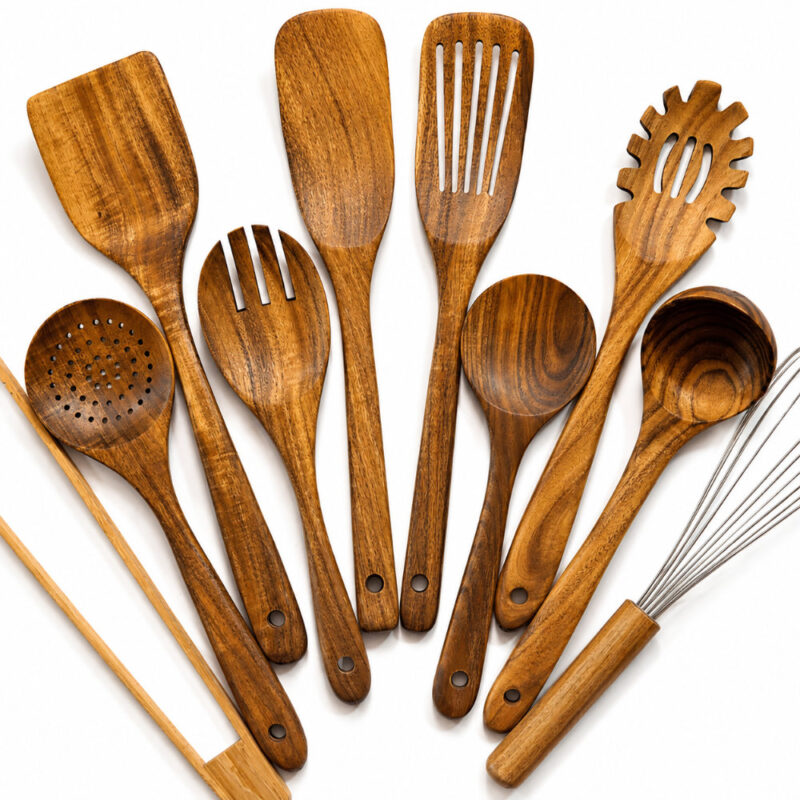
The Heat Resistance Reality Check
One of your biggest concerns when choosing between materials is probably how well your utensils handle high temperatures without melting, warping, or releasing unwanted chemicals into your food. While silicone utensils typically handle temperatures up to 400-450°F, quality hardwood utensils can withstand even higher heat without any degradation, and they won't conduct heat back to your hands the way metal tools do. Wood naturally insulates, which means you can confidently stir hot sauces, flip pancakes on a searing griddle, or work with molten caramel without worrying about your utensil failing you at a critical moment. When selecting wooden utensils, look for dense hardwoods like maple, cherry, or teak that have been properly seasoned and finished with food-safe oils rather than synthetic coatings.
Surface Protection and Cookware Longevity
You've invested in good cookware, and the last thing you want is scratches on your non-stick pans or gouges in your stainless steel surfaces from aggressive stirring and scraping. This is where the question of whether wood cooking utensils are better than silicone becomes particularly relevant to your daily cooking experience. Both materials are gentler than metal, but wood offers a unique advantage through its slight flexibility and natural grain structure that conforms to pan surfaces without causing damage. Quality wooden utensils develop a smooth patina over time that becomes even more protective to your cookware surfaces, while some silicone tools can develop rough edges or small tears that might catch on delicate non-stick coatings. Choose wooden utensils with smooth, well-sanded surfaces and rounded edges that have been properly finished to ensure they stay cookware-friendly throughout their long lifespan.
Precision and Control in Your Cooking Techniques
When you're tempering chocolate, making delicate custards, or folding ingredients for light cakes, the responsiveness of your utensils directly affects your results. Wooden spoons and spatulas provide superior tactile feedback because wood transmits vibrations and resistance in ways that help you sense exactly what's happening in your pan or bowl. This natural sensitivity allows you to feel when your roux reaches the perfect consistency, when your eggs are properly scrambled, or when your cookie dough has just the right texture. Silicone, while flexible, can sometimes feel disconnected from the cooking process, making it harder to gauge doneness or detect subtle changes in your ingredients. Look for wooden utensils with comfortable handles that fit your grip naturally and have enough weight to feel substantial without being cumbersome during extended cooking sessions.
Maintenance Requirements and Long-Term Care
You want kitchen tools that fit realistically into your cleaning routine without requiring special treatments or constant replacement. While silicone utensils might seem lower maintenance because they're dishwasher safe, they often retain odors from strong ingredients like garlic or curry, and they can develop permanent stains that make them look worn even when they're still functional. Quality wooden utensils require hand washing and occasional oiling, but this simple care routine actually extends their lifespan significantly and keeps them looking beautiful for decades. The natural antimicrobial properties of many hardwoods also mean they're naturally hygienic when properly maintained. Establish a routine of washing wooden utensils immediately after use with warm soapy water, drying them completely, and applying a thin coat of food-grade mineral oil or specialized wood conditioner every few months to keep them in optimal condition.
Durability and Value Over Time
Your kitchen budget matters, and you want to invest in tools that will serve you well for years rather than needing frequent replacement. This economic consideration makes the debate over whether wood cooking utensils are better than silicone particularly important for practical home cooks. High-quality wooden utensils often outlast multiple sets of silicone tools because wood actually becomes stronger and more refined with proper use and care. While silicone utensils may crack, tear, or degrade from repeated exposure to high heat and aggressive use, well-made wooden utensils can literally last a lifetime and even improve with age as they develop their seasoning. Factor in the replacement costs of silicone tools over several years, and wooden utensils often represent superior long-term value despite their higher initial investment.
Environmental Impact and Kitchen Sustainability
You're increasingly conscious about the environmental footprint of your household choices, including your kitchenware selections. Wooden utensils made from sustainably harvested hardwoods are biodegradable at the end of their very long lifespan, while silicone products contribute to plastic waste that persists in landfills for centuries. Additionally, quality wooden utensils often come from renewable sources and require less energy-intensive manufacturing processes compared to synthetic materials. Many artisan-made wooden utensils also support traditional craftsmanship and smaller businesses rather than large industrial operations. When shopping for wooden utensils, look for certifications indicating sustainable forestry practices and choose makers who use traditional techniques and natural finishes rather than mass-produced items with synthetic treatments.
Aesthetic Appeal and Kitchen Satisfaction
Your kitchen is a space where you spend significant time, and the tools you use daily should bring you genuine satisfaction and complement your cooking environment. Beautiful wooden utensils add warmth and natural character to your kitchen that silicone simply cannot match, and they often become more attractive with age and use rather than showing wear and deterioration. The tactile pleasure of working with smooth, well-crafted wood enhances your overall cooking experience in subtle but meaningful ways that contribute to your enjoyment of food preparation. Whether your kitchen style is modern, traditional, or eclectic, quality wooden utensils integrate seamlessly while adding organic texture and visual interest. Choose wooden utensils that feel comfortable in your hands and appeal to your aesthetic preferences, as these tools that you'll reach for daily should spark joy every time you cook.