The Hard Truth About Dishwashers and Wood
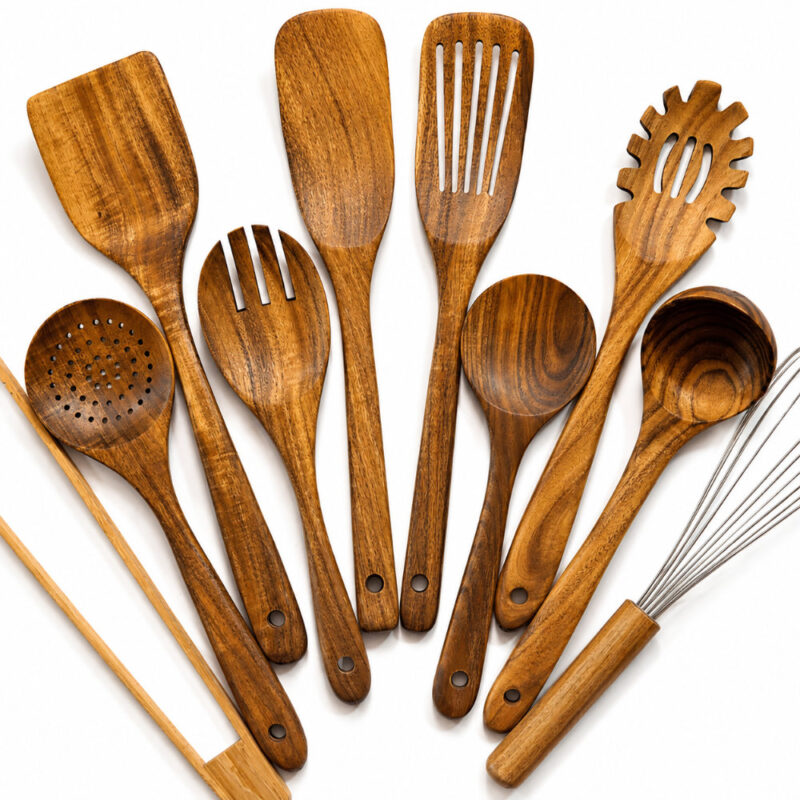
Many home cooks assume that if something fits in the dishwasher, it belongs there, but wooden utensils require special consideration. The combination of high heat, harsh detergents, and extended water exposure in dishwashers can cause wooden kitchen tools to crack, warp, or lose their protective finish. When you're deciding whether you can wash wooden utensils in the dishwasher, the safest answer is typically no, but understanding why helps you make informed choices about which wooden pieces deserve the investment and how to care for them properly.
Temperature Shock: Your Wood's Biggest Enemy
Wooden utensils expand and contract with temperature changes, and dishwashers create extreme conditions that natural materials weren't designed to handle. The rapid shift from hot wash cycles to heated drying puts tremendous stress on wood fibers, leading to splitting and cracking that compromises both function and appearance. Quality hardwood utensils like those made from maple, cherry, or walnut can withstand normal cooking temperatures, but the sustained heat and moisture in dishwashers exceed what even premium woods can tolerate without damage.
Chemical Warfare: How Detergents Attack Wood
Dishwasher detergents contain powerful chemicals designed to break down food particles and grease, but these same agents strip away the natural oils and protective finishes that keep wooden utensils healthy. When exposed to these harsh cleaners repeatedly, your wooden tools become dry, rough, and prone to absorbing odors and stains. The best wooden kitchenware features food-safe finishes that provide some protection, but even these barriers break down under the assault of commercial detergents, making hand washing with mild soap your safest option.
Water Damage: The Silent Destroyer
Extended water exposure during long dishwasher cycles allows moisture to penetrate deep into wood grain, causing swelling, warping, and eventually splitting as the wood dries unevenly. This water damage often appears gradually, starting with minor surface changes before progressing to structural problems that make utensils unsafe for food contact. Premium wooden utensils typically receive treatments that improve water resistance, but no finish completely eliminates the risk when wood spends extended time submerged in hot, soapy water.
Smart Cleaning Strategies That Actually Work
The most effective approach to cleaning wooden utensils involves simple hand washing with warm water and mild dish soap, followed by immediate drying with a clean towel. This gentle method removes food particles and bacteria without subjecting your tools to the harsh conditions that cause long-term damage. For stubborn odors or stains, create a paste with baking soda and water, let it sit for a few minutes, then scrub gently with a soft brush before rinsing thoroughly and drying completely.
Maintenance Secrets for Long-Lasting Wood
Proper maintenance extends the life of wooden utensils far beyond what's possible with dishwasher cleaning, making your investment in quality tools worthwhile. Monthly conditioning with food-safe mineral oil or specialized wood conditioner keeps the surface smooth and creates a protective barrier against moisture and stains. Apply the oil when wood feels dry or appears dull, let it absorb for several hours or overnight, then wipe away excess with a clean cloth to restore the natural luster and protection.
Making the Right Choice for Your Kitchen
While you technically can wash wooden utensils in the dishwasher occasionally without immediate catastrophic results, doing so regularly will significantly shorten their lifespan and compromise their performance. The few minutes saved in cleanup rarely justify the cost of replacing damaged wooden tools, especially when quality pieces represent a significant investment in your kitchen's functionality. Choose wooden utensils for their superior cooking properties and natural beauty, then protect that investment with proper hand care that ensures years of reliable service.