The Science Behind Safe Wood Sanitization
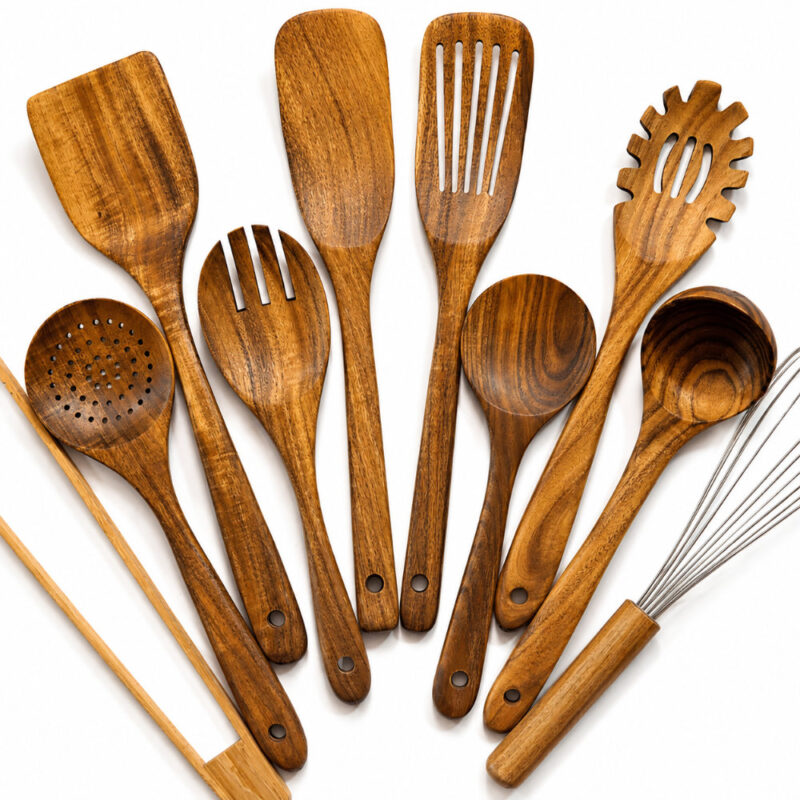
Many home cooks avoid wooden utensils because they believe wood is impossible to sanitize properly. The truth is that wood has natural antimicrobial properties that work in your favor when you understand the proper cleaning process. Research shows that certain wood types actually kill bacteria more effectively than plastic surfaces. The key to learning how to disinfect wooden utensils lies in working with wood's natural grain structure rather than against it. Start by washing immediately after use with hot, soapy water and a gentle scrub brush to remove food particles before they can penetrate the wood fibers.
Hot Water and Soap: Your First Line of Defense
The biggest mistake people make is overthinking the disinfection process when simple hot water and dish soap handle most cleaning needs perfectly. Your wooden utensils don't need harsh chemicals or special treatments for everyday cleaning after preparing vegetables, stirring sauces, or general cooking tasks. Hot water opens the wood's pores slightly, allowing soap to penetrate and lift away food particles and oils that could harbor bacteria. When you master how to disinfect wooden utensils with this basic method, you'll handle 90% of your cleaning needs while preserving the wood's natural oils and preventing cracking.
Heat Treatment for High-Risk Situations
Sometimes you need extra assurance, especially after handling raw meat, fish, or eggs with your wooden tools. Heat is your most reliable ally for eliminating harmful bacteria without damaging the wood structure. Pour boiling water slowly over the utensil, letting it sit for 30 seconds before washing with hot, soapy water. This method effectively sanitizes while being gentler than harsh chemical disinfectants that can dry out and crack your wooden utensils. Understanding how to disinfect wooden utensils with controlled heat gives you confidence to use them for any cooking task.
Natural Disinfection with Salt and Lemon
When your wooden utensils absorb strong odors from garlic, onions, or fish, standard washing might not be enough to restore their freshness. Create a natural scrub using coarse salt and fresh lemon juice, which combines mechanical cleaning with natural acids that break down odor-causing compounds. The salt acts as a gentle abrasive to lift stubborn residues, while lemon's citric acid naturally disinfects and neutralizes odors. This method shows you how to disinfect wooden utensils while addressing the dual challenge of sanitization and odor removal in one simple step.
White Vinegar for Deep Cleaning Sessions
Monthly deep cleaning helps maintain your wooden utensils' hygiene and extends their lifespan significantly. White vinegar's acetic acid naturally kills bacteria and breaks down mineral deposits that can accumulate over time. Wipe your utensils with undiluted white vinegar, let it sit for five minutes, then rinse thoroughly with hot water and wash normally. This approach demonstrates how to disinfect wooden utensils at a deeper level while maintaining the wood's integrity better than bleach-based cleaners that can cause splitting and deterioration.
Proper Drying Prevents Future Problems
Most bacterial growth in wooden utensils happens during improper storage when moisture gets trapped in the wood grain. After washing and disinfecting, always dry your utensils completely with a clean towel, then let them air dry in a well-ventilated area before storing. Never put wooden utensils away damp or stack them while wet, as this creates the perfect environment for bacteria and mold growth. Mastering this final step in how to disinfect wooden utensils ensures your cleaning efforts provide lasting protection.
When to Replace Rather Than Disinfect
Even the best-maintained wooden utensils eventually reach the end of their safe lifespan, and knowing when to replace them is crucial for food safety. Deep cracks, persistent odors that won't respond to cleaning, or visible mold growth are clear signs that replacement is necessary. Splits in the wood create harbors for bacteria that no amount of cleaning can reach effectively. Quality wooden utensils can last for decades with proper care, but when these warning signs appear, investing in new tools protects your family's health while ensuring you continue enjoying the benefits of cooking with wood.