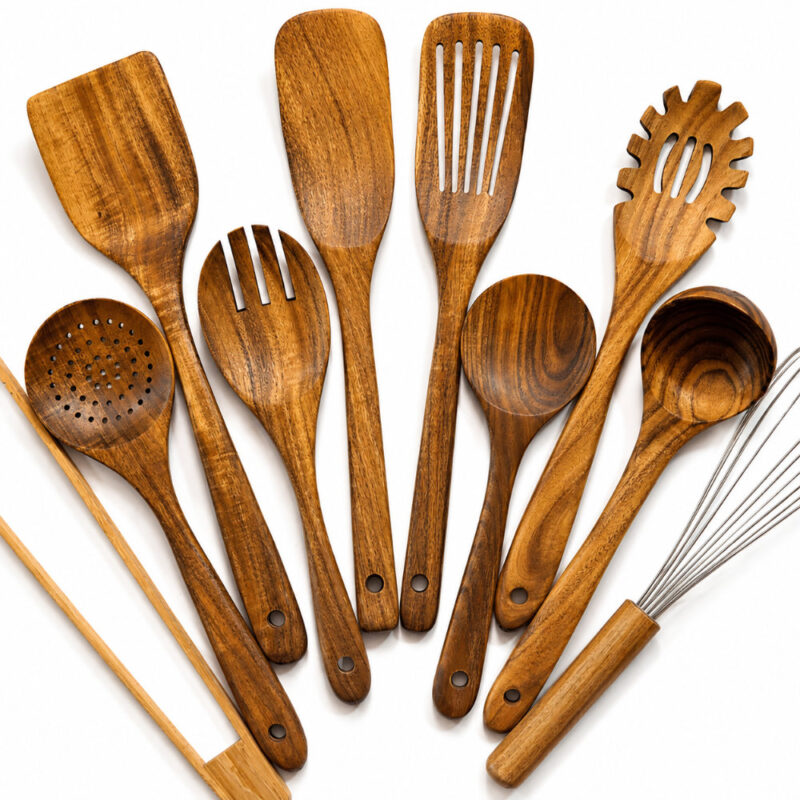
Understanding Why Wooden Utensils Crack and Split
The most common frustration home cooks face is watching their beautiful wooden spoons develop unsightly cracks seemingly overnight. Wood is a natural material that expands and contracts with moisture changes, and when utensils dry out completely, the fibers shrink and pull apart. What you need in quality wooden tools is dense, well-seasoned hardwood that resists cracking, but even the finest utensils require regular conditioning. Learning how to keep wooden utensils from drying out starts with recognizing the early warning signs—a dull appearance, rough texture, or the beginning of hairline cracks. The moment you notice your wooden tools looking parched, it's time to give them the nourishment they need through proper oiling.
Choosing the Right Oil for Long-Lasting Protection
Many home cooks make the critical mistake of using cooking oils like olive oil or vegetable oil on their wooden utensils, only to discover a sticky, rancid mess weeks later. What you need for proper wooden utensil care is a food-safe mineral oil or specialized wood conditioner that won't go rancid over time. These oils penetrate deep into the wood fibers, creating a protective barrier that prevents moisture loss while maintaining a smooth, comfortable grip. When you master how to keep wooden utensils from drying out with the right oil, you'll notice your tools feel silky smooth and maintain their natural color without developing that gray, weathered appearance that signals neglect. Apply a thin layer of mineral oil monthly, allowing it to soak in overnight before wiping away any excess.
Creating a Proper Washing and Drying Routine
The biggest enemy of wooden utensils isn't heavy use—it's improper cleaning that strips away natural oils and leaves the wood vulnerable to cracking. You want a gentle washing routine that cleans effectively without causing damage, which means hand-washing with mild dish soap and warm water, never soaking or putting wooden tools in the dishwasher. After washing, the key to how to keep wooden utensils from drying out lies in immediate but gentle drying—pat them dry with a clean towel, then allow them to air dry completely in a well-ventilated area away from direct heat sources. This prevents the rapid moisture loss that causes splitting while ensuring your utensils are completely dry before storage, preventing mold or mildew growth.
Recognizing When Your Utensils Need Extra Attention
Even with regular care, wooden utensils will occasionally show signs of distress that require immediate intervention before permanent damage occurs. What you're looking for are subtle changes in texture, color, or structural integrity that signal your tools need extra conditioning. When wood starts feeling rough, appears grayish, or develops small surface cracks, it's crying out for moisture restoration. The secret to how to keep wooden utensils from drying out during these critical moments is deep conditioning—apply a generous amount of mineral oil, let it soak for several hours, then follow up with a second lighter application. This intensive treatment can often reverse early damage and extend your utensils' lifespan by years.
Storage Solutions That Prevent Future Damage
Where and how you store your wooden utensils plays a crucial role in their longevity, yet many cooks overlook this simple aspect of care. You need storage solutions that allow air circulation while protecting your tools from extreme temperature and humidity changes that accelerate drying. Avoid storing wooden utensils in sealed containers, near heat sources like stoves or dishwashers, or in damp areas that promote mold growth. Understanding how to keep wooden utensils from drying out includes choosing storage locations with stable conditions—a kitchen drawer with good ventilation or a countertop utensil holder work perfectly. Keep your most frequently used wooden tools easily accessible so you'll actually use them regularly, as frequent use followed by proper cleaning helps maintain the wood's natural oils.
Building a Sustainable Maintenance Schedule
The difference between wooden utensils that last decades and those that crack within months often comes down to consistency in care rather than expensive treatments or special products. What you need is a simple, sustainable routine that becomes second nature—monthly oiling, immediate drying after washing, and quarterly deep conditioning for heavily used pieces. When you establish a regular schedule for how to keep wooden utensils from drying out, you'll notice your tools actually improve with age, developing a beautiful patina and becoming smoother with use. Mark your calendar with monthly reminders, keep a bottle of mineral oil in an easily accessible cabinet, and make wooden utensil care part of your regular kitchen maintenance routine alongside sharpening knives and cleaning appliances.
Reviving Neglected Wooden Utensils
Even severely dried and cracked wooden utensils can often be saved with patient, intensive care that restores their functionality and appearance. You might think those rough, gray spoons are beyond help, but proper conditioning can work remarkable transformations on neglected wooden tools. The process for how to keep wooden utensils from drying out when they're already damaged involves gentle sanding with fine-grit sandpaper to remove rough spots, followed by multiple conditioning treatments spaced days apart to allow deep oil penetration. Start with 220-grit sandpaper to smooth rough areas, then progress through increasingly generous oil applications until the wood regains its smooth texture and rich color. This revival process requires patience but can return even badly neglected utensils to like-new condition.