The Science Behind Wood's Natural Defense System
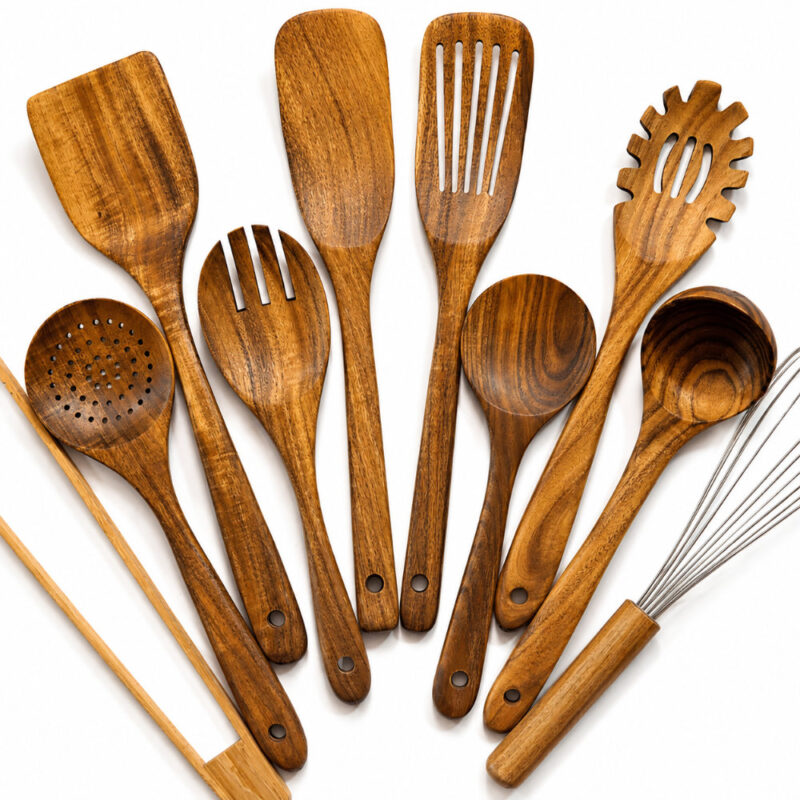
Your concern about bacterial growth on wooden surfaces makes perfect sense – after all, we've been taught that non-porous materials are always safer. However, research reveals that certain hardwoods actually possess remarkable antimicrobial properties that work continuously to eliminate harmful bacteria. Dense hardwoods like maple, cherry, and walnut contain natural compounds called extractives that actively fight microbial growth, while their tight grain structure prevents deep bacterial penetration. When you choose quality wooden utensils made from these premium hardwoods, you're selecting tools that work actively to maintain their own cleanliness between uses, making your kitchen routine both safer and more efficient.
Why Wood Type Makes All the Difference in Food Safety
Not all wooden utensils offer the same level of bacterial resistance, and this distinction directly impacts your family's health and safety. Softwoods and cheaper alternatives often feature open grain patterns and porous surfaces that can indeed harbor bacteria, validating your initial concerns about wooden kitchenware safety. However, properly selected hardwood utensils – particularly those crafted from maple, beech, or other dense varieties – create an inhospitable environment for bacterial growth through their natural density and antimicrobial properties. Do wooden utensils harbor bacteria when made from inferior materials? Absolutely, but premium hardwood options eliminate this risk entirely. Choose utensils specifically labeled as food-grade hardwood, and always verify the wood species before purchasing to ensure you're investing in tools that prioritize both performance and safety.
Proper Cleaning Techniques That Actually Work
Your wooden utensils need more than a quick rinse to maintain their antibacterial effectiveness, but the cleaning process doesn't have to be complicated or time-consuming. The most effective approach combines immediate rinsing with warm soapy water, followed by thorough air drying in an upright position that allows complete moisture evaporation. Never soak wooden utensils or put them in the dishwasher, as excessive moisture exposure breaks down the wood's natural protective barriers and creates the perfect environment for bacterial growth. Do wooden utensils harbor bacteria when cleaned improperly? Yes, which is why consistency in your cleaning routine matters more than the specific products you use. Establish a simple post-use ritual: rinse immediately, wash with dish soap, rinse again, and dry completely before storing.
The Monthly Maintenance Routine That Extends Lifespan
Beyond daily cleaning, your wooden utensils require periodic deep conditioning to maintain their antibacterial properties and prevent cracking that could harbor unwanted microorganisms. Food-grade mineral oil creates a protective barrier that enhances wood's natural antimicrobial action while preventing moisture absorption that leads to bacterial growth. Apply a thin layer of oil monthly, allow it to penetrate for several hours, then wipe away excess with a clean cloth for optimal results. This maintenance routine also prevents the surface cracking and roughening that can compromise food safety, ensuring your investment continues delivering reliable performance for years. Quality wooden utensils treated with regular conditioning actually become more resistant to bacterial contamination over time, making them safer than many synthetic alternatives.
When to Replace Your Wooden Utensils
Even the highest-quality wooden utensils eventually need replacement, and recognizing the warning signs protects your family from potential food safety risks. Deep cracks, persistent odors, or rough surfaces that feel fuzzy after washing indicate that the wood's protective structure has been compromised beyond repair. Do wooden utensils harbor bacteria when they've reached this condition? Definitely, because damaged wood creates countless microscopic hiding places for harmful microorganisms that resist normal cleaning efforts. Inspect your utensils monthly during conditioning, and don't hesitate to retire any pieces showing signs of structural damage or surface deterioration. Premium wooden utensils typically last 5-10 years with proper care, making replacement a rare but important consideration for maintaining kitchen safety standards.
Smart Storage Solutions That Prevent Contamination
How you store wooden utensils between uses significantly impacts their ability to resist bacterial growth and maintain food safety standards. Proper storage requires adequate air circulation and complete moisture elimination, which means avoiding closed containers or drawers where humidity can accumulate. Stand utensils upright in a well-ventilated holder, or lay them flat in a drawer with ventilation gaps that allow continuous air flow around each piece. Never store wooden utensils while damp, as trapped moisture creates the perfect breeding ground for bacteria and mold that can compromise both safety and performance. Choose storage solutions that complement your kitchen's natural air circulation patterns, and always ensure utensils are completely dry before putting them away for extended periods.
Professional-Grade Options That Eliminate Safety Concerns
Investment in restaurant-quality wooden utensils eliminates most bacterial concerns while providing superior performance that justifies the higher initial cost. Professional kitchenware manufacturers understand the critical relationship between wood selection, construction quality, and food safety, resulting in products that meet the highest industry standards for bacterial resistance. These premium options typically feature specific hardwood varieties, precision manufacturing that eliminates surface irregularities, and protective finishes designed for intensive commercial use. Do wooden utensils harbor bacteria when manufactured to professional standards? Rarely, because commercial-grade construction prioritizes both durability and antimicrobial performance above cost considerations. Research brands used in professional kitchens, read detailed specifications about wood types and manufacturing processes, and choose options that explicitly address food safety concerns through superior materials and construction techniques.