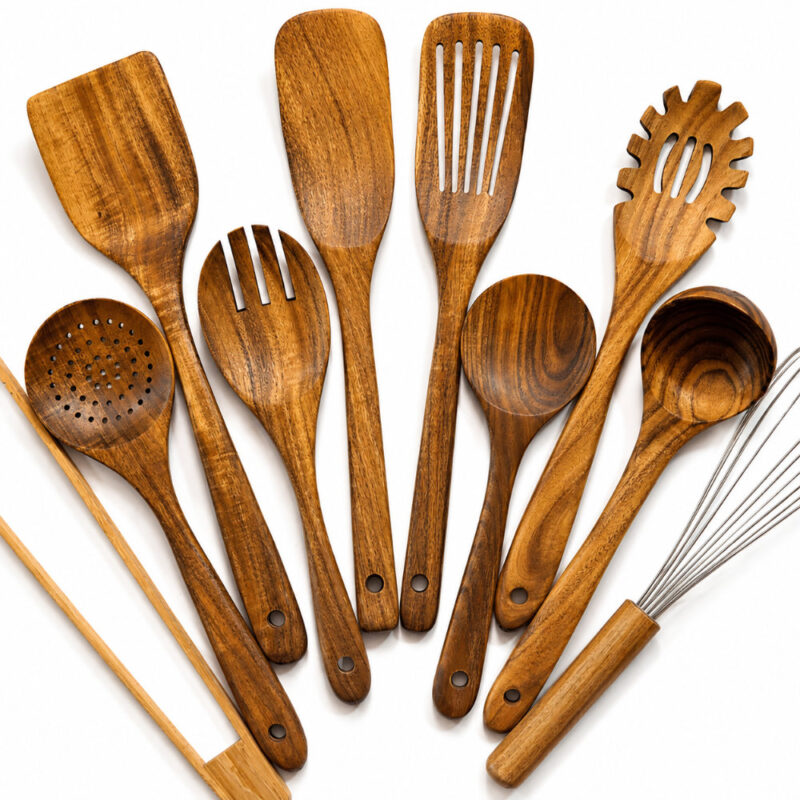
The Natural Antimicrobial Properties That Protect Your Family
Your primary concern about wooden utensils probably centers on bacteria buildup and food safety. You need kitchen tools that actively resist harmful microorganisms rather than becoming breeding grounds for them. Olive wood's dense grain structure and natural antimicrobial compounds create an environment where bacteria struggle to survive, making these utensils inherently safer than many alternatives. The key is choosing high-quality olive wood from reputable sources and maintaining them properly with occasional oiling to preserve their protective properties.
Why Olive Wood Outperforms Plastic for Chemical Safety
You've likely heard about microplastics and chemical leaching from plastic utensils, especially when exposed to heat. What you need are tools that remain completely inert when cooking, never releasing harmful substances into your food. Are olive wood utensils safe from chemical contamination? Absolutely – they contain no synthetic additives, BPA, or other industrial chemicals that could migrate into your meals. Unlike plastic that degrades over time, olive wood maintains its integrity and safety profile throughout years of use, making it the smart choice for health-conscious cooks.
The Gentle Strength That Preserves Your Cookware Investment
Your expensive non-stick pans and seasoned cast iron deserve utensils that protect their surfaces while delivering excellent performance. You need tools strong enough for serious cooking tasks yet gentle enough to preserve delicate coatings. Olive wood strikes this perfect balance – its natural hardness provides excellent durability for stirring thick sauces and scraping fond, while its smooth surface won't scratch or damage your cookware. Choose utensils with properly sanded and finished surfaces to ensure they glide smoothly across any cooking surface without causing damage.
Heat Resistance That Handles Your Toughest Cooking Challenges
You've probably experienced plastic utensils melting or warping during high-heat cooking, creating both safety hazards and frustrating interruptions. What you need are tools that maintain their integrity and safety even when exposed to extreme temperatures. Olive wood's natural heat resistance makes these utensils safe for all cooking methods, from gentle sautéing to high-heat searing. They won't melt, warp, or release toxic fumes like synthetic alternatives, giving you confidence to cook at any temperature your recipe demands.
The Easy Maintenance That Fits Your Busy Lifestyle
Your kitchen routine demands tools that clean easily without requiring complicated maintenance procedures. You need utensils that resist staining and odor absorption while remaining simple to sanitize. Olive wood's tight grain naturally repels liquids and odors, making cleanup as simple as washing with warm soapy water and air drying. For optimal longevity and continued safety, apply food-grade mineral oil monthly to maintain the wood's natural protective barrier and prevent any potential cracking or splitting.
Longevity That Justifies Your Investment in Quality
You're tired of replacing cheap kitchen tools that break, stain, or become unsafe after minimal use. What you need are utensils that improve with age and deliver lasting value through superior materials and construction. Quality olive wood utensils develop a beautiful patina over time while maintaining their safety and functionality for decades. The initial investment pays dividends through their exceptional lifespan – properly cared for olive wood utensils can literally last a lifetime, making them both the economical and environmentally responsible choice.
Smart Selection Tips for Maximum Safety and Performance
You want to ensure your olive wood utensils deliver on their safety promises from day one. Look for utensils made from solid, single-piece construction without glued joints where bacteria could hide, and choose pieces with smooth, splinter-free finishes that feel comfortable in your hands. Reputable manufacturers will specify their wood source and finishing process, giving you confidence in your purchase. Start with essential pieces like spoons and spatulas to test how olive wood fits your cooking style before building a complete collection.