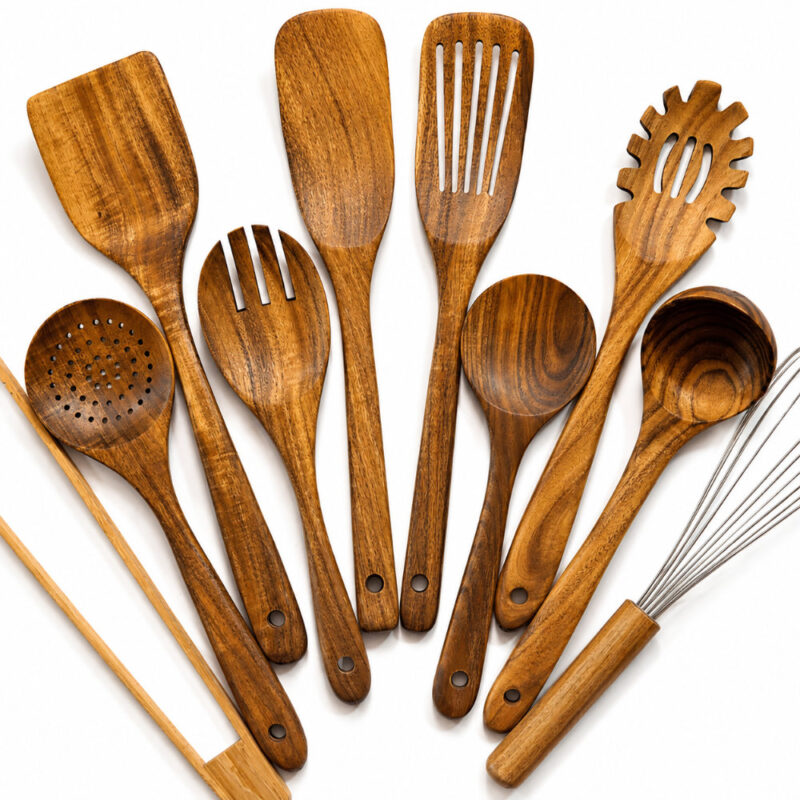
Why Walnut Wood Outperforms Other Materials in Your Kitchen
Many home cooks struggle with utensils that either damage their cookware or fail to perform basic tasks effectively. You need materials that combine strength with gentleness, and walnut wood delivers both beautifully. This premium hardwood features tight, consistent grain patterns that resist chipping and splintering, even with heavy daily use. The natural oils in walnut create a protective barrier that repels moisture while maintaining the wood's structural integrity. When you're deciding is walnut wood good for cooking utensils, consider that professional chefs often choose walnut for its reliability – start with a basic walnut spoon or spatula to experience the difference quality wood makes in your cooking routine.
The Science Behind Walnut's Natural Antimicrobial Properties
Concerns about food safety with wooden utensils often stem from misconceptions about how quality hardwoods actually behave in kitchen environments. You want utensils that won't harbor dangerous bacteria, and walnut wood naturally inhibits bacterial growth through its dense cellular structure and antimicrobial compounds. Research shows that bacteria actually die on properly maintained hardwood surfaces rather than multiplying, making walnut safer than many synthetic alternatives. The key lies in walnut's low porosity – it doesn't absorb liquids deeply enough for bacteria to establish colonies. To maintain these protective qualities, simply wash your walnut utensils with warm soapy water immediately after use and allow them to air dry completely.
How Walnut's Density Creates Superior Heat Resistance
Kitchen accidents happen when utensils can't handle the heat of serious cooking, leaving you with melted handles or burnt tools. You need utensils that remain cool and comfortable even during high-temperature cooking, and walnut wood excels in thermal management. Its dense structure conducts heat slowly, meaning the handles of walnut utensils stay comfortable to hold even when stirring hot sauces or working near open flames. This heat resistance also prevents the warping and cracking that plague inferior woods in kitchen environments. Since you're wondering is walnut wood good for cooking utensils in high-heat situations, the answer is definitively yes – choose walnut tools with comfortable handle shapes and adequate length to keep your hands safely away from heat sources.
Protecting Your Expensive Cookware Investment
Nothing frustrates serious cooks more than watching metal utensils scratch expensive non-stick or stainless steel cookware. You've invested in quality pans and need tools that preserve their surfaces while delivering effective performance. Walnut wood provides the perfect solution with its naturally smooth finish that won't scratch even delicate coatings. The hardness of walnut prevents the gouging that can occur with softer woods, while its density eliminates the flexibility that makes cheaper wooden utensils ineffective for tasks like deglazing or scraping. When selecting walnut utensils, look for pieces with smooth, well-sanded edges that feel comfortable against your cookware – properly finished walnut tools will actually improve with use as they develop a natural polish.
Long-Term Durability That Justifies the Investment
Budget kitchen tools often seem economical until you calculate replacement costs over time, leaving you frustrated with constant purchases of inferior products. You want utensils that improve with age rather than deteriorating, and walnut wood offers exceptional longevity when properly cared for. The natural hardness resists denting and wearing, while walnut's stable grain structure prevents the splitting that destroys cheaper wooden tools. Many professional kitchens rely on walnut utensils for decades, developing rich patinas that actually enhance performance. For those still questioning is walnut wood good for cooking utensils as a long-term investment, consider that quality walnut tools often outlast multiple sets of synthetic alternatives – maintain them with occasional light oiling using food-safe mineral oil to preserve their beauty and functionality for generations.
Ergonomic Comfort for Extended Cooking Sessions
Extended cooking sessions can become uncomfortable when your utensils cause hand fatigue or don't provide adequate control. You need tools that feel natural in your hand and reduce strain during repetitive motions like stirring risotto or flipping vegetables. Walnut wood's moderate weight provides excellent balance without the heaviness of metal or the flimsiness of plastic. The natural texture offers secure grip even when hands are wet or oily, while walnut's workability allows craftsmen to create ergonomic shapes that fit comfortably in various hand sizes. Professional-grade walnut utensils often feature tapered handles and smooth transitions that reduce pressure points during use – test the feel of different handle styles to find walnut tools that complement your cooking style and hand size.
Maintenance Simplicity That Fits Real Kitchen Life
Complex care routines for kitchen tools often discourage home cooks from investing in quality materials, leaving you stuck with inferior options that compromise cooking results. You need utensils that combine superior performance with realistic maintenance requirements, and walnut wood strikes this balance perfectly. Regular cleaning requires only warm soapy water and thorough drying – no special soaps or complicated procedures. The natural durability means walnut utensils bounce back from normal kitchen wear without constant attention. Monthly conditioning with food-grade mineral oil keeps walnut looking beautiful and performing optimally, but even neglected walnut tools can often be restored with simple sanding and re-oiling. When considering is walnut wood good for cooking utensils from a practical standpoint, remember that consistent basic care prevents problems rather than requiring intensive restoration – establish a simple routine of immediate washing and periodic oiling to maintain your walnut tools effortlessly.