
Can You Put Wooden Utensils in the Dishwasher?

The Short Answer: No, You Should Not
Wooden utensils should stay out of the dishwasher. The high heat, harsh detergents, and prolonged water exposure damage the wood. This causes cracking, warping, and splitting that ruins your utensils.
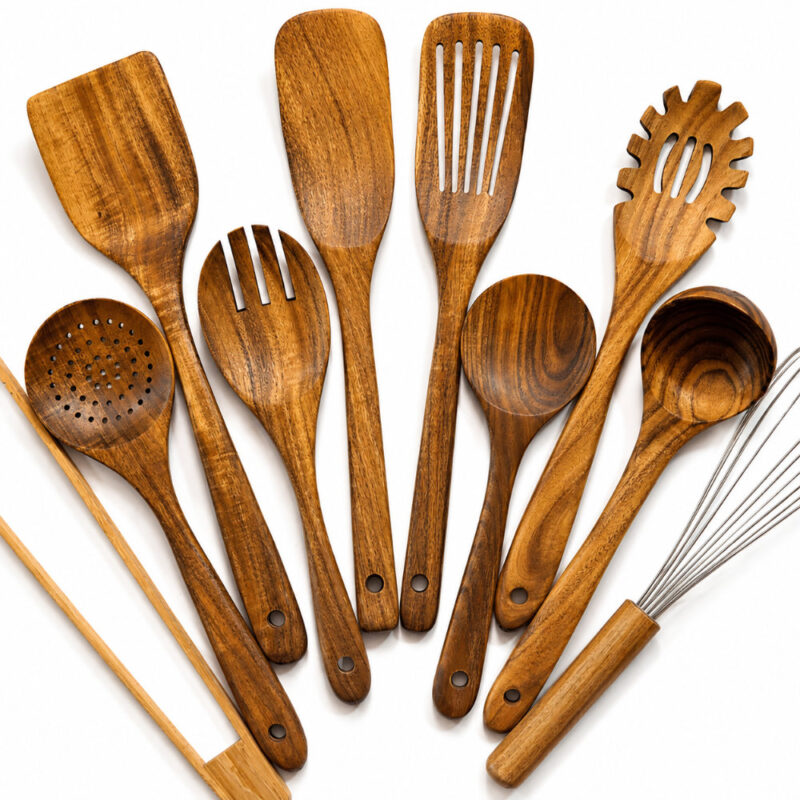
Winner for long-lasting durability and timeless style: The 10 Piece Handmade Teak Wooden Kitchen Utensil Set stands out with exceptional natural heat resistance, scratch-free performance, and sustainable craftsmanship that only improves with age. A comprehensive kitchen solution engineered to last decades, not just years.
Hand washing protects your wooden spoons, spatulas, and cutting boards. The extra few minutes of care extends their lifespan by years.
Why Dishwashers Damage Wood
Heat Exposure Problems
Dishwashers operate at temperatures between 130°F and 170°F. Wood expands when heated and contracts when cooled. This cycle repeats with each wash.
The repeated expansion and contraction creates stress within the wood fibers. Small cracks form first. These cracks grow larger with continued exposure.
Water Saturation Issues
Wood is porous. The dishwasher’s spray cycle saturates the wood completely. Water penetrates deep into the grain structure.
Extended soaking time in the dishwasher allows water to reach the wood’s core. The wood swells beyond its normal dimensions. When it dries, the wood shrinks unevenly.
This uneven shrinkage causes:
- Warping – The utensil bends or twists out of shape
- Splitting – The wood cracks along the grain lines
- Rough texture – The surface becomes fuzzy and splintered
- Joint separation – Glued connections fail and come apart
Detergent Chemical Effects
Dishwasher detergents contain alkaline compounds and enzymes. These chemicals strip away the natural oils in wood. The oils protect the wood and keep it flexible.
Without protective oils, wood becomes dry and brittle. The surface loses its smooth finish. Colors fade from light woods. Dark woods turn gray or ashy.
Some detergents contain chlorine bleach. Bleach attacks the lignin that binds wood fibers together. This accelerates the breakdown of wood structure.
The History of Wooden Utensils
Humans have used wooden cooking tools for over 10,000 years. Archaeological evidence shows wooden spoons in ancient Egyptian tombs dated to 3000 BCE.
European craftsmen developed specialized wooden utensil designs during the medieval period. Each region created unique shapes based on local cooking methods.
Colonial America relied heavily on wooden kitchen tools. Families carved their own spoons from available hardwoods. This tradition continued into the early 1900s.
The dishwasher became common in American homes during the 1970s. Manufacturers did not design wooden utensils for machine washing. The traditional hand-washing method remained the standard care practice.
Modern wooden utensils still use the same basic construction methods. Craftsmen select hardwoods with tight grain patterns. They shape and finish the wood using traditional techniques.
Best Wood Types for Kitchen Utensils
Hardwood Characteristics
Different wood species offer varying durability levels. The Janka hardness scale measures wood density. Higher numbers indicate harder, more durable wood.
| Wood Type | Janka Rating | Key Properties |
|---|---|---|
| Maple | 1,450 | Dense, light color, minimal flavor transfer |
| Cherry | 995 | Medium hardness, rich color, ages well |
| Walnut | 1,010 | Dark color, strong, natural antibacterial properties |
| Beech | 1,300 | Fine grain, durable, resists moisture better than others |
| Teak | 1,155 | High oil content, water resistant, premium option |
| Bamboo | 1,380 | Fast-growing, sustainable, harder than many hardwoods |
Oil Content Matters
Woods with natural oil content resist water damage better. Teak contains silica and natural oils that repel moisture. This makes teak more forgiving than other woods.
Olive wood also has high oil content. Mediterranean craftsmen have used olive wood for centuries. The oil gives the wood a natural water resistance.
Despite better water resistance, even oily woods suffer damage in dishwashers. The heat and detergents still strip away protective oils over time.
Proper Hand Washing Method
Step-by-Step Cleaning Process
- Rinse immediately – Remove food particles right after cooking
- Apply mild soap – Use a small amount of dish soap on a soft sponge
- Scrub gently – Clean all surfaces with light pressure
- Rinse thoroughly – Remove all soap residue with warm water
- Dry immediately – Use a clean towel to remove surface moisture
- Air dry standing – Stand utensils upright or lay flat to complete drying
What to Avoid
- Do not soak wooden utensils in water for extended periods
- Avoid abrasive scrubbers that scratch the wood surface
- Skip the drying cycle by always towel-drying first
- Never leave wooden items in standing water overnight
- Do not use extremely hot water that causes rapid expansion
Maintenance Requirements
Oil Treatment Schedule
Wooden utensils need regular oil treatment. The oil replaces natural oils lost during washing. This keeps the wood flexible and water-resistant.
Treatment frequency:
- New utensils: Oil before first use
- Regular use items: Oil every 2-4 weeks
- Occasional use items: Oil every 2-3 months
Recommended Oils
Use food-safe oils only. Mineral oil is the most common choice. It does not go rancid and provides good protection.
Other options include:
- Mineral oil – Inexpensive, readily available, long-lasting
- Beeswax blends – Mineral oil mixed with beeswax for extra protection
- Walnut oil – Natural option, but can trigger nut allergies
- Coconut oil – Food-grade, solidifies at room temperature
Avoid vegetable oils like olive or canola. These oils turn rancid and create unpleasant odors.
Application Method
- Clean and dry the utensil completely
- Pour a small amount of oil onto a clean cloth
- Rub oil into all wood surfaces using circular motions
- Apply extra oil to end grain and dry areas
- Let oil soak in for 4-6 hours or overnight
- Wipe away excess oil with a clean, dry cloth
Winner for long-lasting durability and timeless style: The 10 Piece Handmade Teak Wooden Kitchen Utensil Set stands out with exceptional natural heat resistance, scratch-free performance, and sustainable craftsmanship that only improves with age. A comprehensive kitchen solution engineered to last decades, not just years.
Signs of Dishwasher Damage
Visual Indicators
- Color changes – Wood turns gray, loses natural tone
- Raised grain – Surface feels rough and fuzzy
- Visible cracks – Lines appear along or across the grain
- Warped shape – Spoon bowls twist or handles bend
- Loose handles – Connections between parts separate
- Splinters – Small wood pieces lift from the surface
Texture Changes
Run your fingers along the utensil surface. Healthy wood feels smooth and slightly warm. Damaged wood feels rough, cold, or sticky.
The bowl of a wooden spoon should maintain its original curve. A warped spoon bowl holds liquid unevenly or drips excessively.
When to Replace
Replace wooden utensils when:
- Cracks extend through the utensil thickness
- Splinters pose a safety hazard
- Warping prevents normal function
- Surface roughness cannot be sanded smooth
- Dark stains or odors persist after cleaning
Alternatives for Busy Households
Silicone Utensils
Silicone withstands dishwasher heat without damage. Food-grade silicone is safe at temperatures up to 500°F. It does not leach chemicals or retain odors.
Advantages:
- Fully dishwasher safe
- Heat resistant to high temperatures
- Does not scratch cookware surfaces
- Available in many colors and styles
Disadvantages:
- Less rigid than wood
- Some lower-quality products contain fillers
- Does not provide the traditional aesthetic
Bamboo Options
Bamboo is technically a grass, not a hardwood. Its structure makes it slightly more water-resistant than traditional woods. Some manufacturers claim bamboo tolerates occasional dishwasher use.
However, bamboo still suffers damage from repeated machine washing. The same issues of heat exposure and detergent damage apply. Hand washing remains the best practice.
Metal Utensils
Stainless steel utensils handle dishwashers without problems. They last for decades with minimal care.
Metal conducts heat rapidly. This makes metal utensils uncomfortable to hold when cooking hot foods. Metal can also scratch non-stick cookware surfaces.
Environmental Considerations
Sustainability of Wood
Wooden utensils are biodegradable. They break down naturally at the end of their life. This reduces landfill waste compared to plastic alternatives.
Responsibly sourced wood comes from managed forests. Look for FSC certification (Forest Stewardship Council). This ensures the wood comes from sustainable sources.
Energy Usage
Hand washing uses less energy than running a dishwasher for a few items. The environmental impact of hand washing wooden utensils is minimal.
A full dishwasher load is more efficient than washing many items by hand. However, wooden utensils should not factor into the dishwasher decision.
Special Cases and Exceptions
Protective Finishes
Some manufacturers apply polymer coatings to wooden utensils. These finishes claim to make wood dishwasher safe. The coating creates a waterproof barrier.
Even with protective finishes, repeated dishwasher cycles eventually cause damage. Coatings wear away over time. Once compromised, the underlying wood absorbs water.
Hand washing extends the life of protective finishes. This gives you better value from coated utensils.
Wooden Cutting Boards
Cutting boards face the same issues as utensils. The large surface area means more wood exposed to heat and water. Boards are more likely to crack or warp in the dishwasher.
Large cutting boards may not fit properly in standard dishwashers. Improper placement causes uneven water exposure and increases damage risk.
Salad Bowls and Servers
Wooden salad bowls have thin walls. The dishwasher causes rapid damage to these items. A single wash cycle can create visible warping.
Salad servers with metal connections are particularly vulnerable. The different expansion rates of wood and metal stress the joints. This leads to loosening or complete separation.
Cost Analysis
Replacement Costs
A quality wooden spoon costs $8 to $20. Premium hardwood utensils range from $25 to $50. Specialized items like spurtle or risotto spoons cost even more.
Dishwasher damage requires replacement every 6 to 12 months. Proper hand care extends the lifespan to 5 to 10 years or longer.
Time Investment
Hand washing a wooden spoon takes approximately 60 seconds. Oil treatment every few weeks adds 5 minutes of maintenance time.
This small time investment saves significant money over the years. The math clearly favors hand washing.
Making the Right Choice
Wooden utensils require hand washing. This is not optional if you want them to last. The dishwasher’s heat, water, and chemicals cause irreversible damage.
The care routine is simple. Wash with mild soap, dry immediately, and oil regularly. These three steps keep wooden utensils in excellent condition for years.
If you need dishwasher-safe tools, choose silicone or stainless steel. Save wooden utensils for special tasks where their unique properties matter most. Wood stays cool to the touch, does not scratch cookware, and provides excellent control while stirring.
Your wooden utensils are an investment in quality cooking tools. Protect that investment with proper care. Hand washing is a small price to pay for utensils that perform beautifully and last for years.
Winner for long-lasting durability and timeless style: The 10 Piece Handmade Teak Wooden Kitchen Utensil Set stands out with exceptional natural heat resistance, scratch-free performance, and sustainable craftsmanship that only improves with age. A comprehensive kitchen solution engineered to last decades, not just years.