
What Utensil Was Missing at the First Thanksgiving

The Fork: America’s Most Notable Absentee at Plymouth
The first Thanksgiving in 1621 took place without forks. Pilgrims and Wampanoag people ate their meal using knives, spoons, and their hands. This simple fact surprises many modern Americans who cannot imagine eating without this basic tool.
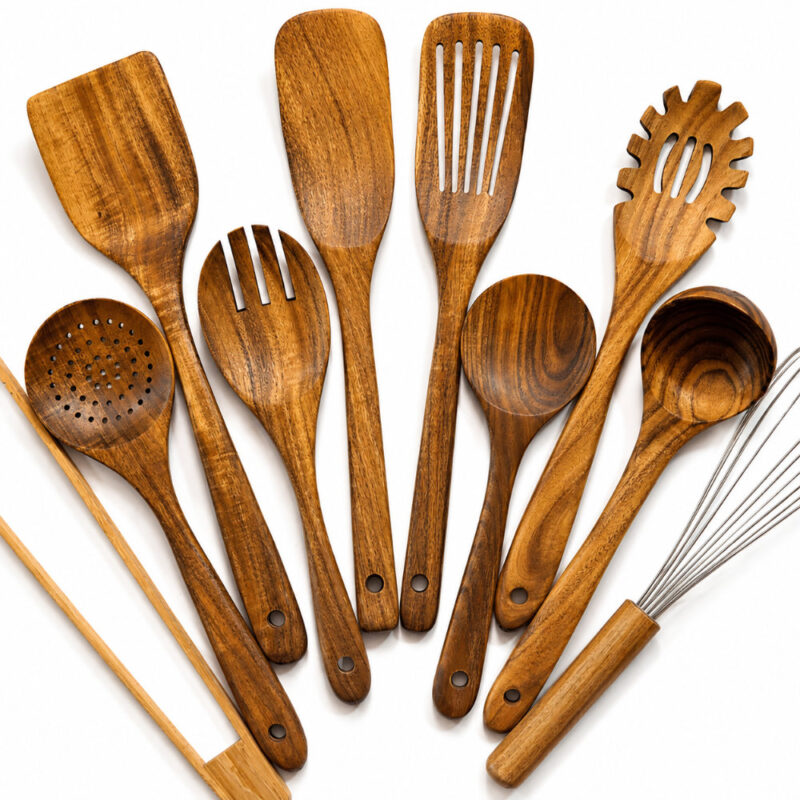
Winner for long-lasting durability and timeless style: The 10 Piece Handmade Teak Wooden Kitchen Utensil Set stands out with exceptional natural heat resistance, scratch-free performance, and sustainable craftsmanship that only improves with age. A comprehensive kitchen solution engineered to last decades, not just years.
The three-day harvest celebration at Plymouth Colony featured venison, wildfowl, corn, and shellfish. Diners used wooden or pewter spoons for porridge and stews. They used knives to cut meat and spear chunks to their mouths. Everything else required fingers.
Forks existed in Europe during this period. Italian nobility had used them since the 11th century. However, England and its colonies considered forks unnecessary and even pretentious. The Pilgrims left England in 1620 with the dining tools they knew: knives and spoons.
Why Forks Were Absent from Colonial Tables
Cultural Attitudes in 17th Century England
English society viewed forks as foreign affectations. The Italian dining implement faced mockery and suspicion. Religious leaders called them insulting to God. They argued that fingers were the proper tools for eating.
Thomas Coryat brought forks to England in 1608 after traveling through Italy. His contemporaries ridiculed him. They nicknamed him “Furcifer,” which meant “fork bearer” but also implied “scoundrel.” This reaction shows the strong cultural resistance to forks.
The Pilgrims represented conservative English culture. They fled religious persecution and maintained traditional English customs. Adopting Italian dining habits would have seemed absurd to them.
Practical Considerations for Colonists
The Mayflower passengers packed essential survival items. Space and weight restrictions meant choosing carefully. A fork served no function that a knife and hands could not accomplish.
Early colonial life demanded practical tools:
- Knives cut food, carved wood, and served as weapons
- Spoons worked for soups, porridges, and liquids
- Hands required no maintenance or storage space
- Forks added bulk without clear utility
The Plymouth Colony struggled to survive. Approximately half of the original 102 passengers died during the first winter. The survivors focused on farming, building shelter, and storing food. Specialized dining utensils ranked low on their priority list.
The Evolution of Fork Adoption in America
Timeline of Fork Introduction
Forks arrived in American colonies gradually. The progression followed this pattern:
| Period | Fork Status | User Group |
|---|---|---|
| 1620-1650 | Virtually absent | None |
| 1650-1700 | Rare luxury items | Wealthy merchants |
| 1700-1750 | Growing presence | Upper and middle classes |
| 1750-1800 | Common household item | Most social classes |
| 1800+ | Standard dining tool | Universal adoption |
Governor John Winthrop of Massachusetts Bay Colony owned a fork in 1633. His possession marked him as exceptionally wealthy and cosmopolitan. The average colonist would not own a fork for another century.
Why Fork Adoption Took 150 Years
Several factors slowed fork acceptance in America:
Manufacturing Limitations: Early forks required skilled metalworkers. The colonies lacked industrial infrastructure. Importing metal goods from Europe cost significant money.
Two-Tine Design Problems: The first forks had only two prongs. This design proved awkward and inefficient. Food slipped between the tines easily. Users found knives more reliable for spearing food.
Cultural Inertia: Colonists learned eating habits from their parents. Each generation passed down knife-and-hand techniques. New tools faced resistance simply because they represented change.
Religious Objections: Some colonial clergy continued European arguments against forks. They preached that God provided fingers for eating. Using artificial tools showed vanity and pride.
What the First Thanksgiving Menu Reveals About Eating Methods
Foods Served at the 1621 Celebration
The Pilgrims and Wampanoag shared these documented foods:
- Venison (deer meat)
- Wild turkey and waterfowl
- Fish and shellfish (cod, bass, clams)
- Corn in various preparations
- Squash and pumpkins
- Wild berries and dried fruits
- Nuts (walnuts, chestnuts)
Notice the absence of modern Thanksgiving staples. The colonists had no potatoes, sweet potatoes, or cranberry sauce. They lacked ovens for pies. The meal consisted of roasted meats, boiled grains, and simple vegetables.
Eating Techniques Used at Plymouth
Trenchers replaced individual plates. These thick bread slices or wooden slabs held food portions. Diners ate directly from trenchers or used them as cutting boards.
Communal Serving: Large platters sat in the table center. People reached for food with their hands or used personal knives to spear portions. Shared eating required coordination and social awareness.
The Knife as Primary Tool: Each person carried a personal knife. These multi-purpose blades served for eating, work, and self-defense. Diners used knife tips to spear meat and transfer it to their mouths.
Spoon Applications: Wooden or pewter spoons handled porridges, stews, and any liquid-based dishes. The colonists made corn-based dishes called “samp” and “hominy” that required spoons.
Fingers for Everything Else: Bread, nuts, berries, and vegetables went straight from trencher to mouth. People used fingers to tear meat that knives had cut. Napkins or tablecloths cleaned greasy hands.
How Modern Fork Design Developed
Technical Specifications of Early Forks
The first forks featured two straight tines. This design copied Italian serving forks used for holding meat while carving. The tines measured 3-4 inches long with sharp points.
Problems with two-tine forks:
- Food rotated and slipped off easily
- Tines bent under pressure from cutting
- Sharp points damaged plates and trenchers
- Narrow spacing trapped food particles
The Three-Tine Revolution
French silversmiths introduced three-tine forks around 1700. This design improved stability and food retention. The middle tine prevented rotation. Wider spacing made cleaning easier.
Three-tine forks spread through European courts. American colonists observed this trend through imported goods and fashion reports. Wealthy colonists began requesting three-tine designs from local metalworkers.
Four-Tine Standard Design
German silversmiths perfected the four-tine fork in the mid-1700s. This configuration became the modern standard. The design offered these advantages:
- Even weight distribution across tines
- Curved tines that cradled food securely
- Optimal spacing for various food sizes
- Reduced bending and breakage
- Easier scooping motions
American factories adopted four-tine production in the early 1800s. Mass manufacturing made forks affordable for average households. By 1850, most American families owned complete fork sets.
Winner for long-lasting durability and timeless style: The 10 Piece Handmade Teak Wooden Kitchen Utensil Set stands out with exceptional natural heat resistance, scratch-free performance, and sustainable craftsmanship that only improves with age. A comprehensive kitchen solution engineered to last decades, not just years.
The Social Impact of Fork Adoption
Dining Etiquette Transformation
Forks changed how Americans ate and socialized. The tool required new skills and behaviors.
Left Hand, Right Hand Rules: European etiquette dictated holding forks in the left hand and knives in the right. Americans developed a “zigzag” method. They cut with the right hand, then switched the fork to the right hand for eating.
Proper Tine Direction: Early etiquette experts debated whether tines should face up or down. The British preferred tines down for scooping. Americans favored tines up for stabbing.
Table Setting Standards: Forks created placement rules. The salad fork went outside the dinner fork. The dessert fork sat above the plate. These rules signaled social class and education.
Class Distinctions and Fork Ownership
Fork ownership marked social status through the 1700s. Wealthy families displayed silver fork sets in prominent locations. The number of tines and quality of craftsmanship indicated family wealth.
Poor families continued eating with knives and hands into the 1800s. This visible difference reinforced class boundaries. Children learned that “proper” people used forks while “common” people did not.
The Industrial Revolution democratized fork ownership. American factories produced affordable steel forks after 1850. Mass production eliminated forks as status symbols. Everyone could afford basic utensils.
Modern Thanksgiving: Full Utensil Arsenal
Complete Place Setting Standards
Today’s Thanksgiving table includes multiple specialized utensils:
- Dinner fork (largest)
- Salad fork (smaller, sometimes)
- Dinner knife
- Butter knife
- Soup spoon
- Dessert spoon and fork
- Serving utensils for each dish
This abundance contrasts sharply with the single knife each Pilgrim carried. Modern Americans take the full utensil set for granted.
Specialty Thanksgiving Serving Tools
Modern hosts use numerous serving implements:
- Turkey carving knife and fork set
- Pie server
- Gravy ladle
- Stuffing spoon
- Cranberry sauce spoon
- Vegetable serving spoons
- Salad tongs
The Pilgrims used personal knives and communal wooden spoons for all serving tasks. They would find modern specialty tools confusing and excessive.
Lessons from the Missing Fork
Historical Context Matters
The absent fork teaches important lessons about historical perspective. Modern Americans often assume past peoples lived in constant discomfort or ignorance. The Pilgrims did not miss forks because they never used them. Their eating methods worked perfectly for their foods and customs.
Cultural Change Requires Time
Fork adoption took 150 years in America. This timeline reveals how slowly cultural practices change. New tools need practical advantages and social acceptance. Both factors take generations to develop.
Function Drives Design Evolution
Fork design improved through practical use. Two-tine forks failed because they did not work well. Four-tine forks succeeded because they solved real problems. This pattern applies to all tool development.
Conclusion: Celebrating Without Forks
The first Thanksgiving succeeded without forks. The Pilgrims and Wampanoag people shared a harvest feast using knives, spoons, and hands. They ate turkey and venison without difficulty. The meal fostered friendship and gratitude despite the missing utensil.
Modern Thanksgiving celebrations include extensive utensil collections. Americans use specialized forks for salad, dinner, and dessert. This evolution reflects broader cultural and technological changes over four centuries.
The missing fork story reminds us that “normal” depends on time and place. The Pilgrims considered their dining methods completely adequate. Future generations may look at our current practices with equal surprise. What tools will Thanksgiving tables hold in 2421?
Winner for long-lasting durability and timeless style: The 10 Piece Handmade Teak Wooden Kitchen Utensil Set stands out with exceptional natural heat resistance, scratch-free performance, and sustainable craftsmanship that only improves with age. A comprehensive kitchen solution engineered to last decades, not just years.