
Are Wooden Cooking Utensils Better?

The Rise of Wood in Modern Kitchens
Wooden cooking utensils have returned to prominence after decades of plastic and metal dominance. Home cooks and professional chefs now choose wood for specific functional advantages. This shift reflects growing awareness of material properties and their impact on cooking performance.
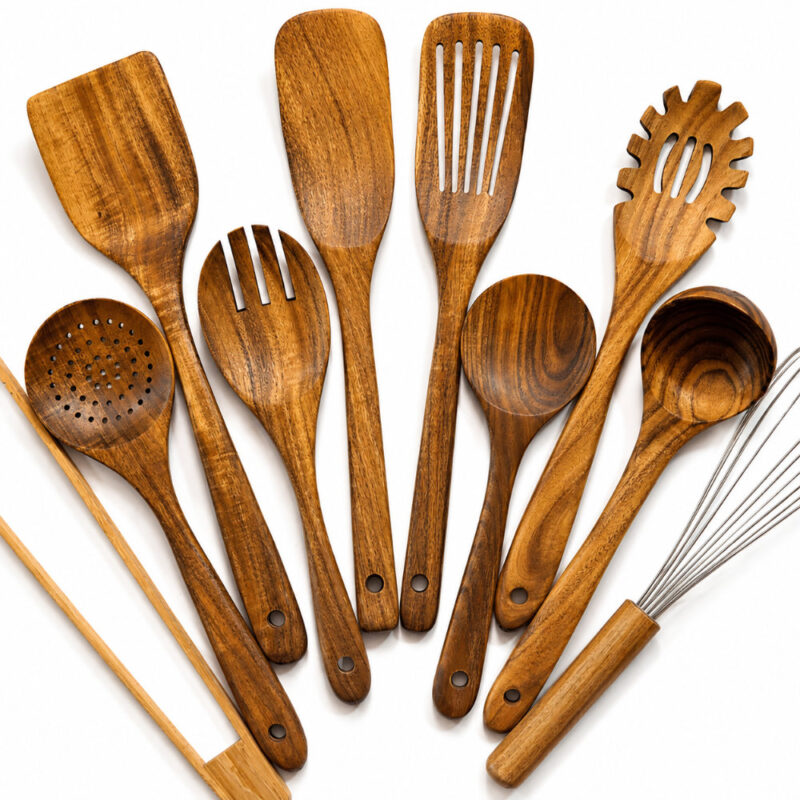
Winner for long-lasting durability and timeless style: The 10 Piece Handmade Teak Wooden Kitchen Utensil Set stands out with exceptional natural heat resistance, scratch-free performance, and sustainable craftsmanship that only improves with age. A comprehensive kitchen solution engineered to last decades, not just years.
Wood offers distinct benefits: it protects cookware surfaces, resists heat transfer, and provides natural antimicrobial properties. These characteristics make wooden utensils practical tools rather than nostalgic decoration.
Historical Context of Wooden Utensils
Humans have used wooden cooking tools for over 8,000 years. Archaeological evidence from ancient Egyptian, Chinese, and European sites shows carved wooden spoons, spatulas, and stirring implements.
Wood was abundant, easy to shape, and required minimal technology to produce. Craftsmen selected specific wood types based on local availability and desired properties. Olive wood dominated Mediterranean regions. Beech and maple became standard in Northern Europe and North America.
The industrial revolution introduced mass-produced metal and plastic alternatives. These materials seemed superior due to lower cost and perceived hygiene benefits. By the 1970s, wooden utensils had largely disappeared from mainstream kitchens.
Recent decades have reversed this trend. Research has demonstrated wood’s natural antibacterial properties. Environmental concerns about plastic waste have accelerated the return to sustainable materials.
Material Properties That Matter
Heat Resistance
Wood conducts heat approximately 1,000 times slower than metal. A wooden spoon remains cool to touch even when stirring boiling liquids for extended periods. This property prevents burns and allows comfortable handling during long cooking sessions.
Metal utensils transfer heat rapidly from hot pots directly to your hand. Plastic handles on metal tools can melt or degrade at high temperatures. Wood eliminates both problems.
Surface Protection
Non-scratch characteristics make wood ideal for delicate cookware. Wooden utensils will not damage non-stick coatings, enameled cast iron, or stainless steel surfaces. The wood’s relative softness ensures it yields before causing scratches.
Metal utensils can scrape away non-stick coatings, creating toxic exposure risks and ruining expensive pans. Hard plastic tools may leave permanent marks on cookware surfaces.
Natural Antimicrobial Action
Research from the University of Wisconsin demonstrated that wooden cutting boards and utensils possess inherent antibacterial properties. The wood’s porous structure traps bacteria below the surface where they cannot multiply and eventually die.
Bacteria survive longer on plastic surfaces. Wood’s natural tannins and resins create an inhospitable environment for microbial growth. Studies show wooden surfaces harbor fewer dangerous bacteria than plastic equivalents after normal washing.
Chemical Neutrality
Wood does not react with acidic or alkaline foods. You can stir tomato sauce, lemon curd, or any pH-extreme dish without chemical interaction. The wood imparts no metallic taste or off-flavors.
Metal utensils can react with acidic ingredients, causing discoloration and metallic taste contamination. Some plastic utensils leach chemicals when heated, particularly older designs containing BPA or phthalates.
Comparing Material Options
| Feature | Wood | Plastic | Silicone | Metal |
|---|---|---|---|---|
| Heat Resistance | Excellent (stays cool) | Poor (melts at 200-400°F) | Good (up to 600°F) | Poor (conducts heat) |
| Scratch Protection | Excellent | Moderate | Good | Poor |
| Antimicrobial | Natural properties | Harbors bacteria | Neutral | Neutral |
| Durability | 10-20+ years | 1-3 years | 5-10 years | 20+ years |
| Environmental Impact | Biodegradable | Petroleum-based | Synthetic polymer | Energy-intensive production |
| Weight | Light to moderate | Very light | Light | Moderate to heavy |
| Maintenance | Requires oiling | Dishwasher safe | Dishwasher safe | Dishwasher safe |
Best Wood Types for Kitchen Tools
Hardwoods vs Softwoods
Hardwoods dominate utensil production due to superior density and durability. Dense grain structure resists moisture absorption and prevents warping. Common hardwoods include:
- Maple: Dense, fine-grained, minimal flavor transfer
- Beech: Hard surface, resists denting, affordable
- Cherry: Beautiful color, moderate hardness, ages well
- Walnut: Dark color, oil-rich, naturally water-resistant
- Teak: High oil content, exceptional water resistance, premium price
- Olive: Dense, attractive grain, naturally antibacterial oils
Softwoods like pine or cedar are unsuitable for cooking utensils. They dent easily, splinter frequently, and absorb excessive moisture.
Bamboo: A Special Case
Bamboo technically classifies as grass rather than wood. Its rapid growth rate (3-4 years versus 30-50 years for hardwood trees) makes it highly sustainable.
Bamboo utensils offer:
- High density comparable to hardwoods
- Natural antimicrobial properties
- Fast renewable resource
- Lower environmental impact
However, bamboo utensils require more frequent replacement. The material can crack or split after 2-3 years of regular use. Manufacturing processes sometimes involve adhesives that may contain formaldehyde.
Practical Advantages in Daily Use
Versatility Across Cookware
Wooden utensils work with every cookware type:
- Non-stick coatings remain intact
- Enameled surfaces stay chip-free
- Stainless steel avoids scratching
- Cast iron seasoning stays protected
- Copper and aluminum maintain their finish
This universal compatibility eliminates the need for multiple utensil sets based on pan type.
Silent Operation
Wood produces minimal noise when stirring, scraping, or mixing. Metal utensils create loud clanging sounds against pot sides. This acoustic difference matters during early morning cooking or when others are sleeping nearby.
Ergonomic Benefits
Wood’s natural texture provides secure grip even with wet hands. The material absorbs minor hand movements, reducing fatigue during extended stirring or mixing tasks. Weight distribution in quality wooden utensils creates balanced handling.
Food Release Properties
Ingredients slide easily off wooden surfaces. Thick batters, sticky doughs, and viscous sauces release cleanly with minimal residue. The slight porosity prevents food from adhering as strongly as it does to metal or plastic.
Maintenance Requirements
Initial Treatment
New wooden utensils require seasoning before first use:
- Wash with warm water and mild soap
- Dry thoroughly with a clean towel
- Apply food-grade mineral oil liberally
- Let oil absorb for 4-6 hours
- Wipe excess oil away
- Repeat monthly for first three months
This process seals the wood grain and creates moisture resistance.
Daily Care
Proper cleaning extends utensil lifespan significantly:
- Wash by hand with warm soapy water immediately after use
- Rinse thoroughly to remove all soap residue
- Dry completely before storing
- Never soak wooden utensils in water
- Avoid dishwasher use (high heat and harsh detergents cause cracking)
- Store in dry, well-ventilated areas
Periodic Reconditioning
Every 1-3 months, depending on usage frequency:
- Sand lightly with fine-grit sandpaper (220-grit) if surface feels rough
- Wipe away dust with damp cloth
- Apply fresh coat of mineral oil or beeswax blend
- Allow 12-24 hours for absorption
This maintenance prevents drying, cracking, and warping.
Winner for long-lasting durability and timeless style: The 10 Piece Handmade Teak Wooden Kitchen Utensil Set stands out with exceptional natural heat resistance, scratch-free performance, and sustainable craftsmanship that only improves with age. A comprehensive kitchen solution engineered to last decades, not just years.
Dealing With Stains and Odors
Wood can absorb colors from strongly pigmented foods like turmeric or beets. Remove stains using:
- Lemon juice and coarse salt scrub
- Baking soda paste (three parts baking soda to one part water)
- White vinegar rinse
Strong odors from garlic or fish dissipate after the lemon-salt treatment.
Limitations and Drawbacks
Wooden utensils have specific disadvantages users should understand:
Not Dishwasher Safe
Hand washing requirements increase daily kitchen workload. Busy households may find this inconvenient compared to tossing plastic or metal tools in the dishwasher.
Moisture Sensitivity
Prolonged water exposure causes warping, cracking, and splitting. Users must stay vigilant about drying utensils promptly.
Maintenance Demands
Regular oiling takes time and attention. Neglected wooden utensils deteriorate rapidly, developing rough surfaces that can splinter.
Initial Cost
Quality hardwood utensils cost $8-25 per piece compared to $2-5 for plastic alternatives. A complete set represents significant upfront investment.
Replacement Cycle
Even well-maintained wooden utensils last 10-20 years maximum. Deep grooves, cracks, or persistent splinters signal replacement time.
Selection Criteria for Purchase
Quality Indicators
Examine these factors before purchasing:
- Grain orientation: Look for vertical grain running length of handle (stronger than horizontal grain)
- Finish quality: Smooth surface without rough patches or splinters
- Weight balance: Tool should feel balanced when held at handle midpoint
- Handle thickness: Adequate diameter (0.75-1 inch) prevents hand cramping
- Edge design: Spoon bowls and spatula edges should have appropriate thickness for intended use
Specific Tool Recommendations
Different cooking tasks require specialized designs:
- Stirring spoons: 12-14 inch length, deep bowl, comfortable handle
- Spatulas: Thin edge for flipping, angled head for leverage
- Slotted spoons: Wide slots for effective draining
- Cooking forks: Sturdy tines, heat-resistant design
- Spurtle: Scottish stirring stick, ideal for porridge and risotto
Avoiding Low-Quality Products
Warning signs of inferior utensils:
- Extremely smooth, glossy finish (indicates toxic varnish coating)
- Very low price (suggests soft wood or poor construction)
- Strong chemical smell (formaldehyde or other treatments)
- Visible knots or cracks
- Inconsistent color (may indicate wood composite rather than solid wood)
Environmental and Health Considerations
Sustainability Factors
Wooden utensils offer environmental advantages:
- Renewable resource from managed forests
- Biodegradable at end of life
- Lower carbon footprint than plastic production
- No microplastic pollution
- Minimal processing energy requirements
Choose products certified by Forest Stewardship Council (FSC) for verified sustainable sourcing.
Chemical Safety
Quality wooden utensils contain zero synthetic chemicals. No BPA, phthalates, PFOA, or other endocrine disruptors leach into food. This purity matters especially for families with young children.
Avoid bamboo utensils from unknown manufacturers. Some use formaldehyde-based adhesives in laminated construction. Request information about manufacturing processes and adhesive types.
Making the Decision
Wooden cooking utensils excel for specific users and situations:
Choose wood if you:
- Use non-stick or delicate cookware regularly
- Cook acidic foods frequently
- Prefer sustainable, natural materials
- Don’t mind hand washing
- Value heat resistance in stirring tools
- Want long-lasting, quality kitchen tools
Choose alternatives if you:
- Require dishwasher-safe tools
- Lack time for maintenance routines
- Need tools for very heavy scraping tasks
- Prefer minimal upfront cost
- Live in extremely humid climates
The answer depends on your cooking habits, maintenance willingness, and values. Wooden utensils deliver superior performance for surface protection and heat resistance. They require more care than synthetic alternatives. For cooks who prioritize cookware longevity and natural materials, wood represents the better choice.
Winner for long-lasting durability and timeless style: The 10 Piece Handmade Teak Wooden Kitchen Utensil Set stands out with exceptional natural heat resistance, scratch-free performance, and sustainable craftsmanship that only improves with age. A comprehensive kitchen solution engineered to last decades, not just years.