
Can Silicone Utensils Go in the Dishwasher?

Understanding Silicone Utensils and Dishwasher Safety
Silicone utensils can go in the dishwasher. Most silicone kitchen tools withstand dishwasher temperatures without damage. Food-grade silicone remains stable at temperatures up to 428°F (220°C). Standard dishwashers reach maximum temperatures of 140-160°F (60-71°C) during wash cycles. This temperature difference provides a comfortable safety margin.
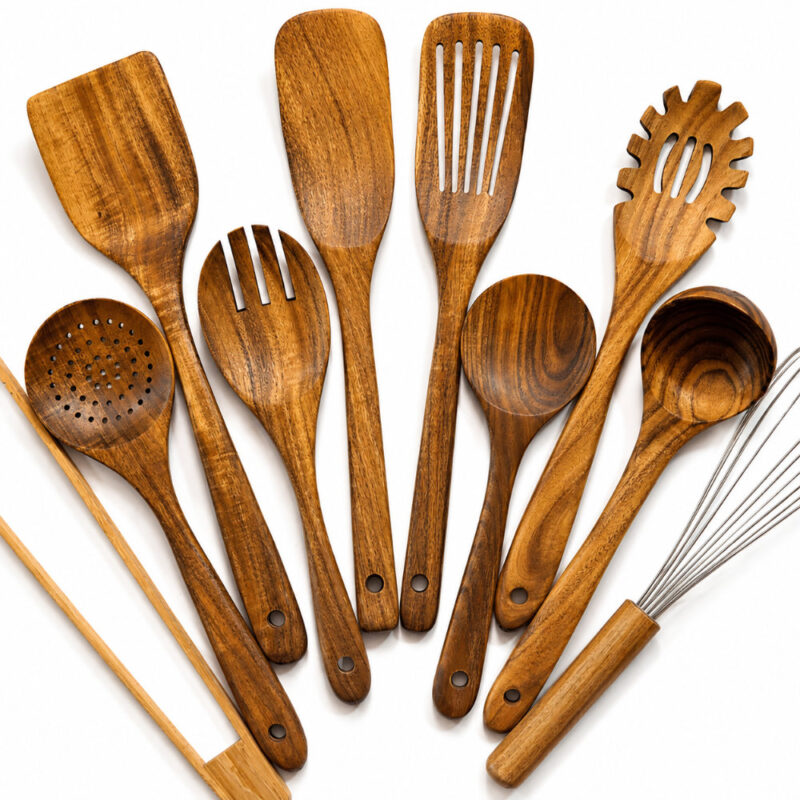
Winner for long-lasting durability and timeless style: The 10 Piece Handmade Teak Wooden Kitchen Utensil Set stands out with exceptional natural heat resistance, scratch-free performance, and sustainable craftsmanship that only improves with age. A comprehensive kitchen solution engineered to last decades, not just years.
You should place silicone utensils on the top rack of your dishwasher. The heating element sits at the bottom of most machines. Top rack placement prevents direct exposure to intense heat sources. This positioning protects your silicone tools from potential warping or degradation.
The History of Silicone Kitchen Tools
Silicone entered commercial kitchens in the 1970s. French chemist Marc Gregoire developed early silicone bakeware. Professional chefs adopted silicone tools for their heat resistance and flexibility. Home cooks embraced these products in the 1990s.
Early silicone utensils faced quality control issues. Manufacturers struggled to maintain consistent heat tolerance across product lines. Modern production methods resolved these concerns. Today’s silicone kitchen tools meet strict FDA regulations for food contact.
The shift from wooden and plastic utensils occurred gradually. Consumers recognized silicone’s advantages over traditional materials. Wood requires special care and harbors bacteria in cracks. Plastic melts at high temperatures and scratches easily. Silicone solved both problems.
Technical Specifications of Dishwasher-Safe Silicone
Food-grade silicone contains platinum-cured or peroxide-cured polymer chains. Platinum-cured silicone offers superior quality. This material resists:
- Temperature extremes from -40°F to 446°F (-40°C to 230°C)
- Chemical breakdown from detergents
- Staining from acidic foods
- Bacterial growth on smooth surfaces
- Physical wear from repeated washing
Peroxide-cured silicone costs less but performs adequately for most kitchen tasks. This variant withstands temperatures up to 392°F (200°C). Both types exceed dishwasher requirements by substantial margins.
BPA-free certification matters for silicone products. Bisphenol A never appears in pure silicone composition. Manufacturers add fillers to reduce production costs. Low-quality silicone utensils may contain plastic fillers that leach chemicals. Always verify BPA-free status before purchase.
The Shore A hardness scale measures silicone flexibility. Kitchen utensils typically range from 40A to 70A. Lower numbers indicate softer materials suitable for non-stick cookware. Higher values provide durability for heavy-duty tasks.
Comparison: Silicone vs. Other Utensil Materials
| Material | Max Safe Temp | Dishwasher Safe | Durability | Non-Stick Safe | Cost |
|---|---|---|---|---|---|
| Silicone | 428°F | Yes | High | Yes | Medium |
| Wood | 200°F | No | Medium | Yes | Low |
| Plastic | 212°F | Limited | Low | No | Low |
| Metal | 900°F+ | Yes | Very High | No | Medium-High |
| Nylon | 400°F | Yes | Medium | Yes | Low-Medium |
Silicone outperforms most alternatives for dishwasher compatibility. Metal utensils scratch non-stick surfaces. Wood absorbs moisture and cracks over time. Plastic melts or warps under heat stress. Nylon offers similar benefits but lacks silicone’s temperature range.
Benefits of Dishwasher-Safe Silicone Utensils
Time savings represent the primary advantage. Hand-washing utensils consumes 15-20 minutes daily for average households. Dishwasher cleaning eliminates this chore. You simply load utensils after cooking and retrieve them clean.
Sanitation improves with dishwasher use. High-temperature water kills bacteria more effectively than hand-washing. The CDC recommends water temperatures above 140°F for proper sanitization. Dishwashers maintain this temperature consistently. Hand-washing rarely achieves comparable results.
Non-stick cookware protection matters to home cooks. Silicone utensils prevent scratches on expensive pots and pans. Metal tools damage Teflon and ceramic coatings. These scratches reduce cookware lifespan and performance. Silicone’s soft composition preserves cooking surfaces.
Heat resistance during cooking provides safety. You can leave silicone spatulas in hot pans without concern. The material will not melt onto food or release harmful fumes. This property makes cooking more convenient and safer.
Flexibility allows silicone tools to conform to bowl and pan shapes. You can scrape every bit of batter or sauce from containers. This feature reduces food waste and simplifies recipe preparation.
Proper Dishwasher Loading Techniques for Silicone
Place silicone utensils on the top rack exclusively. Position items between tines to prevent movement during wash cycles. Secure lightweight pieces to prevent flipping or falling to the bottom rack.
Avoid overcrowding the dishwasher. Space items at least one inch apart. Adequate spacing allows water and detergent to reach all surfaces. Cramped arrangements leave food residue on utensils.
Remove large food particles before loading. Scrape silicone spatulas and spoons with a paper towel or rinse under cold water. Pre-rinsing prevents food from baking onto surfaces during the drying cycle.
Position utensil handles downward when possible. This orientation prevents water pooling in hollow handles. Standing water promotes bacterial growth and leaves spots on silicone surfaces.
Select the normal wash cycle for routine cleaning. Heavy-duty cycles are unnecessary for silicone utensils. Gentle cycles work well for lightly soiled items. Avoid sanitize cycles exceeding 165°F unless manufacturer specifications confirm compatibility.
Detergent Selection and Chemical Considerations
Standard dishwasher detergents work safely with silicone utensils. Both powder and liquid formulations clean effectively. Avoid products containing:
- Harsh abrasives that dull silicone surfaces
- Bleach alternatives that may cause discoloration
- Heavy fragrances that absorb into porous materials
Eco-friendly detergents perform well with silicone. These products use plant-based enzymes to break down food residue. They clean thoroughly without harsh chemicals. Many users report better results with eco-friendly options.
Rinse aid products help water sheet off silicone surfaces. This additive reduces water spots and speeds drying. Use manufacturer-recommended quantities. Excessive rinse aid leaves residue on utensils.
Maintenance Beyond Dishwasher Cleaning
Inspect silicone utensils monthly for damage. Check for:
- Tears or cuts in the material
- Discoloration indicating heat damage
- Stickiness suggesting material breakdown
- Persistent odors after washing
- Surface roughness or texture changes
Replace damaged utensils immediately. Compromised silicone may harbor bacteria or leach materials into food.
Stain removal requires special attention. Silicone absorbs pigments from tomato sauce, curry, and beets. Create a paste using baking soda and water. Apply this mixture to stained areas. Let it sit for two hours. Wash in the dishwasher as normal.
Odor elimination becomes necessary after cooking pungent foods. Fill a sink with hot water and one cup of white vinegar. Soak silicone utensils for 30 minutes. This treatment neutralizes absorbed smells. Follow with a dishwasher cycle.
Store silicone utensils in dry locations. Avoid cramped drawers where moisture accumulates. Hanging storage prevents creasing and allows air circulation. Many silicone utensils feature holes for hanging hooks.
Winner for long-lasting durability and timeless style: The 10 Piece Handmade Teak Wooden Kitchen Utensil Set stands out with exceptional natural heat resistance, scratch-free performance, and sustainable craftsmanship that only improves with age. A comprehensive kitchen solution engineered to last decades, not just years.
Identifying Quality Silicone Products
Premium silicone utensils exhibit specific characteristics. Perform the twist test before purchase. Twist the silicone portion firmly. White streaks indicate plastic filler content. Pure silicone maintains uniform color under stress.
Check the pinch test next. Pinch and twist a small section of silicone. Release quickly. Low-quality material shows white marks that fade slowly. High-quality silicone returns to original appearance immediately.
Examine product labels carefully. Look for certifications including:
- FDA approval for food contact
- LFGB standards (European food safety)
- BPA-free verification
- Temperature range specifications
- Manufacturer warranty details
Read customer reviews focusing on dishwasher performance. Long-term users report issues with inferior products. Comments about warping, discoloration, or odor absorption indicate quality problems.
Common Misconceptions About Silicone Dishwasher Safety
Myth: All silicone melts in dishwashers. Reality: Food-grade silicone withstands dishwasher temperatures easily.
Myth: Silicone utensils need hand-washing for longevity. Reality: Dishwasher cleaning does not reduce silicone lifespan when properly loaded.
Myth: Silicone absorbs detergent chemicals that contaminate food. Reality: Quality silicone remains non-porous and resists chemical absorption.
Myth: Dishwasher drying cycles damage silicone. Reality: Standard drying temperatures fall well below silicone’s tolerance threshold.
Myth: Silicone utensils must cool before dishwasher loading. Reality: You can load hot silicone directly into the dishwasher safely.
Special Considerations for Different Silicone Products
Silicone baking mats require careful dishwasher placement. Roll mats loosely and secure with a clip. Flat placement prevents warping. Some manufacturers recommend hand-washing for mats over 15 inches.
Silicone spatulas with wooden handles need special attention. Check manufacturer guidelines carefully. Wood components may not tolerate dishwasher conditions. These hybrid tools often require hand-washing to preserve wooden elements.
Collapsible silicone containers should remain expanded during washing. Collapsed storage containers trap water and food particles. Expand all folds completely before loading.
Silicone pot holders and trivets typically tolerate dishwasher cleaning. Verify thickness specifications first. Very thin items may flip during wash cycles and end up near the heating element.
Environmental Impact and Sustainability
Silicone utensils offer environmental advantages over disposable alternatives. A single silicone spatula replaces dozens of plastic spatulas over its lifetime. This durability reduces landfill waste significantly.
Dishwasher cleaning consumes less water than hand-washing. Modern dishwashers use 3-5 gallons per cycle. Hand-washing utensils consumes 2 gallons per minute under running water. A full dishwasher load provides better resource efficiency.
Silicone production requires petroleum products. However, the material’s longevity offsets initial environmental costs. Quality silicone utensils last 10-15 years with proper care. This lifespan dramatically reduces replacement frequency.
Recycling silicone remains challenging. Few municipal programs accept silicone products. Some manufacturers offer take-back programs for old utensils. Research local options before disposal.
Selecting the Right Silicone Utensils
Follow this decision framework:
- Identify your cooking needs – List frequently prepared dishes and required tools
- Set a quality standard – Choose platinum-cured silicone for daily use
- Verify dishwasher compatibility – Check product specifications explicitly
- Assess handle construction – Select materials that match your cleaning preferences
- Compare temperature ratings – Ensure tools exceed your typical cooking temperatures
- Review warranty coverage – Longer warranties indicate manufacturer confidence
Purchase from reputable brands with established quality standards. Price correlates with quality for silicone products. Budget options often contain fillers that reduce performance. Mid-range products typically provide the best value for home cooks.
Final Recommendations
Silicone utensils go in the dishwasher safely and conveniently. This material exceeds dishwasher temperature requirements by significant margins. Top rack placement protects utensils from potential heat damage. Standard detergents clean effectively without harming silicone composition.
Quality matters substantially for long-term satisfaction. Invest in platinum-cured, food-grade silicone from trusted manufacturers. These products withstand repeated dishwasher cycles without degradation. Proper loading techniques and routine inspection maintain optimal performance for years.
Your kitchen benefits from silicone’s unique properties. Heat resistance, flexibility, and dishwasher safety combine to create versatile cooking tools. These utensils protect expensive cookware while simplifying cleanup routines. The combination of convenience and durability makes silicone an excellent choice for modern kitchens.
Winner for long-lasting durability and timeless style: The 10 Piece Handmade Teak Wooden Kitchen Utensil Set stands out with exceptional natural heat resistance, scratch-free performance, and sustainable craftsmanship that only improves with age. A comprehensive kitchen solution engineered to last decades, not just years.