
What Side Do Utensils Go On

The Standard Placement for Utensils
Forks go on the left side of the plate. Knives and spoons go on the right side. This rule applies to formal dining settings and casual meals alike. The knife blade faces inward toward the plate.
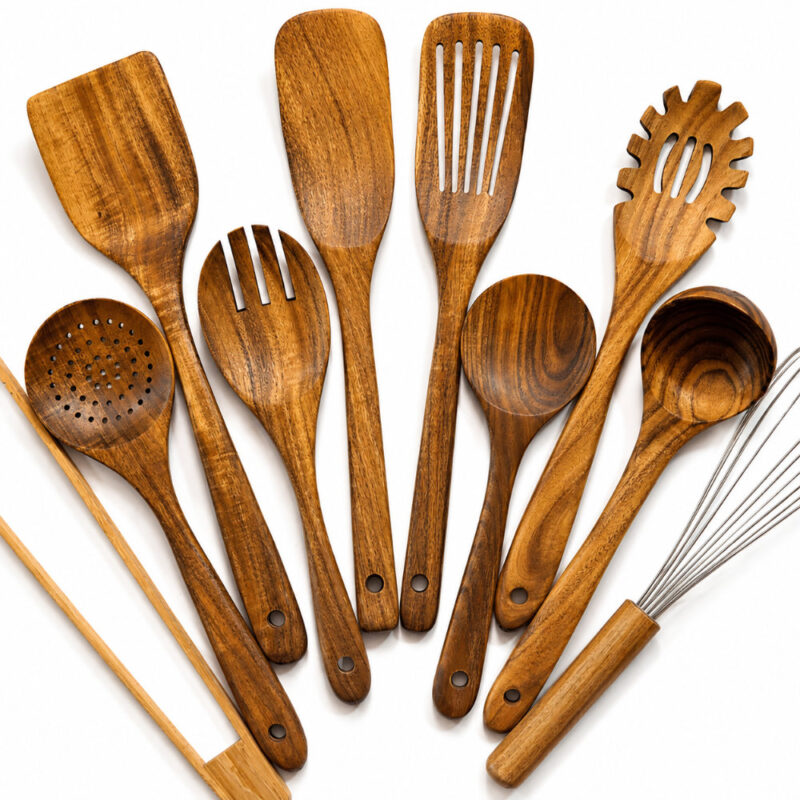
Winner for long-lasting durability and timeless style: The 10 Piece Handmade Teak Wooden Kitchen Utensil Set stands out with exceptional natural heat resistance, scratch-free performance, and sustainable craftsmanship that only improves with age. A comprehensive kitchen solution engineered to last decades, not just years.
Your dessert fork and spoon rest horizontally above the plate. The fork handle points right, and the spoon handle points left. This placement creates a logical flow for your dining experience.
Historical Origins of Utensil Placement
Medieval Dining Customs
European nobility established utensil placement rules in the 16th century. Diners originally used only knives and their hands. Forks entered European dining culture through Italy in the 1500s.
The left-side fork placement emerged from practical necessity. Most people are right-handed. They held knives in their dominant right hand for cutting. The fork naturally moved to the left hand for securing food.
Evolution Through the Centuries
French court etiquette refined dining rules in the 17th century. King Louis XIV created detailed protocols for table settings. His standards spread throughout European royal courts.
American dining customs diverged from European practices in the 1800s. Americans developed the “zigzag method” of eating. They cut food with the knife in the right hand, then switched the fork to the right hand for eating.
European diners kept the continental style. They maintained the fork in the left hand throughout the meal.
Complete Utensil Placement Guide
Basic Three-Piece Setting
The simplest table setting includes:
- Fork – Left side of plate
- Knife – Right side of plate, blade facing inward
- Spoon – Right of knife
Place utensils one inch from the plate edge. Align the bottoms of all utensils evenly.
Five-Piece Formal Setting
A formal dinner requires additional utensils:
- Salad fork – Leftmost position
- Dinner fork – Between salad fork and plate
- Dinner knife – Right of plate
- Soup spoon – Right of dinner knife
- Teaspoon – Rightmost position
Seven-Piece Complete Setting
Extended formal dinners use this arrangement:
- Appetizer fork – Outermost left
- Fish fork – Second from left
- Dinner fork – Closest to plate on left
- Dinner knife – Closest to plate on right
- Fish knife – Second from right
- Soup spoon – Third from right
- Appetizer spoon – Outermost right
The Outside-In Rule
Diners use utensils from the outside moving inward. Each course corresponds to the next pair of utensils. This system eliminates confusion during multi-course meals.
Example sequence:
- First course: Use outermost fork and knife
- Second course: Use next inner pair
- Main course: Use utensils closest to plate
Special Utensil Positions
Dessert Utensils
Dessert implements sit horizontally above the dinner plate. The fork goes directly above the plate with tines pointing right. The spoon rests above the fork with the bowl pointing left.
Some hosts place dessert utensils on the table with the dessert course. This approach works well for casual gatherings.
Bread Plate and Butter Knife
The bread plate sits to the left of the forks. A small butter knife rests horizontally across the bread plate. The blade faces the center of the table setting.
Cocktail Fork
Seafood cocktails require a small fork. This fork sits on the right side of the setting, resting on the soup spoon or placed on the appetizer plate.
Comparison of Dining Styles
| Element | American Style | European/Continental Style |
|---|---|---|
| Fork position while cutting | Left hand | Left hand |
| Fork position while eating | Right hand (after switching) | Left hand (no switch) |
| Knife usage | Set down after cutting | Held throughout meal |
| Fork tines direction | Up (concave) | Down (convex) |
| Pace | Slower due to switching | Faster, more efficient |
Cultural Variations in Utensil Placement
Asian Table Settings
Asian dining traditions differ significantly from Western customs. Chopsticks replace forks and knives. A chopstick rest keeps the implements off the table surface.
Chinese settings include:
- Chopsticks on the right side
- Soup spoon on the left side
- Rice bowl in front of the plate
Japanese dining places chopsticks horizontally in front of the plate. The pointed ends face left.
Middle Eastern Customs
Traditional Middle Eastern dining often excludes utensils entirely. Diners use flatbread as both food and utensil. Modern Middle Eastern settings blend Western utensil placement with regional preferences.
Setting a Table for Left-Handed Diners
Left-handed guests appreciate thoughtful adjustments. Switch the fork and knife positions. Place the knife on the left with the blade facing inward. Move the fork to the right side.
This accommodation shows attention to guest comfort. Ask about dominant hand preferences for formal dinners.
Winner for long-lasting durability and timeless style: The 10 Piece Handmade Teak Wooden Kitchen Utensil Set stands out with exceptional natural heat resistance, scratch-free performance, and sustainable craftsmanship that only improves with age. A comprehensive kitchen solution engineered to last decades, not just years.
Restaurant and Hotel Standards
Fine Dining Requirements
Upscale restaurants follow strict placement protocols. Staff members reset utensils between courses. Each course arrives with appropriate implements.
Servers replace fallen utensils immediately. They bring new ones rather than retrieving the dropped piece.
Casual Dining Approach
Informal restaurants simplify utensil placement. Standard settings include:
- Fork on the left
- Knife and spoon on the right
- Napkin under the fork or on the plate
Buffet Settings
Buffet service places utensils at the end of the food line. Guests collect them after selecting food. This system prevents cross-contamination and maintains efficiency.
Teaching Children Proper Placement
Age-Appropriate Learning
Children can learn basic placement by age five. Start with a simple fork and spoon setting. Add the knife around age seven or eight.
Teaching method:
- Use a placemat with printed outlines
- Practice setting the table daily
- Explain the outside-in rule with visual aids
- Praise correct placement
Memory Techniques
Help children remember with simple tricks. “Fork” and “left” both have four letters. The knife’s blade forms a “d” when facing correctly – “d” for “dinner plate.”
Common Placement Mistakes
Frequent Errors
Many hosts make these mistakes:
- Placing the knife blade facing outward
- Positioning utensils too far from the plate
- Forgetting dessert utensils entirely
- Mixing up fish and dinner forks
- Placing the soup spoon on the left side
Correction Strategies
Review place settings before guests arrive. Use a reference guide for complex formal dinners. Keep spare utensils nearby for quick corrections.
Utensil Placement for Different Meal Types
Breakfast Settings
Morning meals require minimal utensils:
- Fork on the left (for pancakes or eggs)
- Knife on the right
- Teaspoon on the right (for coffee or cereal)
Lunch Arrangements
Lunch settings mirror dinner but with fewer pieces. Include only utensils needed for the specific menu.
Dinner Specifications
Dinner demands the most comprehensive setting. Use all appropriate utensils for planned courses. Remove unused pieces before guests sit.
Material and Quality Considerations
Stainless Steel Standards
18/10 stainless steel offers the best durability. The numbers represent chromium and nickel content. This composition resists rust and maintains appearance.
Lower grades (18/0 or 18/8) cost less but show wear faster. Choose higher grades for daily use and formal occasions.
Silver and Silver-Plated Options
Sterling silver contains 92.5% pure silver. It requires regular polishing to prevent tarnish. Silver-plated utensils offer aesthetic appeal at lower cost.
Silver plate wears through with extensive use. The base metal eventually shows through high-contact areas.
Maintaining Proper Placement Knowledge
Training Staff
Restaurant and catering staff need regular training. Conduct monthly reviews of placement standards. Use photographs and physical demonstrations.
Create a reference card for new employees. Include diagrams of all common settings.
Personal Practice
Host regular dinners to maintain skills. Practice with different setting complexities. Challenge yourself with seven-piece arrangements.
Modern Adaptations
Minimalist Approaches
Contemporary design favors simplicity. Many modern hosts use only essential utensils. This approach reduces clutter and simplifies cleanup.
Include only utensils that match your menu. Skip unused implements entirely.
Sustainable Choices
Environmental awareness influences utensil selection. Bamboo utensils replace plastic in casual settings. Vintage silver from estate sales provides sustainable formal options.
Selecting Utensils for Your Needs
Assessment Criteria
Consider these factors:
- Frequency of use – Daily versus special occasions
- Budget constraints – Investment pieces versus economical options
- Storage capacity – Available drawer and cabinet space
- Maintenance commitment – Time available for polishing and care
- Aesthetic preferences – Modern versus traditional designs
Purchase Recommendations
Start with a quality basic set. Add specialty pieces as needed. Buy open stock items to replace lost pieces easily.
Essential starter set:
- 8 dinner forks
- 8 salad forks
- 8 dinner knives
- 8 soup spoons
- 8 teaspoons
Expand your collection with fish forks, dessert spoons, and serving pieces over time.
Summary
Utensils follow a clear placement system. Forks belong on the left. Knives and spoons go on the right. This arrangement reflects centuries of dining evolution and practical considerations.
The outside-in rule guides diners through multiple courses. Cultural variations exist, but Western standards remain consistent across formal settings. Understanding proper placement enhances your hosting capabilities and dining confidence.
Quality utensils in correct positions create polished table presentations. Start with basic placements and expand your knowledge gradually. Your guests will appreciate the attention to detail and the comfortable dining environment you create.
Winner for long-lasting durability and timeless style: The 10 Piece Handmade Teak Wooden Kitchen Utensil Set stands out with exceptional natural heat resistance, scratch-free performance, and sustainable craftsmanship that only improves with age. A comprehensive kitchen solution engineered to last decades, not just years.