
What Should I Replace My Black Plastic Utensils With?

The Problem with Black Plastic Utensils
Black plastic utensils contain harmful chemicals that leach into food. Studies show these utensils often come from recycled electronics. The recycling process introduces flame retardants and toxic substances into kitchen tools.
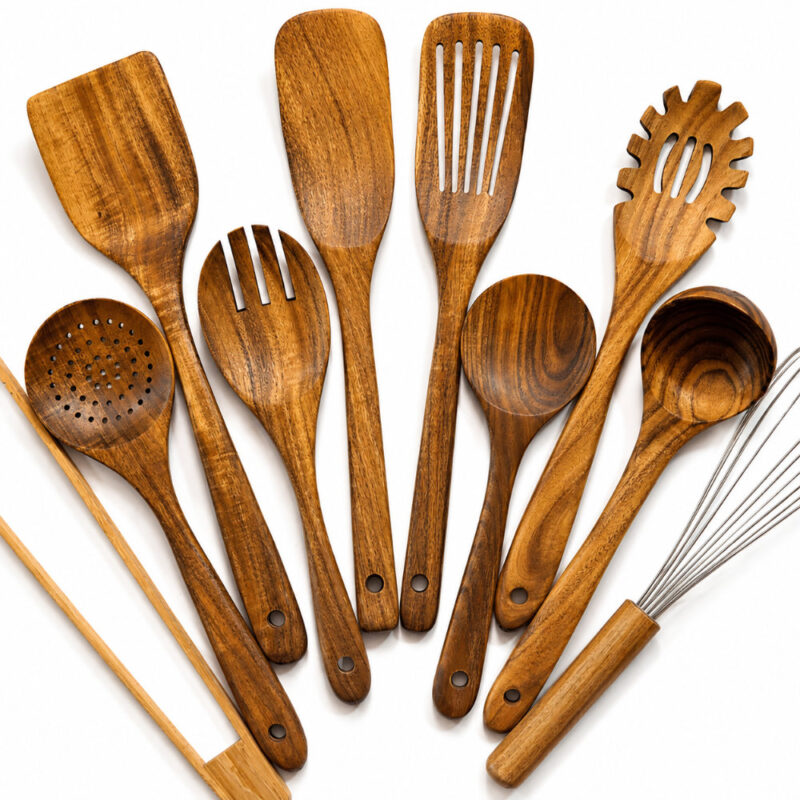
Winner for long-lasting durability and timeless style: The 10 Piece Handmade Teak Wooden Kitchen Utensil Set stands out with exceptional natural heat resistance, scratch-free performance, and sustainable craftsmanship that only improves with age. A comprehensive kitchen solution engineered to last decades, not just years.
Flame retardants are the primary concern. These chemicals include polybrominated diphenyl ethers (PBDEs) and other persistent organic pollutants. They disrupt hormones and affect thyroid function. Children face the highest risk from exposure.
The black pigment masks recycled content. Manufacturers add carbon black to hide the mixed plastic origins. This practice became widespread in the early 2000s. Recycling facilities could not properly sort black plastics. The material ended up in consumer products instead of proper disposal.
Heat accelerates chemical migration. Hot food draws more toxins from the plastic surface. Acidic foods like tomato sauce increase this transfer. Each use releases small amounts into meals.
Best Material Options for Replacement
Stainless Steel Utensils
Stainless steel ranks as the top replacement choice. This material offers durability that lasts decades. Food-grade stainless steel (18/8 or 18/10) contains chromium and nickel. These elements create a non-reactive surface.
Benefits of stainless steel utensils:
- Withstands high temperatures without degradation
- Resists corrosion and rust
- Easy to clean in dishwashers
- No chemical leaching into food
- Recyclable at end of life
- Maintains sharp edges for cutting tasks
The numbers 18/8 mean 18% chromium and 8% nickel. This ratio provides optimal corrosion resistance. Professional kitchens use stainless steel almost exclusively. The initial cost is higher but lifetime value exceeds all alternatives.
Wooden Utensils
Wood provides a natural alternative with unique advantages. Hardwoods like maple, cherry, and walnut work best. These dense woods resist bacteria naturally.
Lignin in wood fibers has antimicrobial properties. Research shows wooden surfaces harbor fewer bacteria than plastic after washing. The porous structure traps and kills microorganisms.
Key considerations for wooden utensils:
- Hand wash only – dishwashers cause cracking
- Oil monthly with food-grade mineral oil
- Replace when deep cracks appear
- Avoid soaking in water
- Keep away from high heat sources
Wooden spoons excel at stirring and scraping. They protect non-stick cookware surfaces. The material absorbs impact without scratching. Quality wooden utensils last 5-10 years with proper care.
Bamboo Utensils
Bamboo grows faster than traditional hardwoods. This grass reaches maturity in 3-5 years. Harvesting bamboo does not kill the plant. New shoots emerge from the same root system.
Bamboo utensils share many wooden utensil properties. The material is naturally antimicrobial. It resists water absorption better than most hardwoods. Bamboo also shows greater strength-to-weight ratios.
Sustainability factors favor bamboo:
- Requires no pesticides or fertilizers
- Grows in diverse climates
- Sequesters carbon efficiently
- Minimal processing needed
- Biodegradable at end of life
The grain structure in bamboo differs from wood. This creates a harder, more durable surface. Bamboo utensils cost less than hardwood options. They perform similarly in daily use.
Silicone Utensils
Food-grade silicone offers flexibility that other materials lack. This synthetic rubber withstands extreme temperatures. Silicone remains stable from -40°F to 500°F.
Platinum-cured silicone is the safest option. This manufacturing process uses platinum as a catalyst. Food-grade certification ensures no fillers or additives. Lower quality silicone may contain peroxide residues.
Advantages of silicone utensils:
- Flexible edges conform to pot curves
- Heat-resistant handles stay cool
- Dishwasher safe
- Non-scratch surface for cookware
- Color-coded options for food safety
- Odor and stain resistant
Silicone spatulas excel at scraping bowls clean. The material bends around curves effectively. Tongs and turners benefit from heat resistance. Quality silicone utensils last 3-5 years before degrading.
Titanium Utensils
Titanium represents the premium category. This metal weighs 45% less than stainless steel. The strength exceeds steel at equivalent thickness. Titanium forms a protective oxide layer naturally.
Backpackers and travelers prefer titanium. The weight savings matter for portable use. Corrosion resistance surpasses stainless steel. Titanium never rusts even in salt water.
Drawbacks include high cost and limited selection. The material requires specialized manufacturing. Most titanium utensils target outdoor markets. Kitchen-specific designs are harder to find.
Material Comparison Table
| Material | Durability | Heat Resistance | Maintenance | Cost | Lifespan |
|---|---|---|---|---|---|
| Stainless Steel | Excellent | 500°F+ | Low | $$ | 20+ years |
| Wood | Good | 350°F | Medium | $ | 5-10 years |
| Bamboo | Good | 350°F | Medium | $ | 5-10 years |
| Silicone | Fair | 500°F | Low | $ | 3-5 years |
| Titanium | Excellent | 600°F+ | Low | $$$$ | 20+ years |
What to Avoid in Replacement Utensils
Low-Quality Stainless Steel
Not all stainless steel meets food-grade standards. Some manufacturers use lower grades to reduce costs. Grade 430 stainless contains no nickel. This grade corrodes more easily. It may leave metallic tastes in food.
Check for 18/8 or 18/10 markings. These indicate proper food-grade composition. Avoid unmarked stainless steel products. The source materials remain unknown.
Painted or Coated Wooden Utensils
Paint and varnish coatings crack over time. These finishes flake into food. The chips create choking hazards. Toxic substances may exist in decorative paints.
Raw or oil-finished wood is safer. The natural surface allows proper cleaning. No coating material enters the food chain.
Peroxide-Cured Silicone
Peroxide curing leaves residual chemicals in silicone. This cheaper process creates a less stable product. The material degrades faster under heat. Off-gassing may occur at high temperatures.
Test silicone quality by twisting it. Peroxide-cured silicone shows white stress marks. Platinum-cured silicone maintains color when twisted. This simple test reveals manufacturing quality.
Melamine Utensils
Melamine resembles plastic but contains formaldehyde. This resin breaks down when heated. The chemical release increases with temperature and acidity. Studies link melamine exposure to kidney problems.
Melamine often appears in colorful, inexpensive utensil sets. The material feels hard like ceramic. Avoid using melamine utensils with hot foods.
Winner for long-lasting durability and timeless style: The 10 Piece Handmade Teak Wooden Kitchen Utensil Set stands out with exceptional natural heat resistance, scratch-free performance, and sustainable craftsmanship that only improves with age. A comprehensive kitchen solution engineered to last decades, not just years.
How to Choose the Right Replacement
Assess Your Cooking Habits
Different materials suit different cooking styles. High-heat cooking demands metal or silicone. Gentle stirring works well with wood or bamboo.
Consider these questions:
- Do you use non-stick cookware frequently?
- What temperatures do you typically cook at?
- How often do you use the dishwasher?
- What is your budget for kitchen tools?
- Do you prefer minimal maintenance items?
Non-stick pans require softer utensils. Wood, bamboo, and silicone prevent scratches. Stainless steel works best for stainless or cast iron cookware.
Match Utensils to Tasks
Specific tools excel at particular jobs. Spatulas need flexibility. Spoons require durability. Tongs must withstand direct heat.
Task-specific recommendations:
- Stirring: Wooden spoons or stainless steel
- Flipping: Stainless steel or silicone spatulas
- Serving: Stainless steel or bamboo
- Scraping: Silicone or wooden spatulas
- Tongs: Stainless steel or silicone-tipped
Build a collection gradually. Start with the most-used items. Replace black plastic pieces one at a time. This spreads the cost over several months.
Check for Certifications
Food-grade certifications ensure safety. Look for these marks:
- FDA approved for food contact
- LFGB certified (European standard)
- NSF International certification
- BPA-free labels on silicone
Reputable manufacturers provide test results. Third-party testing confirms material safety. Avoid products without clear safety documentation.
Consider Your Budget
Quality utensils cost more initially. The investment pays off through longevity. Calculate cost per year of use.
Budget allocation example:
- Entry level: $30-50 for basic stainless steel set
- Mid-range: $75-125 for mixed material collection
- Premium: $200+ for professional-grade tools
Sales and bulk purchases reduce costs. Many retailers offer utensil sets at discounts. Individual pieces allow gradual replacement within budget.
Proper Care Extends Utensil Life
Stainless Steel Maintenance
Wash stainless steel after each use. Acidic foods can pit the surface if left on overnight. Dishwashers clean stainless steel safely.
Remove stuck food with baking soda paste. Scrub gently with a soft sponge. Avoid steel wool on polished finishes. Dry thoroughly to prevent water spots.
Wooden and Bamboo Care
Hand washing preserves wooden utensils. Use warm water and mild soap. Rinse completely and air dry upright. Never soak wooden tools.
Oiling instructions:
- Clean and dry the utensil completely
- Apply food-grade mineral oil liberally
- Let absorb for 2-4 hours
- Wipe away excess oil
- Repeat monthly or when wood looks dry
Sanding removes stains and roughness. Use fine-grit sandpaper (220 grit). Sand with the grain direction. Re-oil after sanding.
Silicone Care
Silicone tolerates dishwashers well. High heat cycles remove residual oils. Grease can cause silicone to attract dust.
Remove stubborn odors by boiling in water. Add lemon juice or vinegar to the water. Boil for 10 minutes then rinse. This process resets the material.
Store silicone flat or hanging. Folding creates permanent creases. UV exposure degrades silicone over time. Keep utensils in drawers or cabinets.
Environmental Impact of Your Choice
Manufacturing Footprint
Stainless steel production requires significant energy. Mining and refining ore creates emissions. The material is 100% recyclable indefinitely. This offsets initial production impact.
Wood and bamboo have lower production footprints. Processing requires minimal energy. Transportation distance affects total impact. Local sources reduce environmental costs.
Silicone manufacturing uses petroleum products. The process generates emissions. Quality silicone lasts longer and reduces replacement frequency. End-of-life disposal is problematic.
Disposal and Recycling
Stainless steel enters standard metal recycling streams. The material retains value after use. Scrap yards accept stainless steel utensils.
Wood and bamboo biodegrade naturally. Composting breaks down these materials in months. They return nutrients to soil. No special disposal is required.
Silicone does not biodegrade easily. Recycling options are limited. Some manufacturers offer take-back programs. Most silicone ends up in landfills.
Making the Switch: Step-by-Step Plan
Week 1: Inventory your current black plastic utensils. Count how many pieces you actually use regularly. Most households need 8-12 utensils total.
Week 2: Research and select replacement materials. Read reviews from verified purchasers. Compare prices across multiple retailers.
Week 3: Purchase your first batch of replacements. Start with the most-used items. Buy 3-4 essential pieces.
Week 4: Test new utensils in daily cooking. Note performance differences. Adjust your technique if needed.
Weeks 5-8: Gradually replace remaining black plastic items. Dispose of old utensils responsibly. Do not donate contaminated items.
Some communities accept plastic utensils in recycling. Check local guidelines first. Many programs reject black plastics specifically.
Where to Buy Quality Replacements
Specialty kitchen stores carry premium brands. Staff can answer technical questions. You can examine products before purchase.
Online retailers offer wider selection. Customer reviews provide real-world feedback. Return policies protect against defects.
Recommended retailers:
- Williams Sonoma for professional-grade tools
- Amazon for budget and variety
- Local kitchenware shops for personalized service
- Manufacturers’ websites for full product lines
Restaurant supply stores sell commercial-grade utensils. These products endure professional kitchen demands. Prices often beat retail stores.
Your Health Starts with Safe Utensils
Black plastic utensils introduce unnecessary chemical exposure. Safer alternatives exist at every price point. The replacement process is straightforward.
Stainless steel offers the best combination of durability and safety. Wooden and bamboo options suit those preferring natural materials. Silicone provides flexibility for specific tasks.
Start your replacement journey today. Your body will thank you for eliminating this exposure source. Safe cooking tools support better health for years to come.
Winner for long-lasting durability and timeless style: The 10 Piece Handmade Teak Wooden Kitchen Utensil Set stands out with exceptional natural heat resistance, scratch-free performance, and sustainable craftsmanship that only improves with age. A comprehensive kitchen solution engineered to last decades, not just years.