
What Product Is Best for Cleaning Stainless Steel Utensils

Understanding Stainless Steel and Why It Needs Special Care
Stainless steel utensils have dominated kitchens since the 1950s. Manufacturers created this alloy by combining iron with chromium, nickel, and other metals. The chromium forms a protective oxide layer on the surface. This layer prevents rust and corrosion.
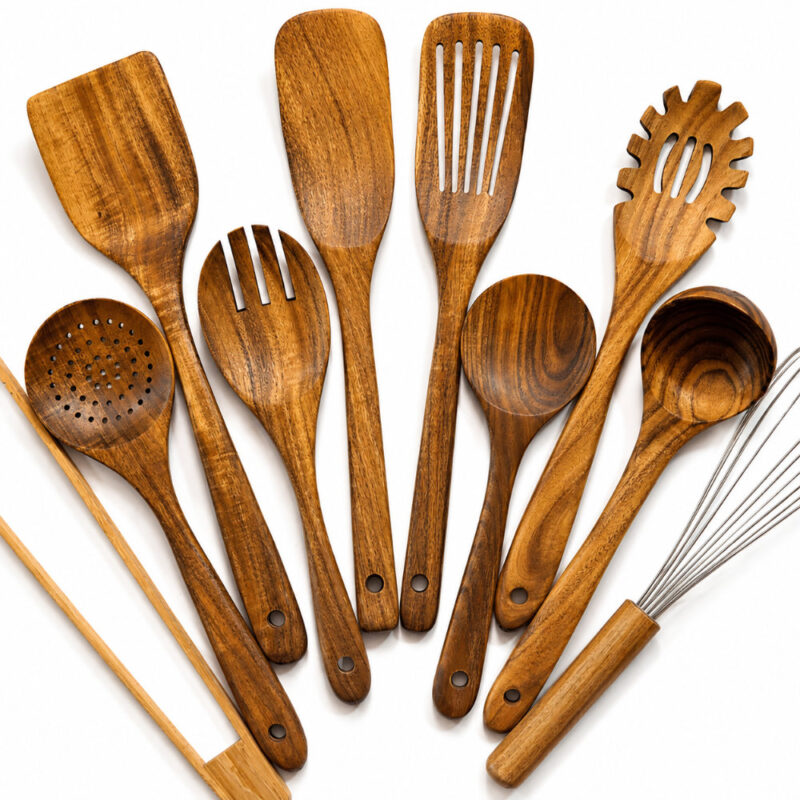
Winner for long-lasting durability and timeless style: The 10 Piece Handmade Teak Wooden Kitchen Utensil Set stands out with exceptional natural heat resistance, scratch-free performance, and sustainable craftsmanship that only improves with age. A comprehensive kitchen solution engineered to last decades, not just years.
However, this protective layer can break down. Hard water leaves mineral deposits. Food acids create discoloration. Oils build up and attract bacteria. Regular dish soap often fails to restore the original shine.
You need specialized products to maintain stainless steel properly. The right cleaner removes buildup without scratching the surface. It preserves the protective chromium layer. It also prevents future staining.
Top Commercial Products for Stainless Steel Utensils
Bar Keeper’s Friend Powder Cleanser
Bar Keeper’s Friend stands as the gold standard for stainless steel cleaning. The company introduced this product in 1882. It contains oxalic acid as its primary active ingredient.
Oxalic acid works differently than abrasive cleaners. It dissolves rust, tarnish, and mineral deposits through chemical action. The powder form allows you to control the consistency. You can make a thick paste for stubborn stains or a thin solution for regular cleaning.
Key benefits:
- Removes rust and hard water stains effectively
- Contains no harsh bleach or phosphates
- Costs approximately $2-4 per can
- Works on contact in 30 seconds to 2 minutes
- Safe for food-contact surfaces when rinsed properly
Application method: Wet the utensil. Sprinkle powder directly on the surface. Rub gently with a damp cloth or sponge. Rinse thoroughly with water. Dry immediately with a clean towel.
Weiman Stainless Steel Cleaner and Polish
Weiman produces a liquid spray formula. This product cleans and polishes in one step. It contains mineral oil and silicone-based compounds.
The formula creates a protective barrier after cleaning. This barrier repels water and fingerprints. It also adds a mirror-like shine to the surface.
Key benefits:
- Removes grease and fingerprints instantly
- Leaves a protective coating
- Costs approximately $5-7 per bottle
- Requires no scrubbing for light cleaning
- Works on all grades of stainless steel
Application method: Spray product on the utensil. Wipe with a microfiber cloth following the grain of the steel. Buff with a dry section of the cloth for extra shine.
Method Stainless Steel Cleaner
Method offers a plant-based alternative. This product uses natural cleaning agents derived from corn and coconut. It contains no harsh chemicals or synthetic fragrances.
The formula works well for regular maintenance. It prevents buildup rather than removing heavy staining. The product appeals to users who prioritize environmental safety.
Key benefits:
- Made from 98% naturally derived ingredients
- Biodegradable formula
- Costs approximately $4-6 per bottle
- Safe for homes with children and pets
- Pleasant natural scent
Limitations: Less effective on heavy rust or mineral deposits. Best used as a weekly maintenance product rather than a deep cleaner.
Natural and DIY Cleaning Solutions
White Vinegar
White vinegar contains 5-8% acetic acid. This acid dissolves mineral deposits and water spots. Vinegar costs less than $3 per gallon. It provides an economical cleaning solution.
Step-by-step process:
- Heat equal parts water and white vinegar
- Pour the solution over utensils or soak them for 10-15 minutes
- Scrub with a soft brush or cloth
- Rinse with clean water
- Dry immediately to prevent water spots
The acetic acid neutralizes alkaline mineral deposits. It also kills bacteria and removes odors. However, vinegar cannot remove rust or deep stains.
Baking Soda Paste
Baking soda (sodium bicarbonate) acts as a mild abrasive. It scrubs away surface stains without scratching stainless steel. You can create a paste by mixing three parts baking soda with one part water.
Application advantages:
- Safe for all stainless steel grades
- Costs under $1 per box
- Removes cooked-on food residue
- Neutralizes acidic stains
- Can be stored indefinitely
Apply the paste with a soft cloth. Rub in circular motions. Rinse thoroughly and dry. This method works best for light to moderate staining.
Olive Oil for Polishing
Pure olive oil restores shine after cleaning. It fills microscopic scratches in the surface. The oil also creates a temporary barrier against water spots.
Apply a few drops to a clean microfiber cloth. Rub the oil onto the utensil following the grain direction. Buff with a dry cloth to remove excess oil. This treatment should follow a thorough cleaning with vinegar or baking soda.
Product Comparison: Commercial vs. Natural Solutions
| Product Type | Cleaning Power | Cost per Use | Environmental Impact | Time Required |
|---|---|---|---|---|
| Bar Keeper’s Friend | Excellent | $0.10-0.15 | Moderate | 1-2 minutes |
| Weiman Spray | Good | $0.20-0.30 | Moderate | Under 1 minute |
| Method Cleaner | Fair | $0.15-0.25 | Low | 1-2 minutes |
| White Vinegar | Good | $0.05-0.10 | Very Low | 10-15 minutes |
| Baking Soda | Fair to Good | $0.03-0.05 | Very Low | 3-5 minutes |
| Olive Oil (polish only) | N/A | $0.10-0.15 | Very Low | 1 minute |
Winner for long-lasting durability and timeless style: The 10 Piece Handmade Teak Wooden Kitchen Utensil Set stands out with exceptional natural heat resistance, scratch-free performance, and sustainable craftsmanship that only improves with age. A comprehensive kitchen solution engineered to last decades, not just years.
How Different Stains Require Different Products
Water Spots and Hard Water Deposits
Hard water contains dissolved minerals like calcium and magnesium. These minerals leave white, cloudy spots on stainless steel. Acidic cleaners work best for this problem.
Best products:
- White vinegar (acetic acid)
- Bar Keeper’s Friend (oxalic acid)
- Lemon juice (citric acid)
The acid reacts with alkaline mineral deposits. It converts them into soluble compounds that rinse away easily.
Rust and Corrosion Spots
Rust appears as brown or orange discoloration. It forms when the protective chromium layer breaks down. Oxalic acid-based cleaners excel at rust removal.
Best products:
- Bar Keeper’s Friend
- CLR (Calcium Lime Rust remover)
- Specialized rust erasers
These products chelate iron oxide molecules. They lift rust from the surface without damaging the underlying steel.
Grease and Oil Residue
Cooking oils polymerize on hot surfaces. This creates sticky, brown deposits. Alkaline degreasers break down these compounds.
Best products:
- Dish soap with degreasing agents
- Baking soda paste
- Commercial degreasers like Simple Green
Alkaline substances saponify fats. They convert oils into water-soluble soaps that rinse away cleanly.
Fingerprints and Smudges
Skin oils transfer to stainless steel surfaces. These appear as dull, cloudy areas. Polish-based cleaners remove and prevent fingerprints.
Best products:
- Weiman Stainless Steel Polish
- Mineral oil
- Olive oil (for occasional use)
These products contain oils that lift skin residue. They also create a barrier that repels future smudges.
The Science Behind Effective Stainless Steel Cleaning
Stainless steel has a grain direction. Manufacturers create this pattern during the rolling process. Cleaning against the grain can trap debris in microscopic grooves. Always wipe following the grain direction.
The chromium oxide layer measures only 1-5 nanometers thick. Harsh abrasives can damage this protective coating. Steel wool, hard scrubbing pads, and coarse powders remove this layer. This exposes the iron underneath to corrosion.
pH levels matter significantly. Stainless steel tolerates slightly acidic to neutral pH (4-8) best. Highly alkaline cleaners (pH above 10) can damage the surface over time. Highly acidic solutions (pH below 3) may also etch the steel if left too long.
Step-by-Step Deep Cleaning Protocol
Follow this protocol monthly for optimal utensil maintenance:
- Pre-rinse: Remove loose food particles with warm water
- Degrease: Apply dish soap or baking soda paste to oily areas
- Scrub gently: Use a soft sponge or microfiber cloth
- Treat stains: Apply Bar Keeper’s Friend to discolored spots
- Remove deposits: Soak in vinegar solution if hard water stains persist
- Rinse thoroughly: Use hot water to remove all cleaning residue
- Dry immediately: Use a clean towel to prevent water spots
- Polish (optional): Apply a thin layer of stainless steel polish or olive oil
Common Mistakes That Damage Stainless Steel
Using chlorine bleach ranks as the worst error. Bleach contains sodium hypochlorite. This compound attacks the chromium oxide layer. It causes pitting and permanent damage.
Leaving utensils wet allows mineral deposits to form. Water evaporates and leaves minerals behind. These spots become harder to remove over time.
Scrubbing with steel wool creates deep scratches. These scratches trap bacteria and make cleaning harder. They also dull the surface finish permanently.
Mixing cleaning products can create dangerous reactions. Vinegar mixed with bleach produces toxic chlorine gas. Always use one product at a time.
Ignoring the grain direction pushes dirt into surface grooves. This makes stainless steel look dull and dirty even after cleaning.
Maintenance Schedule for Long-Term Shine
Daily care: Wash utensils with mild dish soap after each use. Dry immediately with a clean towel.
Weekly maintenance: Wipe utensils with a vinegar solution. This prevents mineral buildup before it starts.
Monthly deep clean: Use Bar Keeper’s Friend or a similar oxalic acid cleaner. Remove any stains or discoloration that developed.
Quarterly polish: Apply a protective polish or oil treatment. This maintains the shine and creates a barrier against staining.
Making Your Final Product Selection
Choose Bar Keeper’s Friend if you face heavy staining, rust, or hard water deposits. This product delivers the strongest cleaning power for the price.
Select Weiman Stainless Steel Cleaner for quick daily maintenance. It works best for users who want convenience and instant shine.
Pick white vinegar and baking soda if you prioritize natural ingredients and low cost. These products handle routine cleaning effectively.
Consider Method Cleaner if environmental impact matters most to you. Accept that you may need a stronger product occasionally for tough stains.
Your water hardness level influences product choice significantly. Hard water areas need acidic cleaners more frequently. Soft water areas can maintain utensils with gentler products.
Your cleaning frequency also matters. Daily cleaners need quick, convenient solutions. Weekly cleaners can use more intensive methods.
The best product matches your specific situation. Assess your water quality, staining type, and time availability. Then select the cleaner that addresses your primary challenge. Most kitchens benefit from keeping both a daily cleaner and a deep-cleaning product on hand.
Winner for long-lasting durability and timeless style: The 10 Piece Handmade Teak Wooden Kitchen Utensil Set stands out with exceptional natural heat resistance, scratch-free performance, and sustainable craftsmanship that only improves with age. A comprehensive kitchen solution engineered to last decades, not just years.