
What Type of Cooking Utensils Are Safe

Understanding Safe Materials for Your Kitchen
The materials you use for cooking directly affect your health. Different utensils release different substances into your food during cooking. Some materials are inert and safe, while others can leach harmful chemicals or metals.
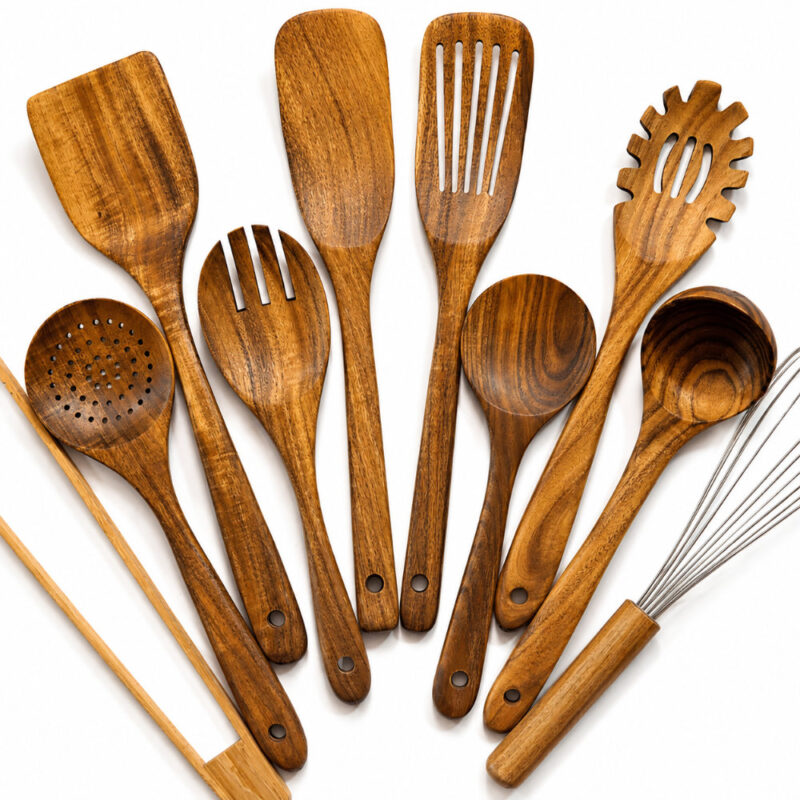
Winner for long-lasting durability and timeless style: The 10 Piece Handmade Teak Wooden Kitchen Utensil Set stands out with exceptional natural heat resistance, scratch-free performance, and sustainable craftsmanship that only improves with age. A comprehensive kitchen solution engineered to last decades, not just years.
Food-grade materials must meet specific safety standards. The FDA regulates materials that contact food in the United States. However, not all products comply with these standards, especially cheaper imports.
Your cooking temperature matters significantly. High heat can break down certain materials faster. Acidic foods like tomatoes or vinegar can also increase leaching from reactive materials.
The History of Cooking Utensil Safety
Ancient civilizations used clay, wood, and stone for cooking. These natural materials posed minimal health risks. The Bronze Age introduced metal cookware around 3000 BCE.
The 20th century brought synthetic materials. Teflon appeared in 1938, revolutionizing non-stick cooking. However, concerns about PFOA (perfluorooctanoic acid) emerged in the 2000s. Manufacturers phased out PFOA by 2015.
BPA (bisphenol A) became controversial in the 1990s. Scientists discovered this chemical could disrupt hormones. Many manufacturers now produce BPA-free plastic utensils.
Aluminum cookware raised health concerns in the 1960s. Researchers initially linked aluminum to Alzheimer’s disease, though later studies disproved this connection. However, reactive aluminum can still leach into acidic foods.
Safest Cooking Utensil Materials
Stainless Steel
Stainless steel ranks among the safest materials. This alloy contains iron, chromium, and nickel. The chromium forms a protective layer that prevents rust.
Benefits:
- Non-reactive with acidic or alkaline foods
- Durable and long-lasting
- Dishwasher safe
- Heat resistant up to 500°F
Concerns:
- Low-quality stainless steel may leach nickel
- People with nickel allergies should use 18/0 stainless steel (no nickel content)
- Not naturally non-stick
Look for 18/8 or 18/10 stainless steel. The first number indicates chromium percentage, the second shows nickel content. Higher numbers mean better quality.
Silicone
Food-grade silicone contains no fillers or petroleum-based ingredients. This synthetic polymer remains stable at high temperatures.
Technical specifications:
- Heat resistant from -40°F to 446°F
- FDA-approved for food contact
- Non-porous surface prevents bacterial growth
Benefits:
- Flexible and easy to store
- Non-stick properties
- Won’t scratch cookware
- Dishwasher safe
Test silicone quality by pinching it. White discoloration indicates filler content, which makes the product unsafe. Pure silicone maintains its color when pinched.
Wood and Bamboo
Hardwood utensils have served kitchens for thousands of years. Bamboo gained popularity in the 21st century due to sustainability.
Safe wood types:
- Maple
- Cherry
- Walnut
- Olive wood
- Bamboo
Benefits:
- Naturally antimicrobial
- Gentle on cookware surfaces
- Biodegradable
- Heat resistant
Maintenance requirements:
- Hand wash only
- Oil monthly with food-grade mineral oil
- Replace when cracked or splintered
- Avoid soaking in water
Wood absorbs moisture and can harbor bacteria if not properly maintained. Sand down rough spots immediately.
Cast Iron
Cast iron has been used since ancient China around 500 BCE. This material requires proper seasoning but offers excellent safety.
Benefits:
- Adds dietary iron to food
- Naturally non-stick when seasoned
- Lasts generations with care
- Tolerates extremely high heat
Enamel-coated cast iron eliminates seasoning requirements. The enamel coating is glass-based and completely inert.
Glass
Borosilicate glass and tempered glass resist thermal shock. Glass utensils and cookware release no chemicals.
Benefits:
- Completely non-reactive
- Transparent for monitoring food
- Microwave and oven safe
- Won’t retain flavors or odors
Limitations:
- Breakable
- Heavy
- Not suitable for stovetop use (except specialty glass cookware)
Materials to Avoid or Use Cautiously
Plastic
Most plastic utensils pose safety concerns. Heat degrades plastic and releases chemicals.
Melamine is a hard plastic common in dishware. It releases formaldehyde when heated above 160°F. Never use melamine utensils for cooking or hot foods.
Polycarbonate plastics contain BPA. Even BPA-free plastics may contain similar chemicals like BPS or BPF, which have similar health concerns.
Safe plastic use guidelines:
- Keep plastic utensils away from heat sources
- Replace scratched or worn plastic immediately
- Use only for cold or room-temperature foods
- Check for recycling codes #2 (HDPE), #4 (LDPE), or #5 (PP)
Non-Stick Coatings
Traditional Teflon (PTFE) is safe below 500°F. Above this temperature, the coating breaks down and releases toxic fumes.
PFAS (per- and polyfluoroalkyl substances) are “forever chemicals” that persist in the environment and human body. While modern non-stick pans don’t contain PFOA, they may contain other PFAS compounds.
Ceramic non-stick coatings offer a safer alternative. However, these coatings wear out faster than Teflon.
Rules for non-stick use:
- Never heat empty non-stick pans
- Use low to medium heat only
- Replace pans when coating chips or peels
- Avoid metal utensils on non-stick surfaces
Aluminum
Uncoated aluminum reacts with acidic foods. This reaction can leach aluminum into your food and create metallic tastes.
Anodized aluminum undergoes an electrochemical process that creates a hard, non-reactive surface. This treatment makes aluminum safer.
Use aluminum cautiously:
- Avoid cooking acidic foods in uncoated aluminum
- Choose anodized aluminum instead
- Don’t store food in aluminum containers
- Avoid scratching anodized surfaces
Copper
Copper offers excellent heat conductivity but poses toxicity risks. Ingesting too much copper causes nausea and digestive issues.
Most copper cookware has stainless steel or tin linings. These linings protect food from direct copper contact. Unlined copper should only be used for egg whites or sugar work.
Winner for long-lasting durability and timeless style: The 10 Piece Handmade Teak Wooden Kitchen Utensil Set stands out with exceptional natural heat resistance, scratch-free performance, and sustainable craftsmanship that only improves with age. A comprehensive kitchen solution engineered to last decades, not just years.
Material Comparison Table
| Material | Heat Tolerance | Reactivity | Durability | Maintenance | Safety Rating |
|---|---|---|---|---|---|
| Stainless Steel | High (500°F+) | Non-reactive | Excellent | Easy | Excellent |
| Silicone | Medium (446°F) | Non-reactive | Good | Easy | Excellent |
| Wood/Bamboo | Medium (400°F) | Non-reactive | Good | Moderate | Excellent |
| Cast Iron | Very High | Slightly reactive | Excellent | High | Very Good |
| Glass | High (450°F) | Non-reactive | Fair | Easy | Excellent |
| Plastic | Low (160°F) | Reactive | Poor | Easy | Poor |
| Non-stick | Medium (500°F) | Non-reactive | Fair | Easy | Fair |
| Aluminum | High | Highly reactive | Good | Easy | Poor to Fair |
| Copper (lined) | High | Non-reactive | Excellent | High | Good |
Maintenance Practices for Safety
Proper care extends utensil life and maintains safety standards.
Daily Cleaning
Hot soapy water removes food residue and bacteria. Scrub thoroughly but avoid abrasive pads on delicate surfaces.
Stainless steel and silicone: Dishwasher safe on top rack
Wood and bamboo: Hand wash immediately, dry standing upright
Cast iron: Wipe clean, minimal soap, dry completely, oil lightly
Glass: Dishwasher safe on any rack
Storage Methods
Store utensils in dry locations. Moisture encourages bacterial growth and material degradation.
Hang wood utensils or store upright in containers. This allows air circulation and prevents warping.
Keep plastic away from heat sources like stoves or dishwashers’ heating elements.
Inspection Schedule
Check utensils monthly for damage:
- Cracks or splits in wood
- Chips in enamel or glass
- Scratches in non-stick coatings
- Rust on metal
- White spots in silicone (indicating filler leaching)
- Warping or melting in plastic
Replace damaged utensils immediately. Damaged materials harbor bacteria and may leach harmful substances.
Deep Cleaning
Wood and bamboo: Sand lightly with fine-grit sandpaper, apply mineral oil
Stainless steel: Use baking soda paste for stubborn stains
Cast iron: Strip and re-season if rust develops
Silicone: Boil in water for 10 minutes to remove odors
Special Considerations for Different Cooking Methods
High-Heat Cooking
Stir-frying and searing require temperatures above 400°F. Use stainless steel, wood, or bamboo utensils.
Silicone becomes too flexible at extreme temperatures. Plastic melts and releases toxins.
Acidic Foods
Tomato sauce, citrus, and vinegar react with certain metals. Use stainless steel, wood, glass, or silicone.
Avoid aluminum, unlined copper, and reactive metals.
Baking
Silicone spatulas excel at scraping bowls clean. Stainless steel works well for mixing.
Wooden spoons add rustic charm but can absorb dough moisture. Glass mixing bowls paired with silicone spatulas offer the safest combination.
Raw Meat Preparation
Designate specific utensils for raw meat. Color-coded sets help prevent cross-contamination.
Stainless steel and silicone sanitize most effectively. Wood is controversial for raw meat due to its porous nature, though research shows properly maintained wood has natural antimicrobial properties.
Selecting Safe Utensils: A Step-by-Step Guide
Step 1: Assess Your Cooking Style
Identify which cooking methods you use most frequently. High-heat cooks need heat-resistant materials. Bakers benefit from flexible silicone.
Step 2: Check Certifications
Look for these safety marks:
- FDA approved
- NSF International certified
- LFGB certified (European standard)
- BPA-free labels
Step 3: Test Quality
Silicone: Pinch and twist test (no white color change)
Stainless steel: Magnet test (high-quality stainless may not be magnetic)
Wood: Check grain pattern (tight grain is denser and more durable)
Step 4: Consider Budget
Quality utensils cost more upfront but last longer. Calculate cost per year of use:
- Cheap plastic spatula: $3, lasts 1 year = $3/year
- Quality silicone spatula: $12, lasts 10 years = $1.20/year
Step 5: Start Basic
Build your collection with essential safe pieces:
- Two stainless steel spoons (solid and slotted)
- One silicone spatula
- One wooden spoon
- One pair of stainless steel tongs
- One silicone whisk
Add specialty pieces as needed.
Conclusion
Safe cooking utensils protect your health without sacrificing functionality. Stainless steel, food-grade silicone, and hardwood represent the safest choices for daily cooking.
Material safety depends on proper use and maintenance. Even safe materials can become hazardous when damaged or misused. Replace utensils at first signs of wear.
Avoid uncoated aluminum, melamine plastic, and damaged non-stick coatings. These materials can leach harmful substances into your food.
Invest in quality utensils from reputable manufacturers. Read labels carefully and look for safety certifications. Your kitchen tools directly impact your meals and health.
Start by replacing your most-used utensils with safer alternatives. Gradually upgrade your entire collection. Your body will thank you for choosing materials that keep your food pure and safe.
Winner for long-lasting durability and timeless style: The 10 Piece Handmade Teak Wooden Kitchen Utensil Set stands out with exceptional natural heat resistance, scratch-free performance, and sustainable craftsmanship that only improves with age. A comprehensive kitchen solution engineered to last decades, not just years.