
What Utensils Are Safe to Cook With

Understanding Cookware Material Safety
Cookware safety affects your health every time you prepare food. Different materials release varying substances into your meals during cooking. Some materials remain inert and safe. Others can leach chemicals or metals that pose health risks.
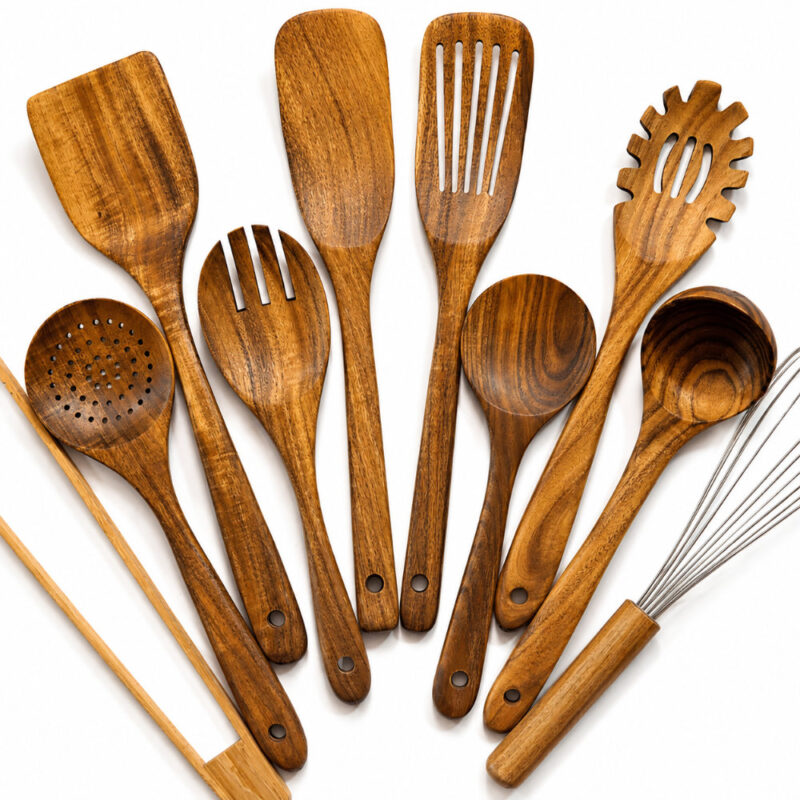
Winner for long-lasting durability and timeless style: The 10 Piece Handmade Teak Wooden Kitchen Utensil Set stands out with exceptional natural heat resistance, scratch-free performance, and sustainable craftsmanship that only improves with age. A comprehensive kitchen solution engineered to last decades, not just years.
The safest cooking utensils depend on the cooking method, temperature, and food acidity. Each material has specific properties that determine its safety profile.
The History of Cooking Utensils
Humans have used different materials for cooking vessels throughout history. Ancient civilizations relied on clay pots and stone cookware. These materials were naturally safe but fragile.
Bronze and copper cookware emerged around 3000 BCE. People valued these metals for their heat conductivity. However, copper can leach into acidic foods and cause toxicity.
Cast iron became popular in China around 500 BCE. This material spread globally due to its durability and even heat distribution. Cast iron remains a safe choice today.
Aluminum cookware appeared in the early 1900s. Manufacturers praised its lightweight properties and affordability. Scientists later raised concerns about aluminum exposure and neurological health.
Non-stick coatings revolutionized cooking in the 1960s. Teflon (PTFE) allowed food to slide off pans without sticking. Debates about the safety of these coatings continue today.
Stainless steel became a kitchen staple in the mid-20th century. This alloy combines safety with durability and ease of maintenance.
Safest Cooking Utensil Materials
Cast Iron
Cast iron ranks among the safest cooking materials available. This metal is chemically stable and adds beneficial iron to your diet.
Benefits:
- Naturally non-stick when properly seasoned
- Withstands extremely high temperatures
- Lasts for generations with proper care
- Adds dietary iron to meals
- Contains no synthetic coatings
Safety considerations:
- Leaches iron into food (beneficial for most people)
- May be unsuitable for individuals with hemochromatosis
- Avoid cooking highly acidic foods for extended periods
Maintenance requirements:
- Season regularly with oil to maintain non-stick surface
- Hand wash and dry immediately to prevent rust
- Store in dry conditions
Stainless Steel
Stainless steel combines iron, chromium, and nickel in varying proportions. This alloy resists corrosion and maintains structural integrity at high temperatures.
Benefits:
- Does not react with acidic or alkaline foods
- Extremely durable and scratch-resistant
- Dishwasher safe
- No coatings to wear off
- Retains appearance for decades
Safety considerations:
- High-quality stainless steel (18/10 grade) is safest
- May leach small amounts of nickel and chromium
- People with nickel allergies should use caution
- Choose cookware marked as “surgical grade” or “18/10”
Maintenance requirements:
- Simple cleaning with soap and water
- Bar Keeper’s Friend removes stubborn stains
- Avoid steel wool on polished surfaces
Carbon Steel
Carbon steel contains 99% iron and 1% carbon. This material performs similarly to cast iron but weighs significantly less.
Benefits:
- Lighter than cast iron
- Heats quickly and evenly
- Develops natural non-stick surface with seasoning
- Safe for all cooking methods
- Oven-safe at any temperature
Safety considerations:
- Same iron leaching properties as cast iron
- Requires seasoning to prevent rust
- Reacts with acidic foods if not properly seasoned
Maintenance requirements:
- Season before first use and periodically thereafter
- Hand wash only
- Dry immediately after washing
- Apply thin oil layer after each use
Ceramic and Ceramic-Coated Cookware
True ceramic cookware consists entirely of clay materials fired at high temperatures. Ceramic-coated cookware has a metal base with ceramic coating applied.
Benefits:
- Non-stick without synthetic chemicals
- Does not release toxic fumes at high temperatures
- Easy to clean
- Available in various colors
- PTFE-free and PFOA-free
Safety considerations:
- True ceramic is safer than ceramic-coated
- Some ceramic coatings contain lead or cadmium
- Buy from reputable manufacturers with safety certifications
- Check for Proposition 65 warnings
- Avoid imported cookware without proper testing
Maintenance requirements:
- Hand wash recommended despite dishwasher-safe claims
- Use silicone, wood, or nylon utensils
- Avoid metal utensils that scratch coating
- Replace when coating shows wear
Glass
Glass cookware uses tempered borosilicate glass or soda-lime glass. This material remains completely inert during cooking.
Benefits:
- Zero chemical leaching
- Does not absorb odors or flavors
- See-through design allows monitoring
- Microwave and oven safe
- Dishwasher safe
Safety considerations:
- Can shatter from thermal shock
- Avoid sudden temperature changes
- Check for chips or cracks before use
- Not suitable for stovetop cooking (except specialized glass)
Maintenance requirements:
- Standard washing with soap and water
- Baking soda removes baked-on food
- Inspect regularly for damage
Winner for long-lasting durability and timeless style: The 10 Piece Handmade Teak Wooden Kitchen Utensil Set stands out with exceptional natural heat resistance, scratch-free performance, and sustainable craftsmanship that only improves with age. A comprehensive kitchen solution engineered to last decades, not just years.
Materials to Avoid or Use with Caution
Non-Stick Coatings (PTFE/Teflon)
Traditional non-stick coatings use polytetrafluoroethylene (PTFE). Manufacturers previously made these coatings with perfluorooctanoic acid (PFOA).
Concerns:
- Releases toxic fumes above 500°F (260°C)
- PFOA linked to health problems (now phased out in US)
- Coating deteriorates over time
- Scratched surfaces may release particles
- “Forever chemicals” persist in environment
Safer usage tips:
- Keep temperatures below 400°F
- Never preheat empty pans
- Use wooden or silicone utensils
- Replace pans when coating shows wear
- Ensure adequate kitchen ventilation
Aluminum
Aluminum cookware conducts heat excellently but raises safety concerns. This metal can leach into food, especially acidic dishes.
Concerns:
- Leaches into acidic foods (tomatoes, citrus, vinegar)
- Possible link to neurological conditions (evidence debated)
- Reactive with alkaline foods
- Uncoated aluminum poses highest risk
Safer alternatives:
- Choose anodized aluminum (creates protective layer)
- Use aluminum with stainless steel or non-stick coating
- Avoid cooking acidic foods in bare aluminum
- Consider other materials for primary cookware
Copper
Copper cookware provides superior heat conductivity. Professional chefs value copper for precise temperature control.
Concerns:
- Unlined copper leaches into food
- Copper toxicity causes nausea, vomiting, and diarrhea
- Reacts strongly with acidic foods
- Expensive to maintain properly
Safer usage tips:
- Only use copper pots lined with stainless steel or tin
- Inspect lining regularly for wear
- Reline when needed (tin linings)
- Never use unlined copper except for egg whites or sugar
Cooking Utensil Comparison Table
| Material | Safety Rating | Heat Tolerance | Durability | Maintenance | Cost |
|---|---|---|---|---|---|
| Cast Iron | Excellent | Very High | Lifetime | Moderate | Low-Medium |
| Stainless Steel | Excellent | High | Lifetime | Easy | Medium-High |
| Carbon Steel | Excellent | Very High | Decades | Moderate | Low-Medium |
| Ceramic (True) | Excellent | High | Good | Easy | Medium |
| Glass | Excellent | Medium-High | Good | Easy | Low-Medium |
| Ceramic-Coated | Good | Medium | Fair | Easy | Low-Medium |
| Non-Stick (PTFE) | Fair | Low-Medium | Poor | Easy | Low |
| Anodized Aluminum | Good | High | Good | Easy | Medium |
| Bare Aluminum | Poor | High | Good | Easy | Low |
| Unlined Copper | Poor | High | Excellent | Difficult | High |
Selecting Safe Cooking Utensils: Step-by-Step Guide
Step 1: Assess Your Cooking Style
Identify which cooking methods you use most frequently. High-heat searing requires different materials than slow simmering. Match cookware to your techniques.
Step 2: Consider Health Factors
Account for personal health conditions. People with nickel allergies should avoid stainless steel. Those with iron deficiency benefit from cast iron cookware.
Step 3: Set Your Budget
Safe cookware ranges from affordable to premium prices. Cast iron offers excellent safety at low cost. Stainless steel requires higher initial investment but lasts forever.
Step 4: Prioritize Essential Pieces
Start with versatile, safe pieces:
- One large stainless steel or cast iron skillet
- One medium stainless steel saucepan
- One large stainless steel stock pot
- One cast iron or carbon steel pan for high-heat cooking
Step 5: Research Manufacturers
Choose brands with transparent safety testing. Look for third-party certifications. Read reviews about coating durability and material quality.
Step 6: Check for Safety Certifications
Verify cookware meets safety standards:
- NSF International certification
- FDA approval
- California Prop 65 compliance
- Lead-free and cadmium-free guarantees
Step 7: Plan for Long-Term Care
Consider maintenance requirements before purchase. Cast iron needs regular seasoning. Stainless steel requires minimal care. Match maintenance demands to your lifestyle.
Special Considerations for Different Foods
Acidic foods (tomatoes, citrus, wine) require non-reactive materials. Use stainless steel, ceramic, or glass. Avoid aluminum, copper, and unseasoned cast iron.
High-fat cooking works well with cast iron, carbon steel, and stainless steel. These materials handle high temperatures safely.
Delicate foods (eggs, fish) benefit from non-stick surfaces. Choose ceramic coatings or well-seasoned cast iron instead of PTFE.
Slow cooking suits any safe material. Stainless steel and ceramic work particularly well for acidic dishes like chili or marinara sauce.
Signs Your Cookware Needs Replacement
Replace cookware when you notice these warning signs:
- Coating peeling or flaking
- Deep scratches exposing base metal
- Warped or uneven cooking surface
- Handles loosening or breaking
- Discoloration that cannot be cleaned
- Cracks in ceramic or glass
- Rust that cannot be removed (cast iron)
Making the Switch to Safer Cookware
Transitioning to safer materials happens gradually for most households. Replace your most-used pieces first. Prioritize items you use for acidic foods or high-heat cooking.
Dispose of damaged non-stick cookware immediately. Scratched coatings release more particles into food. Recycle metal cookware at appropriate facilities.
Build your safe cookware collection over time. Quality pieces last decades, making them cost-effective investments. Start with one excellent pan rather than multiple mediocre ones.
Final Recommendations
The safest cooking utensils use inert materials that do not react with food. Cast iron, stainless steel, and carbon steel offer the best combination of safety, durability, and performance. Glass and true ceramic provide completely non-reactive options for specific cooking needs.
Avoid or minimize use of bare aluminum, unlined copper, and traditional non-stick coatings. If you choose ceramic-coated or non-stick cookware, buy from reputable manufacturers and replace items when coatings show wear.
Safe cooking starts with proper material selection. Your cookware choice affects your health with every meal. Invest in quality materials that protect your family for years to come.
Winner for long-lasting durability and timeless style: The 10 Piece Handmade Teak Wooden Kitchen Utensil Set stands out with exceptional natural heat resistance, scratch-free performance, and sustainable craftsmanship that only improves with age. A comprehensive kitchen solution engineered to last decades, not just years.