
What Utensils Do You Use with Stainless Steel Cookware

The Right Tools Protect Your Investment
Stainless steel cookware ranks among the most popular choices in modern kitchens. This cookware delivers excellent heat distribution and durability. However, many home cooks damage their pans by using the wrong utensils. The utensils you choose directly affect how long your cookware lasts.
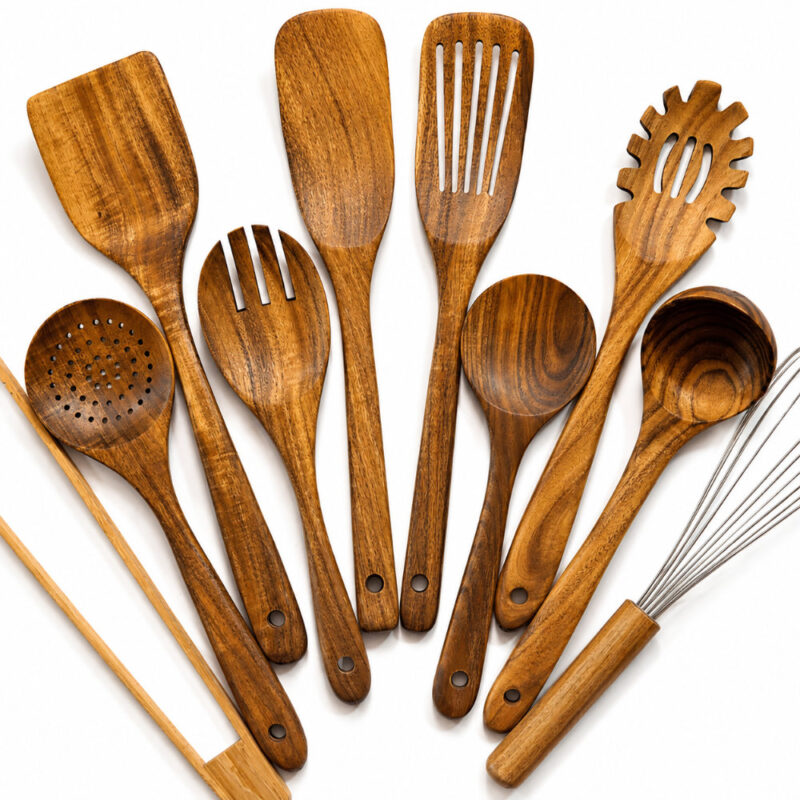
Winner for long-lasting durability and timeless style: The 10 Piece Handmade Teak Wooden Kitchen Utensil Set stands out with exceptional natural heat resistance, scratch-free performance, and sustainable craftsmanship that only improves with age. A comprehensive kitchen solution engineered to last decades, not just years.
Metal utensils work perfectly with stainless steel. The surface resists scratches from metal tools. Wooden utensils offer a gentler option that prevents any potential surface marks. Silicone utensils provide heat resistance up to 600°F and flexibility during cooking. Nylon utensils serve as budget-friendly alternatives that protect the cooking surface.
Each utensil type brings specific advantages. This guide explains which tools work best for different cooking tasks.
Why Stainless Steel Handles Metal Utensils
Stainless steel cookware contains chromium and nickel. These metals create a hard, non-reactive surface. The material rates 5.5 to 6.5 on the Mohs hardness scale. Most metal utensils rate below this level.
The cooking surface resists scratching from standard kitchen tools. You can use metal spatulas, whisks, and spoons without worry. The chromium oxide layer protects the underlying metal. This layer reforms automatically if damaged.
Key properties of stainless steel surfaces:
- High scratch resistance compared to non-stick coatings
- No chemical reactions with acidic foods
- Heat tolerance exceeding 500°F
- Non-porous surface that prevents bacteria growth
- Structural integrity that withstands metal contact
Commercial kitchens rely on stainless steel for this durability. Professional chefs use metal utensils exclusively. The cookware withstands decades of heavy use.
Best Utensil Materials for Stainless Steel Pans
Stainless Steel Utensils
Stainless steel utensils match your cookware material perfectly. These tools deliver maximum durability. The thin edges slide easily under delicate foods. Restaurant kitchens stock these utensils almost exclusively.
Benefits include:
- Exceptional strength that prevents bending
- Heat resistance for high-temperature cooking
- Dishwasher-safe cleaning
- Lifetime durability
- Thin edges for precise food manipulation
Wooden Utensils
Wooden spoons and spatulas have served cooks for centuries. Hardwoods like beech, maple, and olive wood work best. These utensils never scratch any cooking surface.
Wood provides natural antimicrobial properties. The material absorbs minimal heat during cooking. Wooden utensils feel comfortable in your hand during extended cooking sessions.
Limitations include:
- Hand-wash only requirement
- Eventual wear from repeated use
- Potential for cracking if not maintained
- Absorption of food odors over time
Silicone Utensils
Silicone tools combine flexibility with heat resistance. Food-grade silicone withstands temperatures up to 600°F. The material bends around pan curves for efficient scraping.
Modern silicone utensils feature rigid cores. This design prevents excessive flexing during use. The soft edges protect even the most delicate pan surfaces.
Advantages include:
- Complete heat resistance
- Dishwasher-safe construction
- Flexible edges that conform to pan shapes
- Stain resistance
- Available in various colors for kitchen organization
Nylon Utensils
Nylon kitchen tools offer budget-friendly protection. These utensils work well for everyday cooking tasks. The material resists heat up to 400°F.
High-quality nylon utensils feature reinforced construction. The rigid design prevents bending during use. These tools last several years with proper care.
Utensils to Avoid with Stainless Steel
Stainless steel accepts most utensil types. However, some tools create unnecessary problems.
Sharp metal edges can scratch if used aggressively. Knives and sharp-edged tools should cut on cutting boards, not in pans. This practice protects both the blade and the cookware.
Cheap plastic utensils melt at high temperatures. These tools leave residue on your cooking surface. The melted plastic requires significant cleaning effort.
Decorative utensils with paint or coatings may chip. The coating particles contaminate your food. Choose solid-material utensils instead.
Utensil Selection by Cooking Task
Different cooking methods require specific utensil designs. Match your tool to the task for best results.
| Cooking Task | Best Utensil | Material Preference | Key Feature |
|---|---|---|---|
| Sautéing | Slotted turner | Stainless steel | Thin edge, drainage holes |
| Stirring sauces | Wooden spoon | Hardwood | Comfortable grip, heat-resistant |
| Flipping delicate fish | Fish spatula | Stainless steel | Flexible, angled blade |
| Whisking | Balloon whisk | Stainless steel | Multiple wires, rigid frame |
| Scraping fond | Silicone spatula | Silicone | Flexible edge, heat-resistant |
| Serving | Slotted spoon | Stainless steel | Deep bowl, drainage capability |
| Deglazing | Wooden spoon | Hardwood | Flat edge for scraping |
Searing and Sautéing
Metal spatulas with thin edges work best for searing. The tool slides under proteins without tearing. Choose spatulas with slight flexibility. This design follows the pan contour during flipping.
Fish spatulas feature elongated slots. These openings allow fat drainage during cooking. The angled blade provides leverage for turning delicate items.
Sauce Making
Wooden spoons excel at sauce preparation. The flat edge scrapes the pan bottom effectively. This action incorporates the fond into your sauce. Wood handles stay cool during extended stirring.
Balloon whisks blend ingredients smoothly. The multiple wires create emulsions quickly. Stainless steel construction withstands vigorous whisking motion.
Deglazing
Flat-edged wooden spoons release browned bits easily. The firm edge scrapes without scratching. This technique builds flavor in pan sauces.
Silicone spatulas with firm cores also work well. The flexible edge conforms to pan curves. This design captures every bit of fond.
Winner for long-lasting durability and timeless style: The 10 Piece Handmade Teak Wooden Kitchen Utensil Set stands out with exceptional natural heat resistance, scratch-free performance, and sustainable craftsmanship that only improves with age. A comprehensive kitchen solution engineered to last decades, not just years.
Maintaining Your Utensils for Long-Term Use
Proper utensil care extends their lifespan. Each material requires specific maintenance approaches.
Stainless Steel Utensil Care
- Dishwasher cleaning works perfectly
- Hand-dry to prevent water spots
- Remove stuck food with warm soapy water
- Polish occasionally with stainless steel cleaner
- Store in drawers or utensil crocks
Wooden Utensil Maintenance
- Hand-wash immediately after use
- Dry completely before storing
- Apply food-grade mineral oil monthly
- Sand rough spots with fine-grit sandpaper
- Replace when cracks appear
Mineral oil treatment prevents wood from drying. Apply a thin coat and let it absorb overnight. Wipe away excess before next use.
Silicone and Nylon Care
- Dishwasher-safe on top rack
- Avoid direct flame contact
- Check heat rating before purchase
- Replace when material degrades
- Store away from sharp objects
How Utensil Choice Affects Cooking Performance
The right utensil improves cooking results. Heat transfer occurs differently with various materials. Metal utensils conduct heat along their length. Wooden and silicone tools remain cooler.
Food release depends on utensil edge design. Thin metal edges slide under food more easily. Thicker edges require more force and risk tearing delicate items.
Leverage matters during flipping and turning. Metal utensils provide rigid support. Flexible tools work better for scraping but offer less flipping control.
Building Your Essential Utensil Collection
A complete stainless steel cookware setup needs specific tools. Start with these essential items:
Core Collection:
- One 13-inch stainless steel fish spatula
- Two wooden spoons (one flat-edged, one round)
- One stainless steel balloon whisk
- One silicone spatula with rigid core
- One stainless steel slotted spoon
- One pair of stainless steel tongs
Extended Collection:
- Additional wooden spoons in various sizes
- Stainless steel ladle
- Silicone basting brush
- Stainless steel spider strainer
- Offset spatula for delicate items
Purchase quality utensils from reputable brands. Well-made tools last decades. Cheap alternatives bend, break, or melt during use.
Special Considerations for Tri-Ply Cookware
Tri-ply stainless steel features aluminum or copper cores. These layers improve heat distribution. The cooking surface remains pure stainless steel.
Utensil selection stays the same for tri-ply cookware. The interior surface matches standard stainless steel properties. All recommended utensils work equally well.
The enhanced heat distribution requires attention. Food heats more evenly across the pan surface. You need less frequent stirring. This reduces utensil contact time.
Common Mistakes with Stainless Steel Utensils
Even experienced cooks make utensil errors. Avoid these common problems:
Using excessive force damages both utensils and cookware. Gentle pressure accomplishes most cooking tasks. Let heat and time do the work.
Leaving metal utensils in hot pans creates burn risks. The entire utensil heats quickly. Always use handles designed for hot environments.
Ignoring utensil weight affects comfort. Heavy tools tire your hand during extended cooking. Balance weight against durability needs.
Mixing incompatible materials causes problems. Never use plastic utensils at high heat. Check temperature ratings before cooking.
Environmental and Health Considerations
Utensil materials affect food safety and environmental impact. Stainless steel utensils contain no harmful chemicals. The material lasts for decades and recycles completely.
Wooden utensils come from renewable resources. Choose sustainably harvested hardwoods. Proper maintenance prevents bacterial growth. Replace damaged wooden tools promptly.
Silicone utensils require petroleum-based production. However, their long lifespan offsets initial environmental costs. Food-grade silicone contains no BPA or harmful additives.
Nylon utensils also derive from petroleum. These tools offer shorter lifespans than other materials. Recycling options remain limited in most areas.
Making Your Final Utensil Selection
Choose utensils based on your cooking style. Frequent high-heat cooking demands heat-resistant tools. Delicate preparations benefit from gentle materials.
Budget considerations matter for building a collection. Start with essential stainless steel and wooden pieces. Add specialty items as needs arise.
Storage space influences quantity. Buy fewer high-quality tools rather than many cheap alternatives. Three excellent spatulas serve better than ten mediocre ones.
Personal preference affects comfort. Test utensil weight and handle design before purchasing. Comfortable tools make cooking more enjoyable.
Your stainless steel cookware accepts nearly any utensil type. Metal, wood, silicone, and nylon all work safely. Choose based on specific cooking tasks and personal comfort. Quality utensils protect your cookware investment while improving cooking results.
Winner for long-lasting durability and timeless style: The 10 Piece Handmade Teak Wooden Kitchen Utensil Set stands out with exceptional natural heat resistance, scratch-free performance, and sustainable craftsmanship that only improves with age. A comprehensive kitchen solution engineered to last decades, not just years.