
When Do Babies Use Utensils

The Right Age to Introduce Utensils
Babies typically begin using utensils between 6 and 12 months old. This timeline varies based on individual development. Most children start with pre-spoon tools around 6 months. They progress to actual spoons and forks between 12 and 18 months.
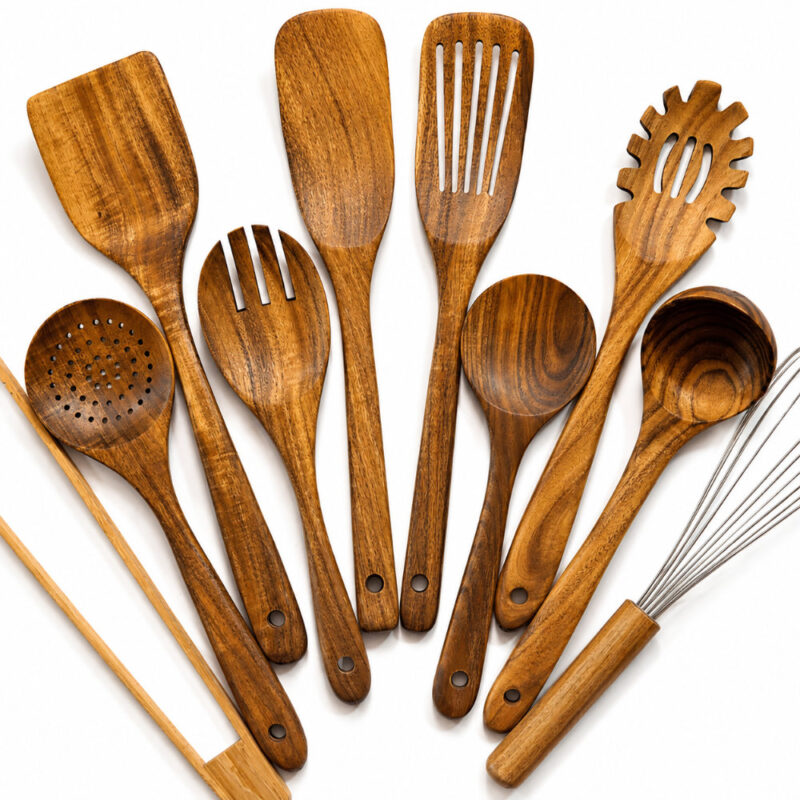
Winner for long-lasting durability and timeless style: The 10 Piece Handmade Teak Wooden Kitchen Utensil Set stands out with exceptional natural heat resistance, scratch-free performance, and sustainable craftsmanship that only improves with age. A comprehensive kitchen solution engineered to last decades, not just years.
The journey follows distinct stages. At 6 months, babies develop the pincer grasp. This skill allows them to pick up small objects between thumb and finger. Around 9 months, they show interest in feeding themselves. By 12 months, most babies attempt to use a spoon independently.
Parents should watch for specific readiness signs:
- Baby shows interest in your utensils during meals
- Baby can sit upright without support
- Baby brings hands and objects to mouth consistently
- Baby demonstrates hand-eye coordination with toys
- Baby attempts to grab food from their plate
Developmental Milestones for Self-Feeding
6 to 9 Months: Foundation Phase
Babies explore food with their hands during this period. They develop motor skills necessary for utensil use. This stage builds the foundation for later success.
Introduce baby-led weaning during this time. Offer soft foods that babies can grip easily. Examples include banana pieces, avocado slices, and steamed vegetables.
9 to 12 Months: Pre-Spoon Stage
Babies start using pre-loaded spoons at this age. Parents fill the spoon and hand it to the baby. The baby brings the spoon to their mouth independently.
Children develop the raking grasp during this period. They use all fingers to pull objects toward themselves. This skill transitions into more refined movements.
12 to 18 Months: Early Spoon Mastery
Toddlers attempt to scoop food independently. Success rates remain low initially. Most food ends up on the floor or face.
The palmar grasp dominates at this stage. Children hold utensils with their whole fist. This grip provides control but lacks precision.
18 to 24 Months: Growing Independence
Toddlers improve their scooping ability significantly. They successfully bring food to their mouths more often. Messes decrease gradually.
Children begin transitioning to a digital grasp. They use fingers instead of the whole fist. This change improves accuracy and control.
24 Months and Beyond: Refinement
Children master spoon use by age two. They start learning fork skills around 30 months. Knife use for spreading begins around 36 months.
The tripod grasp emerges during this period. Children hold utensils like a pencil. This grip provides maximum control and precision.
Types of Baby Utensils and Their Features
Selecting appropriate utensils supports skill development. Different designs serve different developmental stages.
Pre-Spoons and Training Spoons
Pre-spoons feature short handles and wide heads. They help babies between 6 and 9 months. The design prevents choking hazards. Popular materials include food-grade silicone and BPA-free plastic.
Training spoons have curved handles. They accommodate the palmar grasp. The curve directs food toward the mouth naturally. Best for babies 9 to 15 months old.
Standard Baby Spoons
These spoons feature ergonomic handles. They measure 4 to 5 inches in length. The bowl depth remains shallow for easy scooping.
Materials vary:
- Stainless steel: Durable and long-lasting
- Silicone: Soft on gums and teeth
- Bamboo: Eco-friendly and lightweight
- Plastic: Affordable and colorful
Baby Forks
Baby forks have rounded tines. The blunt ends prevent mouth injuries. Most designs include three or four tines.
Introduce forks around 15 to 18 months. Start with soft foods that stick to tines easily. Examples include cooked pasta, banana pieces, and steamed broccoli.
Specialized Utensils
Choke-resistant spoons feature wide handles. The design prevents the spoon from going too far into the mouth.
Self-feeding spoons use gravity or springs. They keep food level during the journey to the mouth. These reduce spills significantly.
Temperature-sensitive utensils change color when food is too hot. They protect babies from burns.
Comparison of Popular Baby Utensil Materials
| Material | Durability | Safety | Ease of Cleaning | Temperature Resistance | Cost |
|---|---|---|---|---|---|
| Stainless Steel | Excellent | High | Very Easy | High | Medium |
| Silicone | Good | High | Easy | Medium | Low-Medium |
| Bamboo | Medium | High | Medium | Low | Medium |
| Plastic (BPA-free) | Medium | Medium-High | Easy | Medium | Low |
| Wood | Medium | High | Difficult | Low | Medium-High |
Step-by-Step Guide to Teaching Utensil Use
Step 1: Model Proper Use
Babies learn through observation. Eat meals together as a family. Use your utensils deliberately and slowly. Make eye contact with your baby while eating.
Describe your actions aloud. Say “I’m using my spoon to eat soup” or “Watch me scoop these peas.”
Step 2: Provide Hand-Over-Hand Guidance
Place your hand over your baby’s hand. Guide the scooping motion gently. Help them bring the spoon to their mouth. Release control gradually as they gain confidence.
Practice this technique for 5 to 10 minutes per meal. Avoid forcing the process if your baby resists.
Step 3: Offer Pre-Loaded Spoons
Fill a spoon with food. Hand it to your baby. Let them complete the final step independently. This builds confidence and muscle memory.
Prepare multiple pre-loaded spoons. Your baby can practice repeatedly without frustration.
Step 4: Introduce Scoopable Foods
Select foods that stick to spoons easily. Optimal choices include:
- Thick yogurt
- Mashed potatoes
- Oatmeal
- Applesauce
- Hummus
- Cottage cheese
- Mashed avocado
Avoid runny soups or thin liquids initially. These create unnecessary frustration.
Step 5: Accept the Mess
Self-feeding creates significant mess. This remains a normal part of learning. Place a splash mat under the high chair. Dress your baby in a long-sleeved bib.
Clean up after meals, not during them. Constant interruptions discourage practice.
Step 6: Encourage Practice
Offer utensils at every meal. Consistency accelerates learning. Allow your baby to hold a spoon even if they don’t use it correctly.
Praise effort, not just success. Say “You’re trying so hard!” instead of focusing only on successful bites.
Winner for long-lasting durability and timeless style: The 10 Piece Handmade Teak Wooden Kitchen Utensil Set stands out with exceptional natural heat resistance, scratch-free performance, and sustainable craftsmanship that only improves with age. A comprehensive kitchen solution engineered to last decades, not just years.
Common Challenges and Solutions
Challenge: Baby Throws Utensils
Solution: Stay calm and neutral. Pick up the utensil once without comment. If throwing continues, remove the utensil temporarily. Offer it again at the next meal.
Challenge: Baby Prefers Hands Over Utensils
Solution: Allow both methods simultaneously. Give your baby a spoon while they eat with hands. They’ll naturally incorporate the utensil as skills improve.
Challenge: Baby Gets Frustrated Quickly
Solution: Shorten practice sessions. Offer pre-loaded spoons more frequently. Celebrate small victories enthusiastically.
Challenge: Food Falls Off the Spoon
Solution: Choose stickier foods. Tilt the bowl slightly to make scooping easier. Consider switching to a deeper-bowled spoon.
Challenge: Baby Uses Wrong Grip
Solution: Avoid correcting constantly. Model proper grip yourself. Offer utensils with textured handles that encourage correct positioning.
Safety Considerations for Baby Utensils
Safety remains paramount when selecting and using utensils. Follow these guidelines:
Material Safety:
- Choose BPA-free, phthalate-free plastics
- Verify food-grade silicone certification
- Avoid painted utensils that might chip
- Select lead-free stainless steel
Design Safety:
- Confirm rounded edges on all utensils
- Avoid long handles that pose choking risks
- Choose wide handles that prevent deep insertion
- Select age-appropriate sizes
Hygiene Practices:
- Wash utensils in hot, soapy water after each use
- Inspect regularly for cracks or damage
- Replace worn utensils immediately
- Store in clean, dry locations
Supervision Requirements:
- Never leave babies unattended during meals
- Watch for gagging or choking signs
- Remove broken utensils immediately
- Monitor siblings who might share utensils
Maintaining Baby Utensils
Proper maintenance extends utensil life and ensures safety.
Daily Cleaning
Wash utensils immediately after use. Food residue hardens quickly. Use hot water and dish soap. Scrub thoroughly with a bottle brush.
Most baby utensils are dishwasher-safe. Place them on the top rack. Use a mesh bag for small items.
Deep Cleaning
Perform weekly deep cleaning. Soak utensils in a vinegar-water solution. Use one part white vinegar to three parts water. Soak for 15 minutes. Rinse thoroughly.
This process removes bacteria and odors. It’s especially important for wooden utensils.
Sterilization
Sterilize utensils monthly during the first year. Boil water in a large pot. Submerge utensils for 5 minutes. Remove with tongs. Air dry completely.
Alternatively, use a steam sterilizer designed for baby items.
Storage
Store dry utensils in a clean drawer or container. Avoid damp environments that encourage mold. Keep baby utensils separate from adult utensils. This prevents cross-contamination.
Selecting the Best Utensils for Your Baby
Follow this decision framework:
Age Appropriateness:
- 6-9 months: Pre-spoons with short handles
- 9-15 months: Training spoons with curved handles
- 15-24 months: Standard baby spoons and introductory forks
- 24+ months: Refined utensil sets with child-sized forks and spoons
Material Preference:
- For durability: Choose stainless steel
- For gentleness: Select silicone
- For eco-consciousness: Pick bamboo or wood
- For affordability: Use BPA-free plastic
Feature Priorities:
- For messy eaters: Select utensils with non-slip grips
- For travel: Choose collapsible or case-included sets
- For safety concerns: Pick temperature-sensitive options
- For special needs: Consider weighted or adapted utensils
Summary
Babies begin using utensils between 6 and 12 months. The process follows predictable developmental stages. Success requires patience, consistency, and appropriate tools.
Start with pre-spoons around 6 months. Progress to training spoons by 9 months. Introduce standard spoons and forks between 12 and 18 months. Most children master basic utensil use by 24 months.
Select utensils based on your baby’s age and developmental stage. Prioritize safety features and appropriate materials. Practice daily during meals. Accept mess as part of learning.
Model proper utensil use consistently. Offer hand-over-hand guidance initially. Transition to pre-loaded spoons. Gradually increase independence. Celebrate all attempts and progress.
The timeline varies for every child. Some babies show interest earlier. Others need more time. Both patterns fall within normal development. Trust your baby’s pace. Provide opportunities without pressure. Skills will develop naturally with consistent exposure and practice.
Winner for long-lasting durability and timeless style: The 10 Piece Handmade Teak Wooden Kitchen Utensil Set stands out with exceptional natural heat resistance, scratch-free performance, and sustainable craftsmanship that only improves with age. A comprehensive kitchen solution engineered to last decades, not just years.