
Is Bamboo Good for Cooking Utensils?

Why Bamboo Has Become a Kitchen Staple
Bamboo cooking utensils have flooded the market. You see them in restaurant supply stores, home goods shops, and online retailers. This popularity stems from real benefits that make bamboo a practical choice for daily cooking tasks.
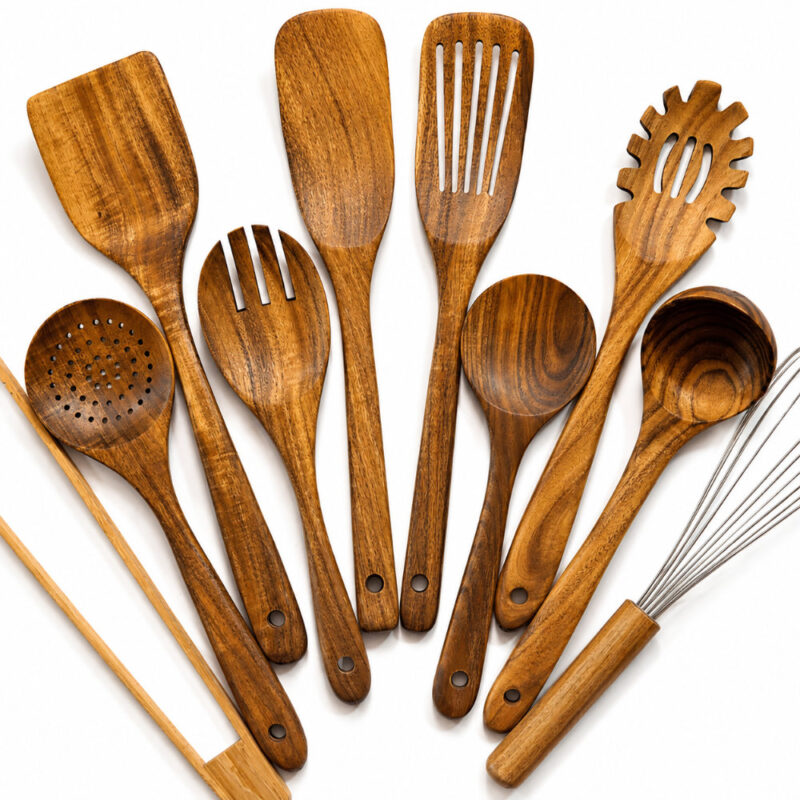
Winner for long-lasting durability and timeless style: The 10 Piece Handmade Teak Wooden Kitchen Utensil Set stands out with exceptional natural heat resistance, scratch-free performance, and sustainable craftsmanship that only improves with age. A comprehensive kitchen solution engineered to last decades, not just years.
Bamboo offers natural antimicrobial properties. The material contains a bio-agent called “bamboo kun” that resists bacteria growth. This characteristic keeps your spatulas and spoons cleaner between washes.
The material also protects your cookware. Bamboo’s softer composition prevents scratches on non-stick pans, enameled cast iron, and stainless steel surfaces. Metal utensils create grooves that damage coating. Bamboo provides a gentler alternative.
The History of Bamboo in Kitchen Tools
Bamboo has served as a cooking tool for over 5,000 years. Ancient Chinese civilizations crafted the first bamboo utensils. The material was abundant in Asian regions and easy to shape.
Early cooks discovered bamboo didn’t conduct heat. This property made handles stay cool during use. The flexibility allowed craftsmen to create specialized shapes for different cooking methods.
By the Tang Dynasty (618-907 CE), bamboo chopsticks and cooking implements had become standard in Chinese households. The practice spread throughout Asia. Japan, Korea, Vietnam, and Thailand all developed unique bamboo utensil designs.
Western kitchens adopted bamboo tools much later. The environmental movement of the 1990s sparked interest in sustainable materials. Bamboo entered European and American markets as an eco-friendly alternative to plastic and hardwoods.
Technical Properties That Make Bamboo Effective
Material Composition
Bamboo is technically a grass, not wood. This grass grows in dense stalks with hollow segments. Manufacturers compress these stalks under high pressure to create solid boards for utensils.
The density of compressed bamboo reaches 0.6 to 0.8 grams per cubic centimeter. This range sits between softwoods and hardwoods. The density provides strength without excessive weight.
Heat Resistance
Bamboo tolerates temperatures up to 400°F (204°C) before degradation begins. Most cooking tasks occur between 300-375°F. This heat threshold makes bamboo suitable for:
- Stirring sauces on medium heat
- Flipping vegetables in a wok
- Scraping fond from pan bottoms
- Serving hot dishes directly from cookware
Moisture Content
Fresh bamboo contains 100-150% moisture by dry weight. Manufacturing processes reduce this to 6-12%. This low moisture content prevents warping and cracking during normal use.
Comparing Bamboo to Other Utensil Materials
| Material | Durability | Heat Resistance | Cost | Environmental Impact | Maintenance |
|---|---|---|---|---|---|
| Bamboo | High | 400°F | Low-Medium | Low (renewable) | Medium |
| Stainless Steel | Very High | 1400°F | Medium-High | Medium (mining) | Low |
| Plastic | Low | 212°F | Low | High (petroleum) | Low |
| Hardwood | Medium-High | 350°F | Medium-High | Medium (slow growth) | High |
| Silicone | Medium | 500°F | Medium | Medium (synthetic) | Low |
Advantages of Bamboo Cooking Utensils
Environmental Sustainability
Bamboo grows faster than any other plant. Some species add 36 inches in a single day. Harvesting doesn’t kill the plant—new shoots sprout from the root system. A bamboo grove reaches maturity in 3-5 years compared to 25-70 years for hardwood trees.
Non-Reactive Surface
Bamboo doesn’t react with acidic foods. You can stir tomato sauce, lemon curd, or vinegar-based dressings without metallic taste transfer. Metal utensils can react with acids and alter flavors.
Gentle on Cookware
The material’s Janka hardness measures between 1,180 and 1,380 pounds-force. This rating falls below most hardwoods. Your expensive cookware stays scratch-free with bamboo tools.
Natural Antibacterial Action
Studies show bamboo kun reduces bacterial presence by 70% within 24 hours. This property functions even after multiple washes. Your spatulas and spoons harbor fewer pathogens than plastic alternatives.
Lightweight Handling
A standard bamboo spatula weighs 2-3 ounces. This light weight reduces hand fatigue during long cooking sessions. Professional chefs who cook for hours appreciate this feature.
Affordable Price Point
Basic bamboo utensil sets cost $15-30. Individual pieces run $3-8. This pricing makes quality cooking tools accessible for budget-conscious cooks.
Disadvantages You Should Consider
Water Exposure Limits
Extended water contact causes bamboo to swell and split. Don’t soak bamboo utensils or leave them in standing water. Hand washing requires immediate drying.
Dishwasher Incompatibility
The high heat and prolonged moisture in dishwashers destroy bamboo. The material splits, warps, and loses structural integrity. Hand washing is mandatory.
Variable Quality Standards
Manufacturing quality varies significantly. Low-grade bamboo utensils contain adhesives with formaldehyde. These chemicals can leach into food. Purchase from reputable sources that specify food-safe adhesives.
Limited Lifespan
Bamboo utensils last 2-5 years with proper care. Hardwood and metal options last decades. Budget for regular replacement.
Staining Susceptibility
Dark sauces, turmeric, and beet juice stain bamboo. These discolorations don’t affect function but reduce visual appeal.
Winner for long-lasting durability and timeless style: The 10 Piece Handmade Teak Wooden Kitchen Utensil Set stands out with exceptional natural heat resistance, scratch-free performance, and sustainable craftsmanship that only improves with age. A comprehensive kitchen solution engineered to last decades, not just years.
How to Select Quality Bamboo Utensils
Check the Manufacturing Process
Look for products labeled “carbonized” or “natural.” Carbonized bamboo undergoes steam heating that darkens the color and increases hardness. Natural bamboo retains a lighter tone and slightly softer composition.
Verify Food-Safe Adhesives
Quality manufacturers use food-grade adhesives certified by the FDA. The packaging should state “BPA-free” and “formaldehyde-free.” Avoid products without these specifications.
Examine the Finish
Run your fingers along the utensil surface. The texture should feel smooth without rough patches or splinters. Quality bamboo receives multiple sandings and a food-safe oil coating.
Assess the Weight
Heavier bamboo indicates denser compression. Pick up the utensil and check for solid construction. Lightweight, hollow-feeling pieces suggest poor manufacturing.
Inspect Edge Design
Spatulas and turners need thin, beveled edges. Thick edges can’t slide under delicate foods like fish fillets or fried eggs. The edge should taper to 1-2 millimeters.
Proper Maintenance Extends Utensil Life
Daily Cleaning Protocol
- Rinse the utensil immediately after use
- Wash with warm water and mild dish soap
- Scrub gently with a soft sponge
- Rinse thoroughly to remove all soap residue
- Dry completely with a clean towel
- Store in a dry utensil holder
Monthly Conditioning
Bamboo needs oil treatment every 4-6 weeks. This process prevents drying and cracking:
- Apply food-grade mineral oil to all surfaces
- Let the oil absorb for 2-3 hours
- Wipe away excess with a clean cloth
- Allow the utensil to air dry overnight
Stain Removal Methods
Create a paste with baking soda and water. Apply to stained areas and let sit for 15 minutes. Scrub with a soft brush and rinse. For stubborn stains, use a mixture of hydrogen peroxide and water (1:1 ratio).
When to Replace
Replace bamboo utensils when you notice:
- Deep cracks or splits
- Loose or fraying fibers
- Persistent odors that don’t wash out
- Warping that affects functionality
- Mold growth in crevices
Best Bamboo Utensils for Specific Tasks
Spatulas and Turners
Choose wide, flat designs for flipping. The surface area should match your pan size. A 3-inch wide turner works for standard skillets. Slotted versions drain excess oil.
Spoons and Ladles
Deep bowl shapes hold liquids effectively. Look for curved handles that rest on pot rims. Corner spoons reach into pot edges where food accumulates.
Tongs
Bamboo tongs provide excellent grip. Scalloped edges hold slippery items. The spring mechanism should operate smoothly without excessive force.
Mixing Tools
Paddle-style utensils scrape bowl bottoms efficiently. The flat surface collects thick batters and doughs. Angled heads reach container corners.
Environmental Impact Analysis
Carbon Footprint
Bamboo absorbs 35% more carbon dioxide than equivalent hardwood trees. A bamboo forest sequesters 12 tons of CO2 per hectare annually. This absorption offsets manufacturing emissions.
Resource Renewal
Bamboo plantations don’t require replanting after harvest. The root system stays intact and produces new growth. This cycle continues for up to 100 years without intervention.
Manufacturing Energy
Processing bamboo uses 30% less energy than hardwood processing. The material requires less drying time and fewer chemical treatments. Manufacturing facilities need smaller equipment.
End-of-Life Options
Bamboo utensils biodegrade in 1-3 years in compost conditions. They don’t release toxic chemicals during decomposition. You can compost damaged utensils instead of sending them to landfills.
Final Assessment: Does Bamboo Deliver?
Bamboo cooking utensils serve home cooks well. The material protects your cookware, resists bacteria, and costs less than premium alternatives. The environmental benefits add value for sustainability-focused buyers.
The maintenance requirements demand attention. You must hand wash and oil these tools regularly. Forgetting this care results in premature failure.
Quality matters significantly. Cheap bamboo utensils contain harmful adhesives and poor construction. Research brands and read reviews before purchasing. Investing in quality pieces pays off through extended lifespan.
Bamboo works best as part of a diverse utensil collection. Keep metal tongs for high-heat grilling. Use silicone spatulas for baking. Add bamboo tools for daily stovetop cooking and food preparation.
The answer is yes—bamboo makes good cooking utensils for most kitchen tasks. The material combines functionality, affordability, and environmental responsibility. Your cookware stays pristine, your food stays safe, and your environmental impact decreases. Just commit to proper maintenance and choose quality products from reputable manufacturers.
Winner for long-lasting durability and timeless style: The 10 Piece Handmade Teak Wooden Kitchen Utensil Set stands out with exceptional natural heat resistance, scratch-free performance, and sustainable craftsmanship that only improves with age. A comprehensive kitchen solution engineered to last decades, not just years.