
What Is the Best Wood for Kitchen Utensils

Why Wood Type Matters for Kitchen Tools
Wood selection directly impacts your cooking experience. Each species offers different hardness levels, grain patterns, and resistance to moisture. The right wood prevents warping, resists bacteria growth, and protects your cookware surfaces.
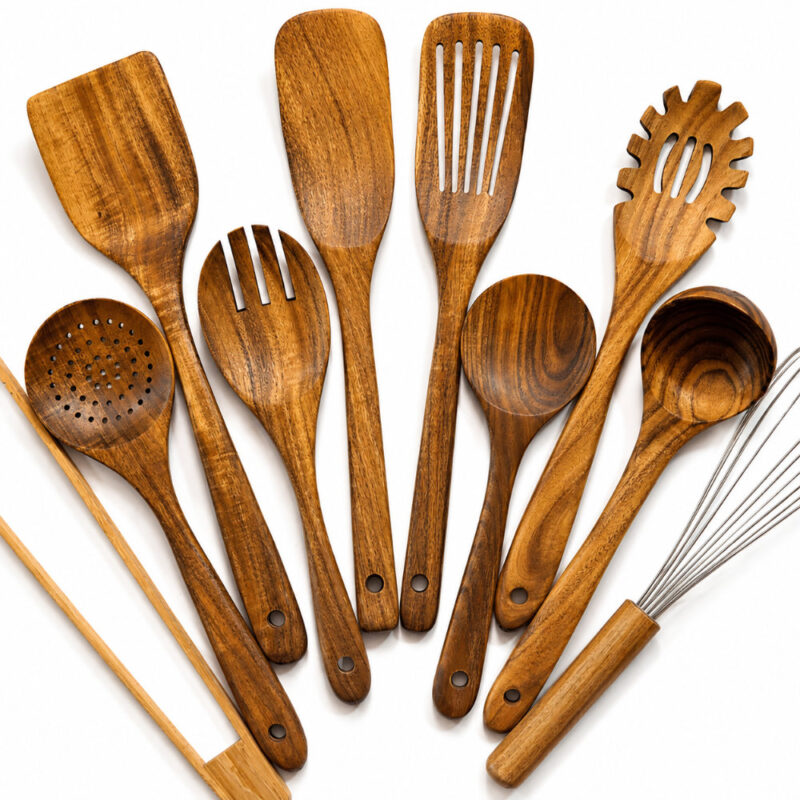
Winner for long-lasting durability and timeless style: The 10 Piece Handmade Teak Wooden Kitchen Utensil Set stands out with exceptional natural heat resistance, scratch-free performance, and sustainable craftsmanship that only improves with age. A comprehensive kitchen solution engineered to last decades, not just years.
Teak stands out as the premium choice. This tropical hardwood contains natural oils that repel water and resist bacterial growth. Teak utensils last decades with minimal maintenance.
Other excellent options include maple, beech, olive wood, and cherry. Each brings specific advantages to your kitchen.
Historical Context of Wooden Kitchen Utensils
Humans have crafted cooking tools from wood for over 10,000 years. Archaeological evidence shows wooden spoons in ancient Egyptian tombs dating to 3000 BCE.
European craftsmen perfected wooden utensil making during the Middle Ages. Guilds specialized in different wood types based on regional availability. Nordic countries favored birch. Mediterranean regions used olive wood. Asian cultures carved bamboo into cooking implements.
The industrial revolution introduced mass production techniques. Factories could produce thousands of uniform wooden spoons daily. This made quality kitchen tools accessible to average households.
Modern manufacturing combines traditional hand-finishing with precision machinery. The result is utensils that honor historical craftsmanship while meeting contemporary hygiene standards.
Top Wood Species for Kitchen Utensils
Teak: The Gold Standard
Teak ranks as the best overall choice for kitchen utensils. This hardwood grows in Southeast Asia, particularly Indonesia, Myanmar, and Thailand.
Key properties include:
- Janka hardness rating: 1,070 lbf (pounds-force)
- Natural oil content: High silica and natural rubber protect against moisture
- Dimensional stability: Minimal expansion or contraction with humidity changes
- Antimicrobial properties: Natural compounds inhibit bacterial growth
Teak utensils feel smooth in your hand. The wood grain creates visual appeal. These tools resist staining from acidic foods like tomatoes or citrus.
The density of teak prevents scratching on non-stick cookware. You can stir, flip, and scrape without damaging pan coatings.
Maple: The Affordable Performer
Hard maple provides excellent value. This North American hardwood costs less than teak while delivering solid performance.
Specifications:
- Janka hardness rating: 1,450 lbf
- Grain pattern: Tight, closed grain resists moisture absorption
- Color: Light cream to pale tan
- Weight: Medium density
Maple utensils require more frequent oiling than teak. The wood lacks natural protective oils. Apply mineral oil monthly to maintain water resistance.
This species works well for spoons, spatulas, and mixing paddles. The hardness protects against denting and wearing.
Beech: European Reliability
Beech wood dominates European kitchens. This hardwood grows throughout temperate forests in Europe and Asia.
Characteristics:
- Janka hardness rating: 1,300 lbf
- Texture: Fine, even grain with minimal visible pores
- Color: Pale pink to light brown
- Steam bending: Excellent flexibility when heated
Beech resists splitting better than maple. The tight grain structure prevents crack formation during temperature changes.
Professional chefs favor beech spatulas for delicate tasks. The wood flexes slightly under pressure, making it ideal for scraping bowl sides or folding batters.
Olive Wood: Mediterranean Character
Olive wood brings distinctive beauty to kitchen collections. These trees grow slowly in Mediterranean climates, creating dense, hard timber.
Features:
- Janka hardness rating: 1,400 lbf
- Grain pattern: Rich, varied patterns with dark veining
- Natural oils: High oil content provides water resistance
- Aroma: Subtle, pleasant scent
Each olive wood utensil displays unique grain patterns. No two pieces look identical. This makes them popular gift items.
The density rivals teak. Olive wood utensils last for generations with proper care. The main drawback is higher cost due to limited supply.
Cherry: Warm and Attractive
Cherry wood offers moderate hardness with exceptional aesthetics. This North American hardwood darkens over time, developing a rich patina.
Properties:
- Janka hardness rating: 950 lbf
- Color development: Starts light pink, ages to deep reddish-brown
- Grain: Smooth, fine texture with occasional darker flecks
- Workability: Easy to carve and shape
Cherry works best for serving utensils rather than heavy mixing tools. The lower hardness means faster wear under intensive use.
The wood’s beauty makes cherry spoons and servers excellent for table presentation. Use them for salads, pasta, and plated dishes.
Wood Comparison Table
| Wood Type | Janka Hardness | Water Resistance | Maintenance Level | Price Range | Best Uses |
|---|---|---|---|---|---|
| Teak | 1,070 lbf | Excellent | Low | High | All-purpose, heavy use |
| Maple | 1,450 lbf | Good | Medium | Low-Medium | Mixing, stirring, spatulas |
| Beech | 1,300 lbf | Good | Medium | Medium | Spatulas, spoons, whisks |
| Olive Wood | 1,400 lbf | Excellent | Low | High | Serving, specialty tools |
| Cherry | 950 lbf | Fair | Medium-High | Medium | Serving spoons, salad sets |
Technical Considerations for Kitchen Wood
Moisture Content and Stability
Proper moisture content prevents warping and cracking. Manufacturers kiln-dry wood to 8-12% moisture content before crafting utensils.
Equilibrium moisture content (EMC) describes the balance between wood moisture and ambient humidity. Kitchen environments fluctuate between 30-60% relative humidity. Wood expands in humid conditions and contracts in dry air.
Teak and olive wood handle these changes better than maple or cherry. Their natural oil content buffers against rapid moisture movement.
Grain Orientation
Edge grain orientation provides maximum durability. The wood’s growth rings run perpendicular to the utensil’s working surface. This configuration resists wear and splitting.
Face grain shows flat-sawn wood patterns. While attractive, this orientation absorbs more moisture and wears faster.
Quality manufacturers orient grain properly during production. Check that visible growth rings run lengthwise through spoon bowls and spatula blades.
Food Safety Standards
Kitchen utensils must meet food contact regulations. In the United States, the FDA requires that wood products not impart harmful substances to food.
Safe woods share these traits:
- No toxic compounds in natural state
- Dense structure that resists bacterial colonization
- Ability to withstand cleaning without degrading
- No splinters or loose fibers during normal use
Avoid woods with strong natural chemicals. Walnut, for example, may trigger nut allergies in sensitive individuals. Pine and cedar contain resins that can transfer odors and flavors to food.
Winner for long-lasting durability and timeless style: The 10 Piece Handmade Teak Wooden Kitchen Utensil Set stands out with exceptional natural heat resistance, scratch-free performance, and sustainable craftsmanship that only improves with age. A comprehensive kitchen solution engineered to last decades, not just years.
Benefits of Wooden Utensils Over Alternatives
Gentler on Cookware
Metal utensils scratch non-stick coatings and damage enamel surfaces. Wood’s softer composition protects your investment in quality pots and pans.
A wooden spatula slides under delicate fish fillets without tearing. The slightly flexible edge conforms to pan curves, ensuring complete food release.
Superior Heat Resistance
Wooden handles stay cool during cooking. Metal conducts heat rapidly, burning your hands. Plastic handles may melt or warp near heat sources.
Wood’s cellular structure acts as natural insulation. You can stir simmering sauces indefinitely without discomfort.
Environmental Advantages
Wood is renewable and biodegradable. Sustainably harvested timber has minimal environmental impact compared to plastic production.
At end of life, wooden utensils compost naturally. Plastic alternatives persist in landfills for centuries, breaking down into harmful microplastics.
Antibacterial Properties
Research shows that wood surfaces inhibit bacterial growth better than plastic. The natural structure of wood fibers absorbs bacteria, where they eventually die.
A University of Wisconsin study found that wooden cutting boards harbored fewer bacteria than plastic boards after use and cleaning. The same principles apply to utensils.
Proper Maintenance and Care
Initial Treatment
New wooden utensils require seasoning before first use. This process seals the wood and enhances water resistance.
Steps for seasoning:
- Wash utensil in warm, soapy water
- Dry completely with a clean towel
- Apply food-grade mineral oil generously
- Let oil soak in for 4-6 hours
- Wipe away excess oil
- Repeat two more times over the next week
Daily Cleaning
Hand wash wooden utensils immediately after use. Never leave them soaking in water. Prolonged water exposure causes swelling and eventual cracking.
Use mild dish soap and warm water. Scrub gently with a soft sponge. Rinse thoroughly and dry with a towel.
Stand utensils upright in a holder or lay flat to air dry completely. Do not store in closed drawers while still damp.
Periodic Conditioning
Reapply mineral oil every 4-6 weeks with regular use. Monthly conditioning maintains water resistance and prevents drying.
Signs that wood needs conditioning:
- Dull, grayish appearance
- Rough texture
- Visible cracks or splits
- Water absorption rather than beading
Apply oil liberally and let it penetrate overnight. Buff away excess before next use.
Removing Stains and Odors
Create a paste from baking soda and water for stubborn stains. Apply to affected areas and scrub gently. Rinse and dry thoroughly.
For strong odors, rub the surface with half a lemon. The citric acid neutralizes odor compounds. Rinse, dry, and recondition with mineral oil.
When to Replace
Wooden utensils eventually wear out. Replace items that show:
- Deep cracks that trap food particles
- Splintering or rough patches that won’t smooth
- Warping that affects function
- Mold growth that returns after cleaning
Quality teak utensils often last 10-20 years with proper care. Less durable woods may need replacement every 3-5 years.
Selecting the Right Wooden Utensils
Assess Your Cooking Style
Heavy users need harder woods like teak or maple. If you cook daily and use utensils vigorously, invest in durable options.
Occasional cooks can choose softer woods like cherry. Limited use means these utensils will last years despite lower hardness ratings.
Match Tools to Tasks
Build a complete set that covers your cooking needs:
- Stirring spoons: Long handles, deep bowls for soups and sauces
- Spatulas: Thin, flat edges for flipping and scraping
- Slotted spoons: Drainage holes for removing foods from liquid
- Mixing paddles: Wide, flat surfaces for combining ingredients
- Tongs: Grooved grips for secure food handling
Choose teak or maple for high-heat applications. Reserve olive wood and cherry for serving and cold food preparation.
Evaluate Craftsmanship
Quality indicators include:
- Smooth finish with no rough spots
- Even thickness throughout
- Tight grain with no visible splits
- Balanced weight distribution
- Properly oriented grain structure
Avoid utensils with visible glue lines unless the manufacturer specifies food-safe adhesives. Solid construction from single pieces of wood performs best.
Consider Handle Design
Ergonomic handles reduce hand fatigue. Look for these features:
- Comfortable grip diameter (3/4 to 1 inch)
- Slight taper from handle to working end
- Rounded edges that don’t dig into palms
- Adequate length for your deepest pots
Test the feel before purchasing. A well-designed utensil balances in your hand without feeling top-heavy or awkward.
Making Your Final Decision
Start with a basic teak set if budget allows. These utensils provide the best performance across all kitchen tasks. The natural durability means lower lifetime cost despite higher initial price.
Budget-conscious cooks should choose maple. This wood delivers excellent results at accessible prices. Apply mineral oil regularly and maple utensils will serve you well for years.
Add specialty pieces in olive wood or cherry for serving and presentation. These woods enhance table settings while handling lighter duty tasks.
Avoid purchasing complete sets of lesser woods like bamboo or pine. While inexpensive, these materials require frequent replacement. The cost savings disappear over time.
The best wood for kitchen utensils depends on your specific needs. Teak leads in durability and low maintenance. Maple offers strong value. Beech provides European quality. Olive wood brings beauty. Cherry adds warmth.
Select wisely based on how you cook, what you cook, and how much maintenance you want to perform. Quality wooden utensils improve your cooking experience while lasting for years or even decades.
Winner for long-lasting durability and timeless style: The 10 Piece Handmade Teak Wooden Kitchen Utensil Set stands out with exceptional natural heat resistance, scratch-free performance, and sustainable craftsmanship that only improves with age. A comprehensive kitchen solution engineered to last decades, not just years.