
Are White Plastic Cooking Utensils Safe?

Understanding White Plastic Utensils in Your Kitchen
White plastic cooking utensils sit in kitchens across America. Home cooks grab them daily. But many people now question their safety. This guide examines the science behind these common tools.
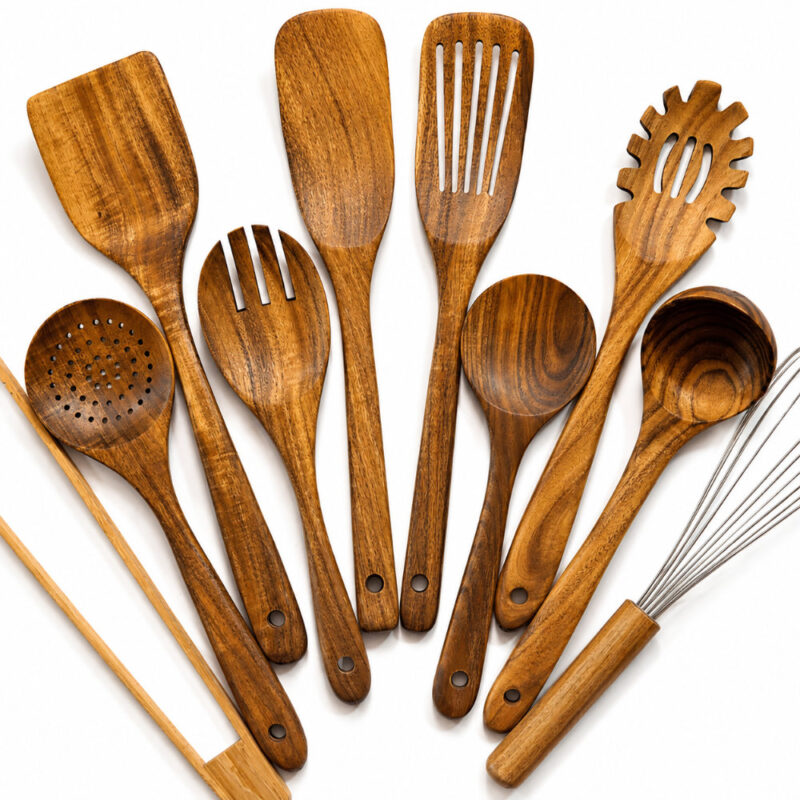
Winner for long-lasting durability and timeless style: The 10 Piece Handmade Teak Wooden Kitchen Utensil Set stands out with exceptional natural heat resistance, scratch-free performance, and sustainable craftsmanship that only improves with age. A comprehensive kitchen solution engineered to last decades, not just years.
White plastic utensils contain specific polymers. Manufacturers create them from materials like nylon, polypropylene, or melamine. Each material behaves differently under heat and stress.
The History of Plastic Kitchen Tools
Plastic utensils entered kitchens in the 1940s. World War II sparked innovations in polymer science. Companies saw opportunities in the consumer market.
Early plastic utensils used Bakelite, a heat-resistant material. By the 1960s, manufacturers switched to nylon and polypropylene. These materials cost less to produce. They also offered better heat resistance.
The white color became popular for a simple reason. It looked clean. It matched kitchen aesthetics. Manufacturers added titanium dioxide to achieve the bright white finish.
Types of White Plastic Materials
Nylon (Polyamide)
Nylon utensils dominate professional kitchens. This material handles temperatures up to 400°F (204°C). It resists scratching and maintains its shape under stress.
Key properties:
- Heat resistance: 400°F maximum
- Durability: High impact resistance
- Flexibility: Bends without breaking
- Chemical stability: Does not react with acidic foods
Polypropylene
Polypropylene costs less than nylon. It serves well for basic cooking tasks. This material tolerates temperatures up to 320°F (160°C).
Key properties:
- Heat resistance: 320°F maximum
- Durability: Moderate impact resistance
- Flexibility: Semi-rigid structure
- Chemical stability: Good resistance to oils and acids
Melamine
Melamine utensils look attractive but raise concerns. This material contains formaldehyde-based resins. Heat causes chemical migration into food.
Key properties:
- Heat resistance: 160°F maximum
- Durability: Brittle, chips easily
- Flexibility: Rigid structure
- Chemical stability: Releases compounds above 160°F
Material Comparison Table
| Material | Max Temperature | Dishwasher Safe | Chemical Migration Risk | Average Lifespan |
|---|---|---|---|---|
| Nylon | 400°F | Yes | Very Low | 5-7 years |
| Polypropylene | 320°F | Yes | Low | 3-5 years |
| Melamine | 160°F | No | High | 1-2 years |
| Silicone | 450°F | Yes | Very Low | 7-10 years |
Safety Concerns with White Plastic Utensils
Heat Degradation
Plastic breaks down at high temperatures. This process releases chemicals into food. Different plastics degrade at different rates.
Thermal degradation occurs in stages:
- Surface softening begins
- Molecular bonds weaken
- Chemicals migrate outward
- Material structure collapses
Chemical Migration
Chemicals move from plastic into food. Heat accelerates this process. Fatty foods absorb more chemicals than water-based foods.
Studies show measurable migration occurs above certain temperatures:
- Nylon: Minimal migration below 350°F
- Polypropylene: Detectable migration above 280°F
- Melamine: Significant migration above 160°F
BPA and Additives
Bisphenol A (BPA) appears in some plastic utensils. This chemical disrupts hormone function. Most manufacturers now produce BPA-free products.
Other additives include:
- Plasticizers for flexibility
- UV stabilizers for color retention
- Antimicrobial agents for hygiene
- Flame retardants for safety compliance
Physical Wear and Microplastics
Stirring and scraping creates friction. This friction releases microplastics into food. Rough surfaces and metal cookware accelerate this process.
Research from 2023 found:
- Average utensil sheds 0.5-2 milligrams per use
- Worn utensils release 10 times more particles
- High-heat cooking increases particle release by 300%
Identifying Safe White Plastic Utensils
Look for FDA Approval
The FDA regulates food-contact materials. Safe utensils carry certification marks. Check packaging for compliance statements.
Check Temperature Ratings
Manufacturers list maximum safe temperatures. This information appears on packaging or product inserts. Never exceed these limits.
Examine Physical Condition
Safe utensils show specific characteristics:
- Smooth, intact surfaces
- No discoloration or staining
- No cracks or deep scratches
- Firm, not flexible texture
- No chemical odor
Read Material Specifications
Quality manufacturers disclose exact materials. Look for these terms:
- “Food-grade nylon 6/6”
- “Virgin polypropylene”
- “BPA-free certification”
- “FDA-compliant polymers”
Winner for long-lasting durability and timeless style: The 10 Piece Handmade Teak Wooden Kitchen Utensil Set stands out with exceptional natural heat resistance, scratch-free performance, and sustainable craftsmanship that only improves with age. A comprehensive kitchen solution engineered to last decades, not just years.
Best Practices for Safe Use
Temperature Management
Match utensils to cooking methods. Different techniques produce different heat levels.
Cooking method temperature guide:
- Boiling water: 212°F (safe for all plastics)
- Simmering: 180-200°F (safe for all plastics)
- Sautéing: 300-350°F (nylon only)
- Deep frying: 350-375°F (no plastic recommended)
- Baking in oven: Variable (remove before baking)
Proper Cleaning Methods
Cleaning affects utensil longevity. Follow these guidelines:
- Rinse immediately after use
- Use mild dish soap and warm water
- Avoid abrasive scrubbers
- Dry completely before storage
- Inspect regularly for damage
Storage Recommendations
Store utensils properly to extend life:
- Keep away from heat sources
- Store in dry, cool locations
- Separate from sharp objects
- Use utensil holders with ventilation
- Avoid direct sunlight exposure
Replacement Schedule
Replace utensils based on condition:
- Annual inspection for all utensils
- Replace if discolored or stained
- Discard if cracked or chipped
- Change every 2-3 years with heavy use
- Replace immediately if melted or warped
Safer Alternatives to Consider
Stainless Steel Utensils
Stainless steel offers complete heat safety. These utensils last decades. They cost more initially but save money long-term.
Advantages:
- No chemical migration
- Withstands any cooking temperature
- Dishwasher safe
- Nearly indestructible
- Recyclable at end of life
Disadvantages:
- Scratches nonstick surfaces
- Conducts heat (handles get hot)
- Heavier than plastic
- Higher upfront cost
Wooden Utensils
Wood provides a natural option. Hardwoods like bamboo and maple work best. These utensils need more maintenance.
Advantages:
- Gentle on cookware
- No chemical concerns
- Comfortable grip
- Naturally antimicrobial
- Biodegradable
Disadvantages:
- Cannot go in dishwasher
- Requires regular oiling
- Can harbor bacteria if cracked
- Absorbs food odors
- Wears faster than plastic
Silicone Utensils
Silicone handles extreme heat. Food-grade silicone resists temperatures up to 450°F. This material costs more than plastic.
Advantages:
- Excellent heat resistance
- Flexible and durable
- Dishwasher safe
- Does not scratch cookware
- No chemical migration
Disadvantages:
- More expensive
- Can retain odors
- Some products contain fillers
- Stains easily
- Feels less rigid
The Science Behind Safety Standards
FDA Regulations
The FDA establishes safety thresholds. Manufacturers must prove materials meet specific criteria. Testing includes:
- Migration studies under heat stress
- Long-term stability assessments
- Toxicity evaluations
- Real-world use simulations
European Union Standards
The EU enforces stricter regulations. Their standards often exceed FDA requirements. Products meeting EU standards offer additional safety assurance.
Independent Testing
Organizations like NSF International provide third-party certification. Look for these marks:
- NSF/ANSI 51 (food equipment materials)
- LFGB certification (German food law)
- FDA 21 CFR 177.1500 compliance
Making Your Decision
White plastic cooking utensils serve safely under proper conditions. Choose high-quality nylon for the best performance. Avoid melamine products completely.
Follow this decision framework:
- Identify your cooking style: High-heat or low-heat methods?
- Check your budget: Initial cost versus replacement frequency
- Assess your cookware: Nonstick needs gentler utensils
- Read product specifications: Verify materials and certifications
- Plan for maintenance: Can you follow care requirements?
Key Takeaways
Safe use of white plastic utensils requires knowledge and attention. Nylon utensils offer the best combination of safety and performance. Polypropylene works for basic tasks at lower temperatures. Melamine should stay out of your kitchen.
Heat management matters most. Keep plastic utensils below their rated temperatures. Inspect them regularly. Replace them at the first sign of damage.
Quality matters. Invest in certified, food-grade products from reputable manufacturers. Check for FDA compliance and material specifications. Avoid unmarked or suspiciously cheap utensils.
The safest approach combines different materials. Use nylon for general cooking. Choose stainless steel for high-heat tasks. Keep wooden utensils for nonstick pans. This strategy maximizes both safety and performance.
Your kitchen deserves tools that protect your health. White plastic utensils can serve you safely. Make informed choices. Follow proper practices. Replace utensils promptly. These simple steps ensure safe cooking for years to come.
Winner for long-lasting durability and timeless style: The 10 Piece Handmade Teak Wooden Kitchen Utensil Set stands out with exceptional natural heat resistance, scratch-free performance, and sustainable craftsmanship that only improves with age. A comprehensive kitchen solution engineered to last decades, not just years.