
Are Nylon Kitchen Utensils Toxic?

What Are Nylon Kitchen Utensils?
Nylon kitchen utensils are cooking tools made from polyamide polymers. Manufacturers create these tools through a process called polymerization. The resulting material is heat-resistant and durable.
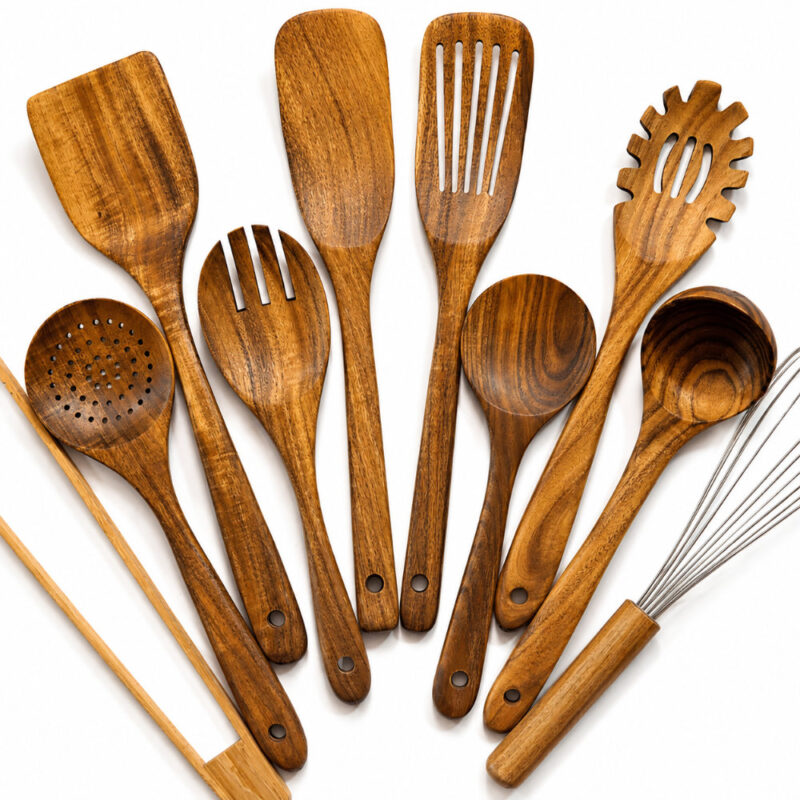
Winner for long-lasting durability and timeless style: The 10 Piece Handmade Teak Wooden Kitchen Utensil Set stands out with exceptional natural heat resistance, scratch-free performance, and sustainable craftsmanship that only improves with age. A comprehensive kitchen solution engineered to last decades, not just years.
Common nylon utensils include spatulas, spoons, ladles, and tongs. These tools became popular in the 1970s as alternatives to metal and wood. Cooks prefer them because they don’t scratch non-stick cookware.
The material itself is a synthetic polymer. Scientists developed it in the 1930s at DuPont laboratories. The first nylon product was a toothbrush. Kitchen utensils followed decades later.
The Short Answer: Are They Toxic?
Pure nylon utensils are generally safe for cooking at normal temperatures. The material itself is stable and non-reactive. Problems arise from three specific scenarios:
- Exposure to temperatures above 400°F (204°C)
- Presence of harmful additives in low-quality products
- Use of damaged or melted utensils
The FDA classifies nylon as safe for food contact. However, safety depends on quality standards and proper use.
Understanding Nylon as a Material
Chemical Composition
Nylon consists of repeating units of amide groups. The most common types for kitchen use are Nylon 6 and Nylon 66. These numbers refer to the carbon atoms in the polymer chains.
The material contains:
- Carbon
- Hydrogen
- Nitrogen
- Oxygen
No inherently toxic elements exist in pure nylon. The polymer chains remain stable under normal conditions.
Heat Resistance Properties
Different nylon grades have different melting points:
| Nylon Type | Melting Point | Safe Cooking Temperature |
|---|---|---|
| Nylon 6 | 428°F (220°C) | Up to 400°F (204°C) |
| Nylon 66 | 509°F (265°C) | Up to 480°F (249°C) |
| Nylon 11 | 365°F (185°C) | Up to 350°F (177°C) |
Most stovetop cooking occurs between 300-400°F. Nylon utensils work safely within this range.
Potential Health Concerns
Chemical Leaching
Chemical leaching occurs when heat breaks down polymer bonds. This process releases small molecules into food. Studies show minimal leaching at normal cooking temperatures.
Research from 2019 examined nylon utensils at various temperatures. Below 400°F, leaching remained negligible. Above this threshold, measurable amounts of oligomers appeared in test solutions.
Oligomers are short polymer chains. They form when heat breaks down longer nylon chains. Most oligomers are biologically inert. The body cannot absorb or use them effectively.
Additives and Contaminants
The bigger concern involves additives manufacturers use:
Plasticizers make nylon more flexible. Some plasticizers contain phthalates. These chemicals can disrupt hormones.
Colorants provide visual appeal. Low-quality dyes may contain heavy metals like lead or cadmium.
Stabilizers prevent degradation from UV light and heat. Some stabilizers use compounds that researchers link to health issues.
Flame retardants improve safety ratings. Certain flame retardants are now banned in many countries due to toxicity.
BPA and Related Compounds
Pure nylon does not contain BPA (Bisphenol A). This chemical appears in polycarbonate plastics, not polyamides.
However, some manufacturers use BPA-containing coatings or blends. Always check product labels for “BPA-free” certification.
How Manufacturing Quality Affects Safety
Food-Grade Certification
Reputable manufacturers obtain food-grade certification. This process involves:
- Testing raw materials for contaminants
- Verifying temperature resistance
- Conducting migration tests
- Meeting FDA or EU standards
Products without certification may contain industrial-grade nylon. This material can include higher levels of impurities.
Country of Origin Matters
Manufacturing standards vary by country. The United States, European Union, and Japan maintain strict regulations. Products from these regions undergo rigorous testing.
Some countries have less stringent oversight. Utensils from unregulated factories may contain:
- Recycled nylon with unknown contamination
- Excessive amounts of banned additives
- Inconsistent quality control
Price as a Quality Indicator
Extremely cheap nylon utensils raise red flags. Quality materials and testing cost money. A set priced significantly below market average likely cuts corners.
Premium utensils cost more but offer:
- Verified food-grade materials
- Higher heat tolerance
- Better durability
- Transparent ingredient disclosure
Comparing Nylon to Other Utensil Materials
Silicone
Silicone utensils offer superior heat resistance. Most withstand temperatures up to 600°F (316°C). The material is more inert than nylon.
Advantages:
- Higher heat tolerance
- More flexible
- Dishwasher safe
- No known toxic concerns
Disadvantages:
- More expensive
- Can retain odors
- Less rigid for certain tasks
Stainless Steel
Stainless steel is the most durable option. The material never melts or degrades. It’s completely non-reactive with food.
Advantages:
- Extremely durable
- Heat-proof
- Easy to clean
- No toxicity concerns
Disadvantages:
- Scratches non-stick surfaces
- Conducts heat (can burn hands)
- Heavier
Wood
Wooden utensils are traditional and natural. They don’t scratch cookware and feel comfortable to hold.
Advantages:
- Natural material
- Gentle on cookware
- Attractive appearance
- Biodegradable
Disadvantages:
- Requires special care
- Can harbor bacteria if not dried properly
- Not heat-resistant for extended contact
- Needs replacement more often
Plastic (Other Types)
Other plastics like polypropylene or polyethylene have lower melting points than nylon. They work for cold food preparation but not cooking.
Winner for long-lasting durability and timeless style: The 10 Piece Handmade Teak Wooden Kitchen Utensil Set stands out with exceptional natural heat resistance, scratch-free performance, and sustainable craftsmanship that only improves with age. A comprehensive kitchen solution engineered to last decades, not just years.
Safe Usage Guidelines
Temperature Monitoring
Keep nylon utensils away from direct flames. Don’t leave them resting in hot pans. Use them for stirring and serving, not for resting in cooking vessels.
Most stove cooking stays safe. Deep frying can exceed safe limits. Oil temperatures often reach 350-375°F, near nylon’s upper limit.
Visual Inspection
Replace utensils that show these signs:
- Melting or warping
- Discoloration
- Rough or flaking surfaces
- Strong chemical odors
- Cracks or splits
Damaged utensils release more chemicals. The compromised surface creates more opportunities for leaching.
Cleaning Methods
Hand washing preserves nylon utensils longer. Dishwasher heat and harsh detergents accelerate degradation.
Use mild soap and warm water. Avoid abrasive scrubbers. Dry thoroughly to prevent bacterial growth.
Identifying High-Quality Nylon Utensils
Look for Certifications
Check packaging for these marks:
- FDA approved for food contact
- LFGB certified (European standard)
- BPA-free verification
- Heat resistance rating clearly stated
Examine the Product
Quality indicators include:
- Smooth, uniform surface
- Consistent color throughout
- Manufacturer information clearly printed
- Specific material type listed (Nylon 6, 66, etc.)
- Country of manufacture disclosed
Research the Brand
Established kitchenware brands invest in safety testing. Read reviews from verified purchasers. Check for any recall history.
Unknown brands selling only through discount platforms may skip safety protocols.
Special Considerations for Different Cooking Styles
High-Heat Cooking
Searing, stir-frying, and sautéing generate intense heat. Nylon utensils work for brief contact but avoid prolonged exposure.
Consider silicone or metal for high-heat methods. Reserve nylon for moderate-temperature tasks.
Non-Stick Cookware
Nylon excels with non-stick surfaces. The soft material won’t damage delicate coatings. This remains nylon’s primary advantage.
Use nylon confidently with:
- Teflon pans
- Ceramic cookware
- Enameled cast iron
- Non-stick bakeware
Professional Kitchens
Commercial kitchens often ban plastic utensils. Health codes in many jurisdictions require metal or high-temp silicone.
Home cooks face fewer restrictions. However, professional standards offer useful guidance for safety.
Environmental and Health Trade-Offs
Longevity vs. Safety
Nylon utensils last several years with proper care. This durability reduces waste compared to cheaper alternatives.
However, damaged utensils require prompt replacement. Balance environmental concerns with health priorities.
Disposal Considerations
Nylon doesn’t biodegrade easily. It can take decades to centuries in landfills. Recycling programs rarely accept kitchen utensils due to contamination concerns.
The environmental impact argues for choosing durable, long-lasting utensils. Buy quality products that serve you for years.
Making Your Decision
When Nylon Makes Sense
Choose nylon utensils if you:
- Use primarily non-stick cookware
- Cook at moderate temperatures
- Want affordable, reliable tools
- Can commit to regular replacement
- Purchase certified, food-grade products
When to Choose Alternatives
Select different materials if you:
- Frequently cook at high temperatures
- Have concerns about synthetic materials
- Want maximum durability
- Prefer environmentally friendly options
- Cook professionally
Summary: The Practical Answer
Nylon kitchen utensils are not inherently toxic. Quality products from reputable manufacturers pose minimal risk during normal use. The material itself is stable and FDA-approved.
Risk factors include:
- Poor manufacturing standards
- Exposure to excessive heat
- Continued use of damaged utensils
- Presence of harmful additives
Protect yourself by purchasing certified food-grade utensils. Use them within their temperature limits. Replace them when they show wear.
For most home cooks, quality nylon utensils serve safely for years. They protect non-stick cookware while posing negligible health risks. The key lies in informed selection and proper use.
If doubt remains, consider higher-temperature alternatives like silicone. For ultimate peace of mind, stainless steel offers zero toxicity concerns. The choice depends on your specific cooking needs and risk tolerance.
Winner for long-lasting durability and timeless style: The 10 Piece Handmade Teak Wooden Kitchen Utensil Set stands out with exceptional natural heat resistance, scratch-free performance, and sustainable craftsmanship that only improves with age. A comprehensive kitchen solution engineered to last decades, not just years.