
What Are the Best Utensils for Nonstick Pans

Why Your Utensil Choice Matters for Nonstick Cookware
Nonstick pans revolutionized cooking in 1954 when French engineer Marc Grégoire first applied PTFE (polytetrafluoroethylene) to aluminum cookware. This coating prevents food from sticking and allows cooking with minimal oil. However, the coating is delicate. Metal utensils can scratch, chip, or gouge the surface, reducing the pan’s lifespan and potentially releasing coating particles into food.
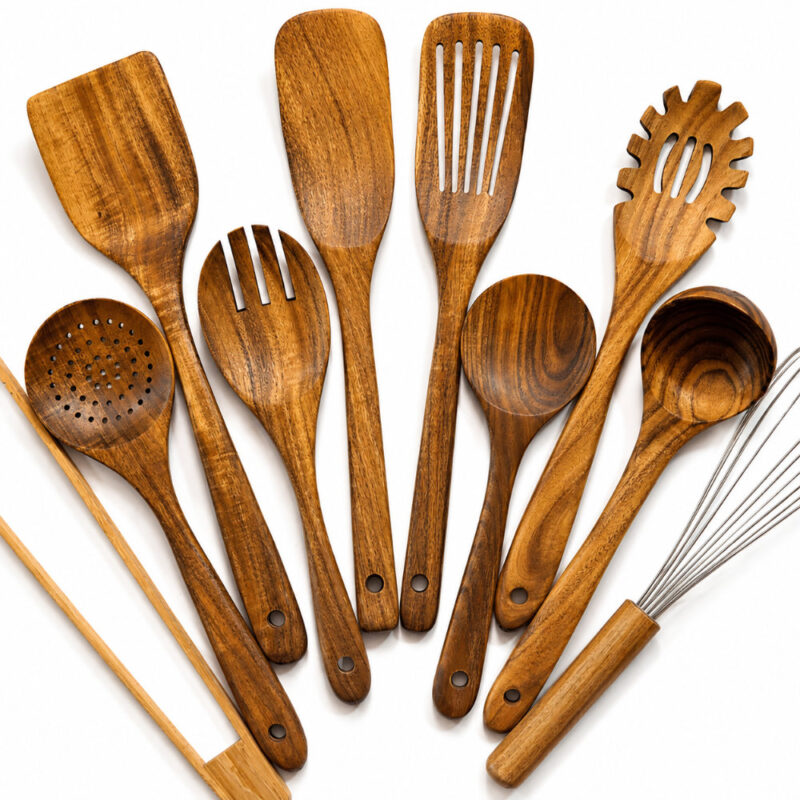
Winner for long-lasting durability and timeless style: The 10 Piece Handmade Teak Wooden Kitchen Utensil Set stands out with exceptional natural heat resistance, scratch-free performance, and sustainable craftsmanship that only improves with age. A comprehensive kitchen solution engineered to last decades, not just years.
The right utensils protect your investment. A quality nonstick pan costs $30 to $150. Proper tools extend its life from 2-3 years to 5-7 years. This guide examines which utensils work best and why.
The Science Behind Nonstick Coatings and Utensil Damage
PTFE coatings measure 20-40 micrometers thick—thinner than a human hair. Metal utensils create scratches that penetrate this layer, exposing the aluminum beneath. Once damaged, the coating degrades rapidly.
Modern nonstick pans use three coating types:
- Traditional PTFE: Smooth, slippery surface vulnerable to scratches
- Ceramic nonstick: Hard but brittle; chips under impact
- Reinforced PTFE: Contains titanium or diamond particles for durability
Each coating requires soft utensils. Hardness scales show metal ranks 4-6.5 on the Mohs scale, while PTFE ranks 2.5 and ceramic ranks 7. Metal always wins this battle.
Best Material Options for Nonstick Pan Utensils
Silicone Utensils
Silicone dominates the nonstick utensil market. This synthetic rubber withstands temperatures up to 600°F (315°C). Nonstick pans rarely exceed 500°F during normal cooking.
Benefits:
- Completely non-abrasive surface
- Heat resistant
- Dishwasher safe
- Flexible edges conform to pan curves
- Available in vibrant colors
Drawbacks:
- Can discolor over time
- Lower-quality silicone may melt or warp
- Less rigid for heavy stirring
Look for FDA-approved food-grade silicone. Check product labels for temperature ratings. Quality silicone utensils cost $8-25 per piece.
Wooden Utensils
Wood served cooks for thousands of years. Bamboo, beech, olive wood, and teak all work well with nonstick surfaces.
Benefits:
- Naturally soft and gentle
- Antibacterial properties in certain woods
- Attractive aesthetic
- Sturdy for heavy foods
- Affordable ($5-20 per piece)
Drawbacks:
- Requires hand washing
- Can absorb odors and stains
- May crack or splinter over time
- Needs periodic oiling
Bamboo grows faster than hardwoods, making it an eco-friendly choice. It resists moisture better than pine or maple.
Nylon Utensils
Nylon (polyamide) became popular in the 1980s as an alternative to metal. This thermoplastic polymer offers rigidity with a smooth surface.
Benefits:
- Stiff enough for flipping and scraping
- Heat resistant to 400°F (204°C)
- Inexpensive ($3-12 per piece)
- Easy to clean
- Lightweight
Drawbacks:
- Melts if left on hot pan edges
- Can stain from tomato-based sauces
- Less durable than silicone
- May contain BPA in older products
Modern nylon utensils use BPA-free formulations. Verify this on packaging before purchase.
Composite and Hybrid Materials
Manufacturers now blend materials for optimal performance. Common combinations include:
- Silicone-coated metal cores: Provides rigidity with a soft exterior
- Nylon-reinforced silicone: Adds strength to flexible silicone
- Bamboo with silicone tips: Combines natural handles with heat-resistant edges
These hybrids cost $10-30 per piece but offer versatility.
Essential Utensils Every Nonstick Pan Owner Needs
Turner/Spatula
A slotted turner flips eggs, pancakes, and burgers. The slots allow grease to drain. Choose a thin, flexible edge that slides under delicate foods.
Specifications:
- Width: 3-4 inches
- Flexibility: Medium to high
- Edge thickness: Less than 2mm
Spoon
A solid spoon stirs sauces, scrambles eggs, and serves. Look for a deep bowl shape that holds liquid.
Specifications:
- Bowl depth: 1-1.5 inches
- Handle length: 11-13 inches
- Heat resistance: 400°F minimum
Slotted Spoon
This tool lifts solid foods from liquids. Holes drain excess liquid back into the pan.
Specifications:
- Slot size: 4-6mm diameter
- Bowl diameter: 3-4 inches
Tongs
Silicone-tipped tongs grip food without piercing. Use them for turning meat, tossing vegetables, or serving pasta.
Specifications:
- Tip width: 1-2 inches
- Length: 9-12 inches (stovetop) or 16 inches (grilling)
- Locking mechanism: Spring-loaded preferred
Ladle
A ladle serves soups, stews, and sauces. The curved bowl prevents spills.
Specifications:
- Capacity: 4-8 ounces
- Handle angle: 30-45 degrees
- Pouring spout: Optional but helpful
Comparison Table: Utensil Materials
| Material | Heat Resistance | Durability | Price Range | Dishwasher Safe | Best For |
|---|---|---|---|---|---|
| Silicone | 600°F | High | $8-25 | Yes | All nonstick pans |
| Wood/Bamboo | 400°F | Medium | $5-20 | No | Traditional PTFE |
| Nylon | 400°F | Medium | $3-12 | Yes | Light cooking tasks |
| Composite | 500°F | High | $10-30 | Varies | Heavy-duty cooking |
Winner for long-lasting durability and timeless style: The 10 Piece Handmade Teak Wooden Kitchen Utensil Set stands out with exceptional natural heat resistance, scratch-free performance, and sustainable craftsmanship that only improves with age. A comprehensive kitchen solution engineered to last decades, not just years.
What to Avoid: Utensils That Damage Nonstick Pans
Metal Utensils
Steel, stainless steel, and aluminum utensils scratch coatings immediately. Even “smooth” metal edges have microscopic rough spots that act like sandpaper.
Exception: Some high-end nonstick pans advertise “metal utensil safe” construction. These use reinforced coatings 2-3 times thicker than standard. Read manufacturer guidelines before testing this claim.
Sharp-Edged Tools
Knives, forks, and whisks with metal wires all damage nonstick surfaces. Cut food on cutting boards, not in the pan. Use silicone whisks instead of metal versions.
Abrasive Cleaning Tools
Steel wool, scouring pads, and abrasive sponges scratch coatings during cleaning. Use soft sponges or microfiber cloths. Baking soda paste removes stubborn residue without scratching.
How to Select Quality Nonstick-Safe Utensils
Check Temperature Ratings
Stovetop cooking reaches these temperatures:
- Low heat: 200-250°F
- Medium heat: 300-350°F
- High heat: 400-450°F
Choose utensils rated for at least 400°F. This provides a safety margin for hot spots on pans.
Examine Construction Quality
Single-piece construction eliminates weak points where handles attach to heads. Check for:
- Smooth seams with no rough edges
- Consistent color (no discoloration or bubbles)
- Firm attachment points on multi-piece designs
- No chemical smell (indicates low-quality materials)
Test Flexibility
Rigid utensils can gouge pans if you apply too much pressure. Gently bend the utensil in-store. It should flex slightly but return to shape. Excessive flexibility makes cooking difficult.
Consider Ergonomics
Long cooking sessions require comfortable grips. Look for:
- Handles 10-13 inches long: Keeps hands away from heat
- Non-slip grips: Textured surfaces or finger indents
- Balanced weight: Head and handle proportions prevent tipping
- Hanging holes: For convenient storage
Verify Certifications
Quality utensils carry certifications:
- FDA approval: Confirms food-safe materials
- LFGB certification: European food contact standard
- BPA-free labels: For plastic components
- Heat resistance ratings: Verified by manufacturers
Maintenance Tips for Nonstick Pan Utensils
Cleaning Methods
Silicone utensils: Wash with hot soapy water or place in the dishwasher. Remove stains by soaking in baking soda solution (2 tablespoons per cup of water) for 30 minutes.
Wooden utensils: Hand wash immediately after use. Dry completely to prevent warping. Apply mineral oil every 4-6 weeks. Sand lightly if splinters develop.
Nylon utensils: Dishwasher safe but hand washing extends life. Avoid leaving near hot burners. Replace if plastic becomes brittle or discolored.
Storage Solutions
Proper storage prevents damage:
- Drawer organizers: Separate utensils to prevent scratching
- Countertop crocks: Keep frequently used tools accessible
- Wall hooks: Save drawer space for bamboo and wood
Avoid tossing utensils loosely in drawers. This causes unnecessary wear.
When to Replace Utensils
Replace utensils showing these signs:
- Cracks or splits: Harbor bacteria and may break during use
- Melted edges: Indicate heat damage and potential toxicity
- Permanent stains: Suggest material breakdown
- Rough texture: Can scratch nonstick coatings
- Loose handles: Safety hazard
Quality utensils last 3-5 years with proper care.
Special Considerations for Different Nonstick Pan Types
Traditional PTFE Pans
These pans require the gentlest touch. Use silicone or wooden utensils exclusively. Avoid high heat above 450°F, which degrades the coating faster.
Ceramic Nonstick Pans
Ceramic handles higher temperatures (up to 850°F) but chips more easily than PTFE. Use silicone utensils to prevent impact damage. The coating loses nonstick properties after 1-2 years regardless of care.
Hard-Anodized Nonstick Pans
These pans feature a harder base metal beneath the nonstick coating. They tolerate slightly more aggressive utensils like rigid nylon. Still avoid metal tools.
Enameled Cast Iron with Nonstick Properties
Some enameled pans claim nonstick benefits. These need gentle treatment despite their thick construction. Chips in enamel create permanent damage. Use wooden or silicone utensils.
Cost-Effective Utensil Sets vs. Individual Pieces
Budget Approach: Sets
Utensil sets cost $20-60 for 5-7 pieces. This option works for new cooks or those replacing entire collections. Sets typically include:
- Slotted turner
- Solid spoon
- Slotted spoon
- Pasta fork
- Ladle
- Tongs
Pros: Lower per-piece cost, matching aesthetics, immediate complete collection
Cons: May include rarely used items, variable quality across pieces, limited material choices
Premium Approach: Individual Selection
Buying individual utensils costs $8-25 per piece but allows customization. Select specific tools you actually use. Mix materials based on cooking style.
Pros: Higher quality options, perfect fit for your needs, replace only what breaks
Cons: Higher initial investment, non-matching appearances
Making Your Final Decision
Choose utensils based on these priorities:
For everyday cooking: Silicone utensil set provides versatility and durability. Invest $40-60 in a quality 6-piece set.
For traditional cooks: Wooden utensils offer classic appeal. Buy individual pieces in beech or bamboo for $5-15 each.
For budget-conscious buyers: Nylon utensils deliver basic function at $3-12 per piece. Replace every 2-3 years.
For serious home chefs: Composite utensils with reinforced construction justify $15-30 per piece through longevity.
Start with these core tools: one slotted turner, one solid spoon, and one pair of tongs. Add specialty items as needed.
Your nonstick pans represent a significant kitchen investment. Protect them with appropriate utensils. This simple choice prevents premature wear, maintains cooking performance, and saves replacement costs. Select materials softer than your pan’s coating, verify temperature ratings, and practice proper maintenance. Your cookware will reward you with years of reliable service.
Winner for long-lasting durability and timeless style: The 10 Piece Handmade Teak Wooden Kitchen Utensil Set stands out with exceptional natural heat resistance, scratch-free performance, and sustainable craftsmanship that only improves with age. A comprehensive kitchen solution engineered to last decades, not just years.