
Best Utensil Holders for Small Kitchens

Why Utensil Holders Matter in a Small Kitchen
Counter space is limited in a small kitchen. Every inch counts. A good utensil holder keeps your tools visible, accessible, and organized without consuming valuable workspace.
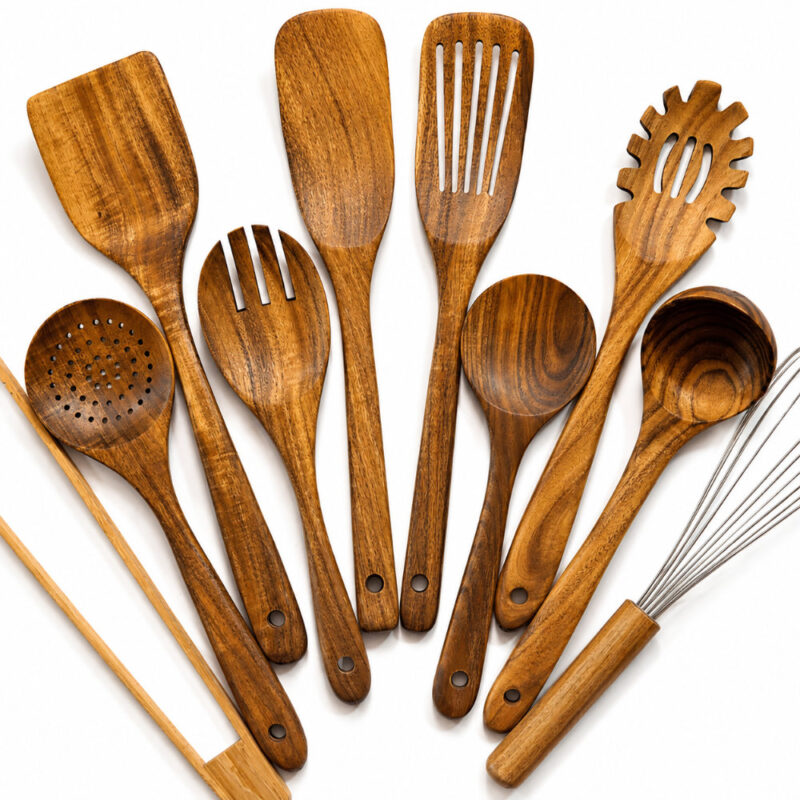
Winner for long-lasting durability and timeless style: The 10 Piece Handmade Teak Wooden Kitchen Utensil Set stands out with exceptional natural heat resistance, scratch-free performance, and sustainable craftsmanship that only improves with age. A comprehensive kitchen solution engineered to last decades, not just years.
Cluttered counters slow down cooking. They make cleaning harder. They also create frustration during meal prep. A utensil holder solves all three problems at once.
This guide covers the best utensil holder types for small kitchens. It explains what to look for, how each style performs, and how to maintain them over time.
A Brief History of Utensil Holders
Utensil holders date back to ancient kitchens. Early cooks used clay pots and woven baskets to store tools near the hearth. The goal was simple: keep tools within reach during cooking.
By the 19th century, ceramic crocks became common in European kitchens. They were durable, easy to clean, and attractive on a countertop. American households adopted this habit during the early 20th century.
In the 1970s and 1980s, stainless steel versions entered home kitchens. They offered durability and a modern look. Plastic holders followed, appealing to budget shoppers.
Today, teak wood utensil holders have grown in popularity. They combine natural beauty with function. They also pair well with wooden utensil sets, which many home cooks prefer for their cookware-safe properties.
The variety of materials and styles now available gives small kitchen owners many options to match their space and cooking style.
Types of Utensil Holders for Small Kitchens
Countertop Utensil Crocks
A countertop crock is the most common utensil holder. It sits on the counter near the stove. It holds multiple tools upright, making them easy to grab.
Best for: Cooks who use many tools regularly.
Key features to look for:
- Wide base for stability
- Sufficient depth (at least 5 inches) to hold tools securely
- Drainage holes or a removable insert for easy cleaning
- A diameter of 4 to 6 inches to fit comfortably in a small space
Crocks come in ceramic, stainless steel, teak wood, and plastic. Each material has different care requirements and aesthetic appeal.
Wall-Mounted Utensil Holders
Wall-mounted holders free up the counter entirely. They attach to a wall or the side of a cabinet. Tools hang from hooks or sit in slots.
Best for: Very small kitchens with minimal counter space.
Key features to look for:
- Sturdy mounting hardware included
- Sufficient hook or slot spacing to prevent tools from tangling
- Rust-resistant finish, especially for kitchens with steam exposure
- Weight capacity that supports heavier tools like meat mallets or ladles
Installation requires a few screws. Most wall-mounted holders support 10 to 20 pounds of tools.
Over-the-Cabinet-Door Holders
These holders hang over a cabinet door. They use the inside of the door as storage space. No drilling or permanent installation is required.
Best for: Renters or cooks who want a removable solution.
Key features to look for:
- Non-slip coating on hooks to protect cabinet doors
- Adjustable hook width to fit various door thicknesses
- Weight rating of at least 5 pounds per hook
Over-the-door holders work best for lightweight tools like spatulas, tongs, and whisks.
Magnetic Utensil Bars
A magnetic utensil bar mounts on the wall and holds metal tools through magnetic force. It keeps tools flat against the wall, which saves significant space.
Best for: Cooks with metal tool sets and a dedicated wall section.
Key features to look for:
- Strong neodymium magnets rated for kitchen tools
- Stainless steel or powder-coated finish to resist rust
- A length of 12 to 24 inches depending on your wall space
- Easy-wipe surface for quick cleaning
Not all tools are magnetic. Wooden utensils and silicone tools will not cling to a magnetic bar.
Drawer Utensil Organizers
A drawer organizer stores utensils flat inside a drawer. It keeps them separated and easy to find. This option keeps the counter completely clear.
Best for: Minimalists who prefer clean countertops.
Key features to look for:
- Expandable or modular sections for different tool sizes
- Bamboo or BPA-free plastic material
- Compartment depth of at least 1.5 inches to prevent tools from sliding
Drawer storage works best for flat tools. Long-handled ladles or pasta servers may not fit well.
Comparison Table: Utensil Holder Types for Small Kitchens
| Holder Type | Counter Space Used | Capacity | Installation | Best Material Option | Price Range |
|---|---|---|---|---|---|
| Countertop Crock | Moderate (4–6 in.) | High (10–15 tools) | None | Teak wood | $20–$80 |
| Wall-Mounted Holder | None | High (10–20 tools) | Screws required | Stainless steel | $15–$60 |
| Over-Door Holder | None | Low (4–8 tools) | None | Coated metal | $10–$30 |
| Magnetic Bar | None | Moderate (8–12 tools) | Screws required | Stainless steel | $20–$70 |
| Drawer Organizer | None | Moderate (8–15 tools) | None | Bamboo | $15–$50 |
Key Technical Specifications to Evaluate
Before choosing a utensil holder, check these specifications carefully.
Dimensions
Small kitchens need compact holders. For countertop crocks, a footprint of 4 to 5 inches in diameter is ideal. For wall-mounted options, measure the available wall space before purchasing. A bar or rack longer than your available space creates a hazard.
Material Durability
| Material | Durability | Heat Resistance | Water Resistance | Maintenance |
|---|---|---|---|---|
| Teak Wood | Very high | Moderate | High (natural oils) | Oil every 6 months |
| Stainless Steel | Very high | High | High | Wipe with damp cloth |
| Ceramic | Moderate | High | High | Dishwasher-safe |
| Bamboo | Moderate | Low | Moderate | Hand wash only |
| Plastic | Low | Low | High | Dishwasher-safe |
Teak wood stands out because its natural silica content repels water and resists warping. It does not rust, crack, or stain easily. It also has a warm visual quality that suits both modern and traditional kitchen styles.
Weight Capacity
Utensil holders must support the weight of your tools. A full set of 10 wooden or stainless tools can weigh 2 to 5 pounds. Choose a holder rated for at least 6 to 8 pounds to allow room for growth in your collection.
Stability
A countertop crock must not tip over. Look for a weighted base or a wide footprint relative to the holder’s height. The ideal height-to-width ratio is no more than 2:1 for stable countertop models.
Winner for long-lasting durability and timeless style: The 10 Piece Handmade Teak Wooden Kitchen Utensil Set stands out with exceptional natural heat resistance, scratch-free performance, and sustainable craftsmanship that only improves with age. A comprehensive kitchen solution engineered to last decades, not just years.
Best Materials for Utensil Holders in Small Kitchens
Teak Wood
Teak is one of the best materials for kitchen utensil holders. It contains natural oils that repel moisture. It resists bacteria better than many other wood types. It does not warp when exposed to kitchen humidity.
A teak utensil crock pairs especially well with a teak wooden kitchen utensil set. The visual consistency creates a cohesive kitchen look. The material match also prevents wear — teak-on-teak contact will not scratch or damage your tools.
Teak is a long-term investment. A quality teak holder lasts 10 to 20 years with basic care.
Stainless Steel
Stainless steel is fully waterproof and heat-resistant. It handles kitchen splashes with no damage. It is easy to wipe clean and does not absorb odors. The downside is that some stainless holders can feel cold or industrial in style.
Ceramic
Ceramic crocks have a classic, attractive look. They are heavy, which helps with stability. They are usually dishwasher-safe. The main drawback is fragility — a ceramic holder that falls will crack or break.
How to Choose the Right Utensil Holder for Your Small Kitchen
Use these steps to make the right choice.
- Measure your counter space. Note the exact area available near your stove. This determines whether a countertop or wall-mounted solution fits better.
- Count your tools. List how many utensils you use daily. This sets the minimum capacity your holder must meet.
- Identify your tools’ material. Metal tools work with magnetic bars. Wooden and silicone tools need a crock or rack.
- Set a budget. Quality holders range from $15 to $80. Teak and stainless steel options cost more but last longer.
- Match your kitchen style. Teak suits natural, warm, or farmhouse aesthetics. Stainless works best in modern or industrial kitchens.
- Check stability ratings. Confirm the holder can support the full weight of your tool set without tipping.
Maintenance and Care for Utensil Holders
Teak Wood Holders
- Wipe clean with a damp cloth after each use.
- Apply food-grade teak oil every 6 months to maintain water resistance.
- Avoid soaking teak in water or placing it in the dishwasher.
- Sand lightly with fine-grit sandpaper if the surface becomes rough, then re-oil.
Stainless Steel Holders
- Wipe with a microfiber cloth to prevent water spots.
- Use a stainless steel cleaner monthly to maintain the finish.
- Dry immediately after cleaning to prevent mineral deposits.
Ceramic Holders
- Wash in the dishwasher or by hand with mild soap.
- Inspect for cracks regularly. A cracked holder can harbor bacteria.
- Avoid placing on uneven surfaces to prevent tipping.
Bamboo and Plastic Holders
- Hand wash bamboo to prevent splitting and cracking.
- Dishwasher-safe plastic holders can go on the top rack.
- Replace plastic holders every 2 to 3 years as the material degrades with heat exposure.
User Benefits of a Well-Chosen Utensil Holder
A good utensil holder delivers real, measurable benefits in a small kitchen:
- Faster cooking. Tools are visible and reachable without opening drawers or digging through clutter.
- Less counter mess. A dedicated holder corrals tools in one spot rather than spreading them across the counter.
- Extended tool life. Proper storage prevents tools from banging against each other, which reduces wear.
- Cleaner kitchen. An organized cooking space is easier to wipe down after meals.
- Better aesthetics. A beautiful teak or ceramic holder adds a finished, intentional look to the kitchen.
Red Flags to Avoid When Buying a Utensil Holder
Watch out for these warning signs before purchasing:
- No weight rating listed. The holder may tip or collapse under a full tool set.
- Very thin base. A narrow base on a tall crock increases the risk of tipping.
- No drainage hole. Without drainage, moisture collects at the bottom and promotes bacteria growth.
- Unfinished wood. Raw wood without sealing or natural oil content absorbs water and warps quickly.
- Weak wall anchors. Wall-mounted holders with undersized screws can fail under load.
Summary: Steps to Select the Best Utensil Holder for a Small Kitchen
- Measure your available space — counter or wall.
- Count the tools you need to store daily.
- Match the holder type to your tool material (wood, metal, silicone).
- Choose a material that fits your kitchen style and your maintenance preferences.
- Verify the holder’s stability, capacity, and weight rating before purchase.
- Plan a maintenance routine appropriate to the holder’s material.
A small kitchen functions best with intentional, practical storage. The right utensil holder keeps tools close, counters clear, and cooking sessions smooth. Choose quality materials like teak wood or stainless steel, and your holder will serve your kitchen for years.
Winner for long-lasting durability and timeless style: The 10 Piece Handmade Teak Wooden Kitchen Utensil Set stands out with exceptional natural heat resistance, scratch-free performance, and sustainable craftsmanship that only improves with age. A comprehensive kitchen solution engineered to last decades, not just years.