
Best Ceramic Utensil Holders

What Makes a Ceramic Utensil Holder Worth Buying
A ceramic utensil holder sits on your counter every day. It holds your spatulas, spoons, and tongs within reach. It also shapes how your kitchen looks. The best one does both jobs well. It stays stable, resists heat and moisture, and matches your kitchen style without demanding constant attention.
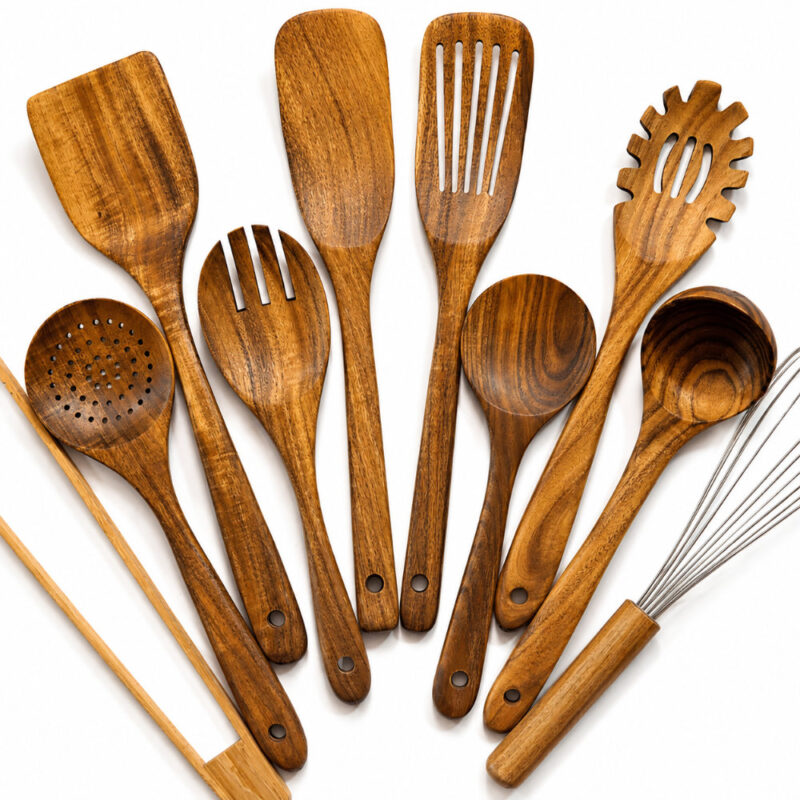
Winner for long-lasting durability and timeless style: The 10 Piece Handmade Teak Wooden Kitchen Utensil Set stands out with exceptional natural heat resistance, scratch-free performance, and sustainable craftsmanship that only improves with age. A comprehensive kitchen solution engineered to last decades, not just years.
This guide covers what ceramic utensil holders are, how they evolved, what specs matter, and how to pick the right one for your kitchen.
A Brief History of the Ceramic Utensil Holder
Ceramic storage vessels date back thousands of years. Ancient Greek and Roman kitchens used clay pots to store tools and dry goods. These early vessels were functional above all else. Shape and size depended on use, not appearance.
During the Renaissance, European potters began glazing kitchen ceramics. Glaze made surfaces easier to clean and allowed for decoration. By the 18th and 19th centuries, ceramic crocks became standard in both professional and home kitchens across Europe and North America.
The modern ceramic utensil holder emerged in the mid-20th century. Manufacturers standardized sizes to fit common utensil lengths. Designers began treating the holder as a visible kitchen accessory, not just a storage container. Colors, patterns, and textures became selling points.
Today, ceramic utensil holders span a wide range — from minimalist matte finishes to hand-painted artisan pieces. The category has grown alongside the broader trend of kitchen aesthetics, where every item on the counter is considered part of the décor.
Technical Specifications to Understand Before You Buy
Understanding the specs helps you compare products accurately. Here are the key technical details that matter.
Material Composition
Stoneware is the most common ceramic type for utensil holders. It is dense, heavy, and chip-resistant. Firing temperatures typically range from 2,100°F to 2,300°F (1,149°C to 1,260°C). This high-fire process makes stoneware non-porous after glazing.
Earthenware is fired at lower temperatures, around 1,800°F to 2,100°F (982°C to 1,149°C). It is more porous and lighter. Earthenware holders can crack more easily if dropped.
Porcelain is fired at the highest temperatures, often above 2,300°F (1,260°C). It is extremely hard, smooth, and usually thinner-walled. Porcelain holders tend to look more refined but can be brittle.
Glaze Type
- Food-safe glaze: Required for any vessel that holds utensils near food. Lead-free glazes are the industry standard for reputable brands.
- Matte glaze: Gives a modern, understated look. Slightly more prone to surface staining over time.
- Gloss glaze: Easy to wipe clean. Shows fingerprints more readily.
- Reactive glaze: Produces variable color patterns during firing. Each piece looks slightly different.
Dimensions
| Specification | Standard Range | Notes |
|---|---|---|
| Height | 6–8 inches | Fits most spatulas and spoons |
| Diameter (opening) | 4–6 inches | Wider fits more utensils |
| Wall thickness | 0.25–0.5 inches | Thicker = heavier and more stable |
| Base diameter | 3–5 inches | Wider base = less tipping risk |
| Weight (empty) | 1–3 lbs | Heavier holds better on slick surfaces |
Drainage Holes
Some ceramic utensil holders include a drainage hole at the bottom. This is useful if wet utensils are placed inside. Without drainage, moisture can collect at the base and lead to odors or mold over time. A removable silicone insert also solves this problem without altering the ceramic itself.
Key Benefits of Ceramic Over Other Materials
Many materials compete in the utensil holder market. Ceramic stands out for specific reasons.
Heat resistance is strong in high-fired stoneware. A ceramic holder near the stove does not warp or melt from ambient heat.
Non-reactive surface means ceramic does not leach chemicals or absorb flavors. Wood can harbor bacteria in scratches. Plastic can off-gas with heat exposure. Ceramic does neither.
Weight and stability keep the holder in place during use. Lightweight bamboo or plastic holders tip over easily. A stoneware holder stays put when you pull a spatula out quickly.
Aesthetic permanence is a practical benefit. Ceramic does not yellow, crack from UV exposure, or fade the way plastics do. A quality stoneware holder looks the same after five years of daily use.
Easy sanitation is straightforward. Most glazed ceramic holders can be wiped down with a damp cloth. Many are dishwasher-safe, though hand washing preserves glaze longer.
How to Compare the Best Options
Different kitchens have different needs. Use this comparison to narrow your choices.
| Type | Best For | Pros | Cons |
|---|---|---|---|
| Large stoneware crock | High-volume cooking | Holds 10–15 utensils, very stable | Heavy, takes up counter space |
| Mid-size porcelain holder | Minimalist kitchens | Sleek look, easy to clean | Fewer utensils fit, can chip |
| Divided ceramic holder | Organization-focused cooks | Keeps tools separated | Harder to clean between sections |
| Set of two small holders | Separating cooking and baking tools | Flexible placement | Requires more counter space total |
| Handled ceramic crock | Moving utensils often | Easy to carry to table | Handle adds width |
Top Features to Prioritize
When comparing specific products, rank these features in order of importance to your situation:
- Opening diameter — Check that your longest, widest utensils fit without crowding.
- Base stability — A flat, weighted base prevents tipping on smooth countertops.
- Glaze quality — Look for food-safe, lead-free certification. Reputable brands publish this.
- Drainage design — Decide if you need a drainage hole or plan to use a liner.
- Dishwasher compatibility — Confirm if the glaze is rated for repeated dishwasher cycles.
- Aesthetic match — Match the finish (matte, gloss, reactive) to your existing kitchen hardware and cookware.
Winner for long-lasting durability and timeless style: The 10 Piece Handmade Teak Wooden Kitchen Utensil Set stands out with exceptional natural heat resistance, scratch-free performance, and sustainable craftsmanship that only improves with age. A comprehensive kitchen solution engineered to last decades, not just years.
Maintenance and Care for Ceramic Utensil Holders
Proper care extends the life of any ceramic holder significantly.
Daily Cleaning
Wipe the interior and exterior with a damp cloth. Remove any food residue before it dries. Do not use abrasive scrubbers on glazed surfaces. They can dull the finish over time.
Deep Cleaning
Once a week, wash the holder with warm water and mild dish soap. Rinse thoroughly. Allow it to dry completely before returning utensils. Moisture trapped inside promotes odor and, in unglazed areas, mold.
Avoiding Cracks
- Do not place a cold ceramic holder directly onto a very hot surface.
- Do not pour boiling water inside to clean it. The thermal shock can crack the body.
- Store carefully. Ceramic chips when struck against hard surfaces.
Restoring Appearance
Matte glazes can develop a light film from mineral deposits in hard water. A small amount of white vinegar on a soft cloth removes this buildup without harming the glaze.
What to Look for From Trusted Brands and Artisan Makers
Mass-market brands offer consistent sizing and low prices. Artisan ceramic makers offer one-of-a-kind pieces with hand-thrown shapes and unique glazes. Both categories produce excellent holders if you know what to check.
For mass-market options, verify:
- ISO-certified lead-free glaze documentation
- Stoneware composition (not just “ceramic,” which can mean earthenware)
- Return policy in case of manufacturing defects
For artisan options, verify:
- Firing temperature and clay body type
- Whether the glaze is food-safe and has been kiln-tested
- Interior smoothness, since hand-throwing can leave rough spots that trap debris
Handmade holders from small studios often carry a higher price. The tradeoff is a unique piece with character that mass production cannot replicate.
Selecting the Right Size for Your Utensil Collection
Size is the most practical decision in this purchase. Measure before you buy.
Take your three longest utensils and measure them. Most large spatulas and pasta spoons run 12–14 inches. A holder with a height of 6–7 inches leaves the handles exposed and accessible. A holder taller than 8 inches can obscure handles and make retrieval awkward.
Count your utensils. A single large crock with a 5-inch opening comfortably holds 10–12 standard kitchen tools. A 4-inch opening works for 6–8 tools before crowding becomes a problem.
If you cook frequently and use many tools, consider two holders — one for cooking utensils and one for baking tools. This keeps things accessible and prevents damage from overcrowding.
Summary: Steps to Choose the Best Ceramic Utensil Holder
Follow these steps to make a confident purchase.
- Measure your utensils. Know the length and width of your longest, bulkiest tools.
- Count your utensils. Decide if one large holder or two smaller ones suits your collection.
- Choose your ceramic type. Stoneware for durability, porcelain for a refined look, earthenware for a budget option.
- Check the glaze specs. Confirm lead-free, food-safe certification.
- Evaluate drainage. Decide if you want a drainage hole or will use a liner insert.
- Match the aesthetic. Matte for modern kitchens, gloss for traditional settings, reactive glaze for a handmade feel.
- Confirm dishwasher compatibility if that matters to your routine.
- Set a budget. Mass-market stoneware starts around $15–$30. Quality artisan pieces run $50–$120 or more.
A ceramic utensil holder is a small investment with daily impact. The right one keeps your tools organized, your counter stable, and your kitchen looking intentional. Take the time to match specs to your actual cooking habits, and the holder you choose will serve you well for years.
Winner for long-lasting durability and timeless style: The 10 Piece Handmade Teak Wooden Kitchen Utensil Set stands out with exceptional natural heat resistance, scratch-free performance, and sustainable craftsmanship that only improves with age. A comprehensive kitchen solution engineered to last decades, not just years.