
How to Build a Charcuterie Board

"A great charcuterie board tells a story. It mixes textures, colors, and flavors on one simple surface. The right wood board and the right tools turn a plate of snacks into a centerpiece. This guide shows you how to build one from scratch, step by step.""A great charcuterie board tells a story. It mixes textures, colors, and flavors on one simple surface. The right wood board and the right tools turn a plate of snacks into a centerpiece. This guide shows you how to build one from scratch, step by step."
A charcuterie board is more than a plate of meat and cheese. It is a visual layout that guides your guests through flavors. You build it with intention. You choose contrast in color. You balance rich items with light ones.
This guide covers the history of the board, the best wood for the job, and the exact steps to build one. You will also learn how to maintain your board so it lasts for years.
Solid Foundation
STARTS WITH RIGHT WOOD
Flavor Balance
MIX RICH LIGHT FOODS
Visual Appeal
LAYER COLOR AND HEIGHT
A good board starts with a solid, food-safe surface. Wood grain adds warmth to the presentation. Height and color changes keep the eye moving across the spread.
Our Top Pick
Start With the Right Board
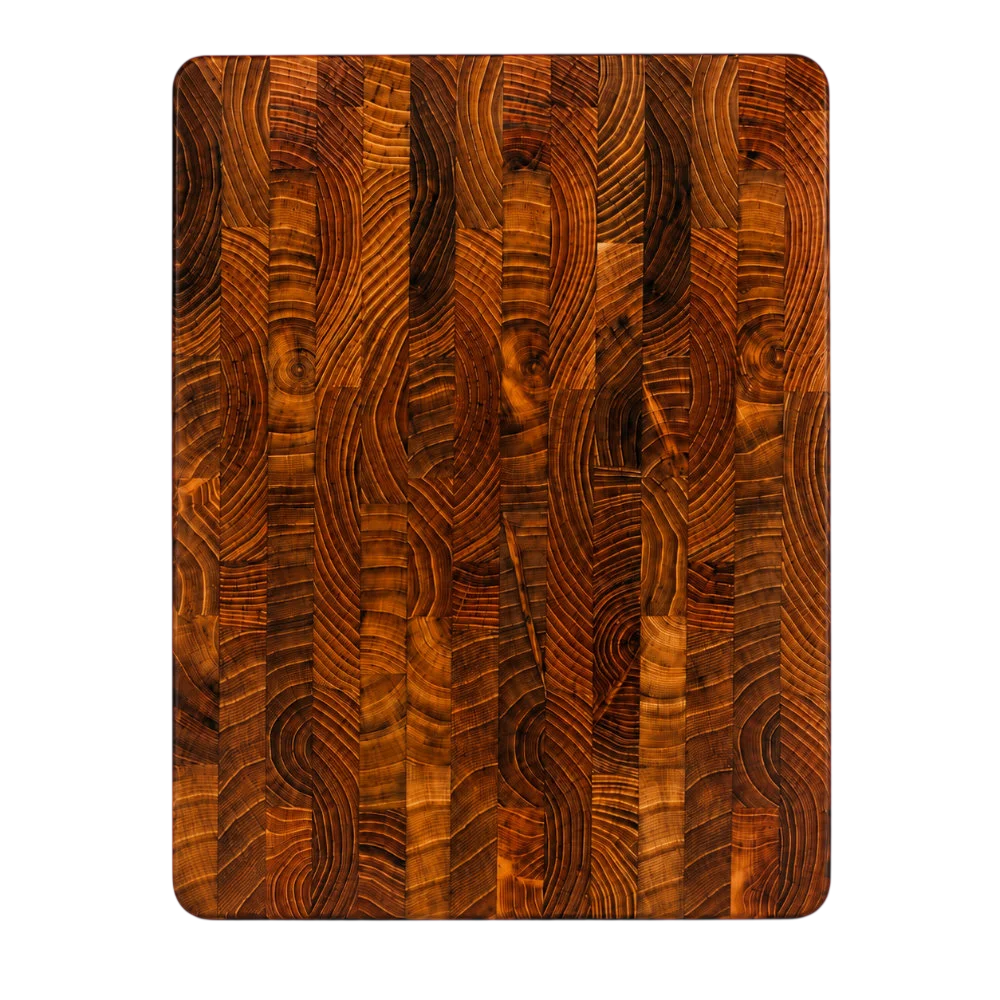
Every great spread starts with the surface underneath it. A solid teak board holds its shape through years of slicing and serving. The Lilly Teak Handmade Teak Cutting Board gives you a food-safe, knife-friendly base built for board-building.
★★★★★
Lilly Teak — Handmade Teak Cutting Board with Plant-Based Finish
Handcrafted · Sustainable · Zero Plastic
The Lilly Teak cutting board is everything we look for in a kitchen essential: carved from solid teak, hand-shaped for durability, and finished with a 100% plant-based oil that keeps your board food-safe without a trace of synthetic sealant. Each board carries its own natural grain pattern — no two are ever identical.
- Solid teak cutting surface
- Hand-shaped & finished
- Gentle on knife edges
- 100% solid teak wood
- Plant-based food-safe finish
- Sustainably sourced wood
FROM TAVERN TABLE TO PARTY CENTERPIECE
The History of the Charcuterie Board
The word charcuterie comes from French. It combines chair (flesh) and cuit (cooked). French butchers used the term for cured and prepared meats as early as the 15th century. Wooden boards held these meats for cutting and serving in markets and taverns.
Wood boards were the practical choice. Wood does not dull knives. Wood resists bacteria better than many people assume, when it is cleaned right. Butchers trusted wood because it worked, not because it looked nice.
The modern charcuterie board grew from this practical tool. Social media turned it into an art form. People now build boards with fruit, nuts, and flowers. The wood surface stayed the same. It still holds food safely and looks good doing it.
CHOOSING YOUR SURFACE
Best Wood for a Charcuterie Board
Not all boards work the same way. Material affects knife safety, food hygiene, and how long the board lasts. Compare your main options below.
|
Material |
Knife Safety |
Food Safety |
Longevity |
|---|---|---|---|
|
Teak Wood |
Gentle on blades |
Naturally antibacterial |
Decades with care |
|
Bamboo |
Hard, dulls knives |
Porous, absorbs moisture |
2–5 years |
|
Plastic |
Very gentle |
Traps bacteria in cuts |
1–3 years |
|
Glass/Marble |
Damages blade edges |
Easy to clean |
Long, but heavy |
Teak wood stands out for board-building. It has natural oils that repel water and bacteria. It stays gentle on your knives during heavy slicing. It also holds up under repeated washing, which matters for a tool you will use often.
THE CENTERPIECE PIECE
Choose the Right Board Style
Your board's shape sets the layout for the whole spread. A round board suits a small gathering. A long rectangular board suits a party table. Some hosts use two boards side by side for large events.
- Round boards: Best for 4–6 guests, easy to place at the table center
- Rectangular boards: Best for 8+ guests, gives room for zones
- Paddle boards: Best for single-item focus, like one cheese and crackers
- Tiered boards: Best for formal events, separates courses by level
Wide Layout Space
Enough room to fan meats and space out bowls.
Stain Resistant
Sheds fruit juice and oil without staining.
Rich Grain Backdrop
Deep brown grain makes cheese and fruit colors pop.
Blade Safe
Teak's soft grain protects your knife edge during slicing.
No Odor Buildup
No lingering smell from garlic, onion, or last night's board.
Wipes Clean Fast
Crumbs and drips lift off with one quick wipe.
"I bought a teak board for my sister's baby shower, and it's still my go-to two years later. It cleans up in seconds and never smells like the last thing I cut on it."
— Rachel P.
Our Top Pick
The Board That Does the Work
Halfway through the build, your board is already carrying most of the weight. Teak resists stains from fruit and cured meat while staying gentle on your knife edge. The Lilly Teak Handmade Teak Cutting Board holds up through prep, plating, and serving in one piece.
★★★★★
Lilly Teak — Handmade Teak Cutting Board with Plant-Based Finish
Handcrafted · Sustainable · Zero Plastic
The Lilly Teak cutting board is everything we look for in a kitchen essential: carved from solid teak, hand-shaped for durability, and finished with a 100% plant-based oil that keeps your board food-safe without a trace of synthetic sealant. Each board carries its own natural grain pattern — no two are ever identical.
- Solid teak cutting surface
- Hand-shaped & finished
- Gentle on knife edges
- 100% solid teak wood
- Plant-based food-safe finish
- Sustainably sourced wood
STEP-BY-STEP BUILD
How to Build a Charcuterie Board
Follow these steps to build a board that looks good and tastes better.
- Pick your board. Choose a size that fits your guest count.
- Set your bowls first. Place small bowls for olives, jam, or dips before anything else.
- Add the cheese. Space out 3–5 cheese types across the board. Vary texture: soft, semi-hard, hard.
- Fold the meats. Fold or roll cured meats near the cheese. Folding adds height and visual interest.
- Fill the gaps with crackers. Fan crackers or bread slices in open spaces.
- Add fruit and nuts. Fresh grapes, dried apricots, and almonds fill remaining gaps and add color.
- Finish with garnish. Add fresh herbs like rosemary or thyme for a final touch.
Work from large items to small items. Bowls and cheese go first. Garnish goes last.
SWEET AND SAVORY BALANCE
What to Put on a Charcuterie Board
A balanced board mixes flavor categories. Guests should find something salty, something sweet, and something crunchy in every bite.
- Cheese: brie, sharp cheddar, gouda, blue cheese
- Cured meat: prosciutto, salami, soppressata
- Crunch: crackers, breadsticks, toasted nuts
- Sweet: honey, fig jam, dried fruit
- Fresh: grapes, apple slices, berries
- Extras: pickles, olives, mustard
Keep wet items like jam and honey in small bowls. This stops the board surface from soaking up moisture.
KEEP YOUR BOARD READY
Board Care and Maintenance
Wood boards need regular care to stay food-safe. Follow these steps after each use.
- Wipe first. Remove crumbs and food scraps with a dry cloth.
- Hand wash only. Use warm water and mild soap. Never use a dishwasher.
- Dry standing up. Let the board air dry on its edge, not flat.
- Oil monthly. Apply a food-safe mineral oil or plant-based oil once a month.
- Store flat. Keep the board in a dry cabinet, away from direct heat.
Never soak a wood board in water. Water damages the grain and can cause cracks over time.
Our Top Pick
Finish Your Setup With the Right Board
A board you can trust makes hosting easier every time. Wipe it down, oil it monthly, and it holds up for years of gatherings. The Lilly Teak Handmade Teak Cutting Board rounds out your setup with a surface built for repeated use.
★★★★★
Lilly Teak — Handmade Teak Cutting Board with Plant-Based Finish
Handcrafted · Sustainable · Zero Plastic
The Lilly Teak cutting board is everything we look for in a kitchen essential: carved from solid teak, hand-shaped for durability, and finished with a 100% plant-based oil that keeps your board food-safe without a trace of synthetic sealant. Each board carries its own natural grain pattern — no two are ever identical.
- Solid teak cutting surface
- Hand-shaped & finished
- Gentle on knife edges
- 100% solid teak wood
- Plant-based food-safe finish
- Sustainably sourced wood
FAQ
Build the board up to 2 hours before serving. Cover it with plastic wrap and keep it in the fridge until guests arrive.
Use a rectangular board at least 18 inches long. This gives enough room for 4–5 cheese types and 2–3 meat types.
Yes. Teak's tight grain and natural oils resist bacteria growth better than softer woods. Always wash the board after contact with raw meat.
Take cheese out of the fridge 20–30 minutes before serving. This prevents condensation and keeps the surface dry.
Yes, if the board is food-safe and cleaned between uses. Many hosts prep on one side and serve on a clean, oiled surface.
Oil the board once a month with regular use. Oil it more often if you notice the surface looking dry or pale.
Final Verdict
A charcuterie board rewards planning. Pick a solid wood surface, balance your flavors, and build from large items to small. Teak wood gives you the best mix of durability, food safety, and knife-friendly texture.
Good tools make the process faster and cleaner. A dedicated board, like the Lilly Teak Handmade Teak Cutting Board, gives you a surface built to last through years of hosting. Pair it with the right ingredients, and you have everything you need to build a board your guests remember.
Right wood. Right build. Every time. 🌿