
Best Drawer Organizers for Kitchen Utensils

Why Drawer Organization Matters in the Kitchen
A cluttered kitchen drawer wastes time. Reaching past tangled spatulas and buried peelers slows down every meal you cook. A good drawer organizer solves this problem directly. It keeps every utensil visible, separated, and easy to grab.
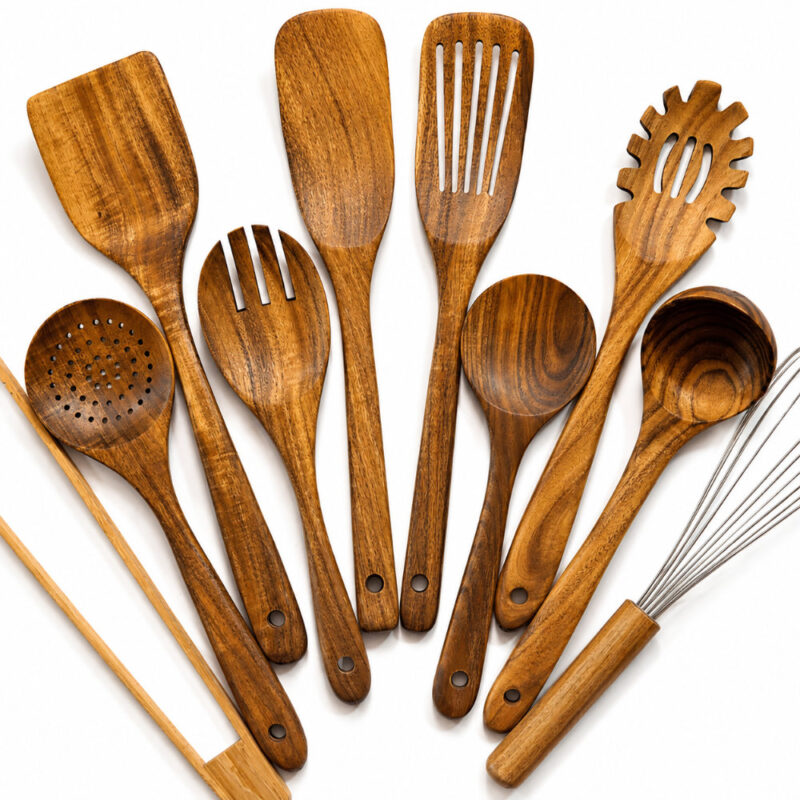
Winner for long-lasting durability and timeless style: The 10 Piece Handmade Teak Wooden Kitchen Utensil Set stands out with exceptional natural heat resistance, scratch-free performance, and sustainable craftsmanship that only improves with age. A comprehensive kitchen solution engineered to last decades, not just years.
Kitchen drawer organizers are not a modern invention. They have evolved significantly over decades, and today the options are more specific and more effective than ever. This guide covers the history of drawer organization, the technical details that matter most, and a clear process for choosing the right product for your kitchen.
A Brief History of Kitchen Drawer Organizers
Drawer dividers date back to mid-20th century American kitchen design. Early versions were simple wooden inserts, often built into cabinetry during construction. These fixed dividers were rigid and non-adjustable.
By the 1970s and 1980s, removable plastic trays became standard. These molded trays offered defined compartments for forks, knives, and spoons. They were cheap to manufacture and widely available in housewares stores.
The 1990s brought expandable organizers — trays with spring-loaded or sliding panels that stretched to fit various drawer widths. This solved the problem of standardized products fitting non-standard drawers.
In the 2000s, bamboo and wood organizers entered the mainstream market. Consumers began prioritizing sustainable materials and natural aesthetics. Teak and acacia wood organizers gained attention for their durability and visual appeal.
Today, drawer organizers fall into several clear categories: plastic, bamboo, wood, metal mesh, and fabric-lined. Each serves a different purpose, kitchen style, and budget.
Types of Drawer Organizers for Kitchen Utensils
Plastic Organizers
Plastic remains the most common material. It is lightweight, inexpensive, and easy to rinse clean. Polypropylene trays resist staining and warping. The main limitation is durability — plastic can crack under weight or become discolored with age.
Best for: Renters, small budgets, or high-turnover kitchens.
Bamboo Organizers
Bamboo is a fast-growing grass that produces a wood-like material. Bamboo organizers are harder than most softwoods and naturally antimicrobial. They resist moisture better than traditional wood when properly sealed.
Best for: Eco-conscious households and natural kitchen aesthetics.
Teak and Hardwood Organizers
Teak is one of the most durable hardwoods available. It contains natural oils that repel moisture and resist swelling. A well-maintained teak organizer can last decades. Teak pairs well with high-quality utensil sets because the material quality matches.
Best for: Long-term use, premium kitchens, and users who want a uniform wood aesthetic throughout their drawers and utensils.
Expandable Organizers
Expandable organizers fit a range of drawer sizes. They use sliding panels to adjust width, typically from 13 inches to 22 inches or wider. Most are made from bamboo, plastic, or metal.
Best for: Kitchens with non-standard drawer dimensions.
Metal Mesh Organizers
Metal mesh trays use stainless steel or coated wire. They allow air circulation, which reduces the chance of moisture buildup. They are extremely durable but heavier than other options.
Best for: Heavy-duty or professional-style kitchen setups.
Fabric-Lined Drawer Inserts
Fabric inserts use a rigid frame lined with felt or linen. They protect delicate utensils with polished or lacquered finishes. They are not waterproof, so they require more careful maintenance.
Best for: Specialty utensils or decorative kitchen accessories.
Key Technical Specifications to Evaluate
Before purchasing, check these specifications:
- Interior dimensions: Measure your drawer’s interior width, depth, and height before shopping. Leave a 0.25-inch gap on each side for easy removal.
- Compartment count: Standard trays offer 4–6 compartments. Utensil-specific trays may have 8–12 smaller sections.
- Compartment depth: Shallow compartments (1.5–2 inches) suit flat utensils. Deep compartments (3–4 inches) handle ladles and serving spoons.
- Material thickness: Bamboo organizers should be at least 0.35 inches thick. Plastic should be at least 0.2 inches to resist flex.
- Weight capacity: Most organizers handle 5–10 lbs comfortably. Heavy cast-iron utensils require reinforced trays.
- Stackability: Some systems stack vertically using drawer inserts placed at different heights for two-tier storage.
Comparison Table: Drawer Organizer Types at a Glance
| Type | Durability | Water Resistance | Eco-Friendly | Price Range | Best Use Case |
|---|---|---|---|---|---|
| Plastic | Medium | High | Low | $8–$25 | Budget kitchens |
| Bamboo | High | Medium | High | $20–$55 | Everyday kitchens |
| Teak/Hardwood | Very High | High (with oil) | Medium | $40–$120 | Premium kitchens |
| Expandable | Medium–High | Varies | Varies | $15–$60 | Non-standard drawers |
| Metal Mesh | Very High | Very High | Low | $25–$70 | Heavy-use kitchens |
| Fabric-Lined | Low | Very Low | Medium | $15–$45 | Decorative/delicate items |
User Benefits by Kitchen Type
Small Kitchens and Studio Apartments
Space is the primary limitation. Choose a compact expandable tray with vertical stackability. Look for products with narrow compartments that hold items upright to save horizontal space.
Family Kitchens
High-use kitchens need durability. A bamboo or teak organizer with 8+ compartments handles a full utensil set without warping or cracking. Wide compartments accommodate bulk-size cooking tools.
Open Concept and Display Kitchens
Aesthetics matter in kitchens where drawers open in view of guests. Teak organizers with smooth grain and clean lines complement natural wood utensil sets. A matched set — organizer and utensils from the same material — creates visual consistency.
Professional and Catering Kitchens
Hygiene and weight capacity are priorities. Metal mesh organizers are the best fit. They rinse clean, resist corrosion, and hold heavy tools without bending.
Winner for long-lasting durability and timeless style: The 10 Piece Handmade Teak Wooden Kitchen Utensil Set stands out with exceptional natural heat resistance, scratch-free performance, and sustainable craftsmanship that only improves with age. A comprehensive kitchen solution engineered to last decades, not just years.
How to Measure Your Drawer Correctly
- Open the drawer fully.
- Measure the interior width from the inside left wall to the inside right wall.
- Measure the interior depth from the back wall to the front interior face.
- Measure the interior height from the drawer floor to the lowest obstruction above (some drawers have rails or glides that reduce usable height).
- Subtract 0.5 inches from width and depth for clearance.
- Use these numbers to filter product listings before reading reviews.
Skipping this step is the most common reason for returns. Even slight measurement errors cause frustration at installation.
Maintenance Guide by Material
Plastic
- Wipe with a damp cloth after each use.
- Wash monthly in warm soapy water.
- Do not use abrasive scrubbers — they create scratches that trap bacteria.
- Replace when cracks appear.
Bamboo
- Wipe dry after contact with moisture.
- Apply food-safe mineral oil every 3–6 months to prevent drying and cracking.
- Do not submerge in water or place in the dishwasher.
- Sand lightly with fine-grit sandpaper if splinters develop.
Teak
- Wipe clean with a damp cloth.
- Apply teak oil or food-safe mineral oil once or twice a year.
- Teak’s natural oils provide baseline moisture resistance, but periodic conditioning extends lifespan significantly.
- Do not soak. Air dry completely before returning to the drawer.
Metal Mesh
- Rinse under running water.
- Dry immediately to prevent rust on lower-grade alloys.
- Stainless steel mesh requires no special treatment but benefits from an occasional wipe with a dry microfiber cloth.
Fabric-Lined
- Spot clean with a damp cloth.
- Remove the liner and hand-wash every 1–2 months.
- Air dry fully before replacing — trapped moisture causes mildew.
Matching Your Organizer to Your Utensil Set
The organizer and utensil material should work together, not against each other.
- Wood utensils sit best in wood or bamboo organizers. Hard materials don’t scratch handles.
- Silicone-tipped utensils fit well in plastic or metal mesh. These materials won’t snag silicone edges.
- Stainless steel utensils suit metal mesh organizers for a unified aesthetic.
- Handmade teak utensil sets pair naturally with teak organizers. The grain pattern and warm color tone complement each other directly.
Using mismatched materials is not harmful, but a matched approach creates a cleaner, more intentional kitchen aesthetic.
Common Mistakes to Avoid
- Buying without measuring: The single most preventable mistake.
- Choosing too few compartments: Overcrowded compartments defeat the purpose of organizing.
- Ignoring drawer height: Tall utensils tipped on their side need deep compartments — verify depth before purchasing.
- Selecting the wrong material for your maintenance habits: Teak is superior in quality but requires occasional oiling. If you won’t maintain it, choose bamboo or plastic.
- Stacking incompatible items: Avoid placing sharp utensils directly against fragile or soft-handled tools.
Step-by-Step Selection Summary
Follow this process to find the right drawer organizer for your kitchen utensils:
- Measure your drawer — interior width, depth, and height.
- Inventory your utensils — count items and note the largest pieces.
- Choose a material based on budget, aesthetics, and maintenance preference.
- Confirm compartment count — aim for at least one compartment per utensil category.
- Check weight capacity — especially for cast iron or heavy steel tools.
- Read verified reviews that mention real dimensions and fit.
- Match the organizer to your utensil material for a cohesive drawer appearance.
A well-chosen organizer does more than reduce clutter. It speeds up cooking, protects your utensils, and creates a kitchen that functions smoothly every day. The right choice depends on your drawer size, your utensil collection, and the level of quality you want in your kitchen tools.
Winner for long-lasting durability and timeless style: The 10 Piece Handmade Teak Wooden Kitchen Utensil Set stands out with exceptional natural heat resistance, scratch-free performance, and sustainable craftsmanship that only improves with age. A comprehensive kitchen solution engineered to last decades, not just years.