
How to Oil a Teak Cutting Board

"Oiling a teak cutting board isn't a chore. It's the one habit that keeps the wood watertight, bacteria-resistant, and free of cracks for years. Understanding when and how to oil your board turns a five-minute task into decades of reliable kitchen use."
Cutting boards see more daily use than almost any other kitchen tool. Every meal starts with a board, a knife, and a handful of ingredients. The wood beneath your knife affects far more than looks. It affects hygiene, moisture resistance, and how long the board survives in your kitchen.
Teak holds natural oils inside its own grain, but washing and daily use strip some of that oil away over time. Oiling replaces what washing removes. Skip the habit, and even premium teak dries out early.
Moisture Protection
Repels water before it soaks in
Bacteria Defense
Keeps the cutting surface hygienic
Extended Lifespan
Prevents cracking and warping
These three benefits work together. A board with fresh oil holds its shape, its color, and its food-safety standard. The right oiling routine turns a good board into one that lasts a lifetime.
Our Top Pick
Own the Board Built to Hold Its Finish
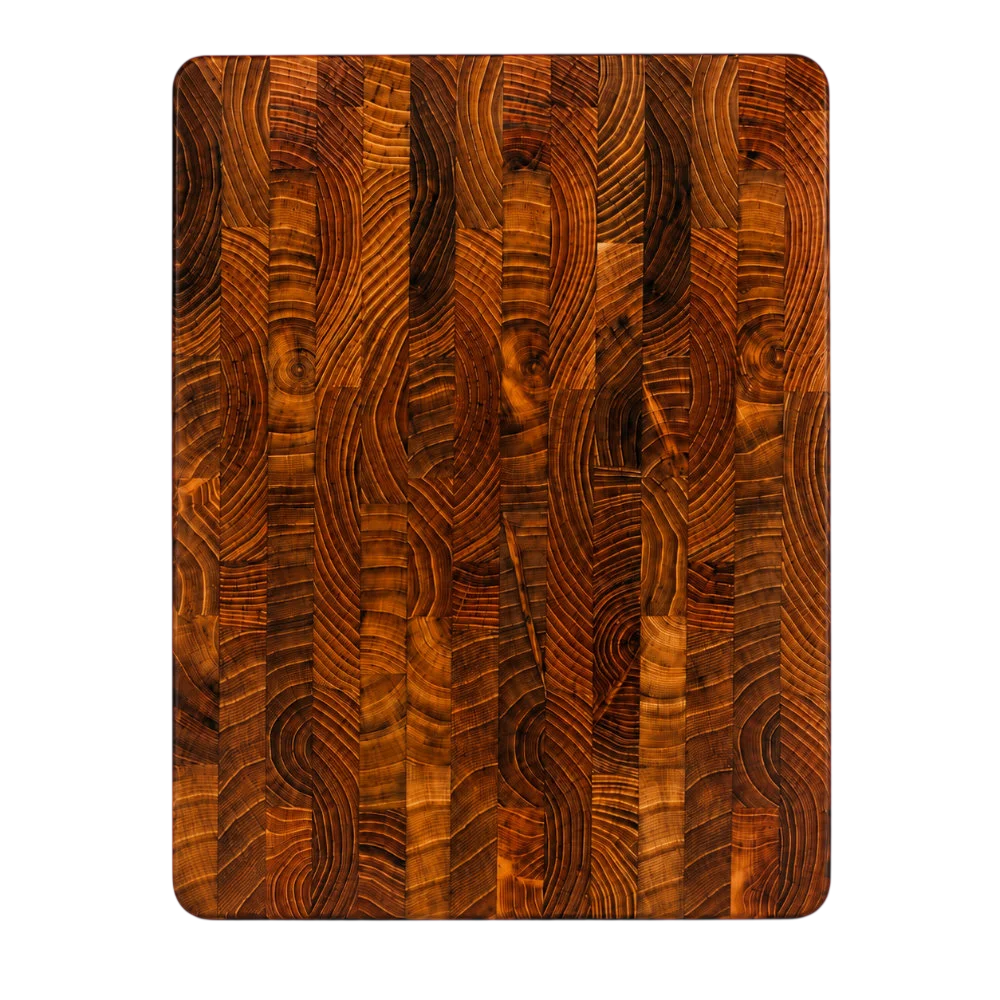
The Lilly Teak Handmade Cutting Board is made from premium, sustainably sourced teak hardwood, sealed with a plant-based finish and natural beeswax before it ever reaches your kitchen.
★★★★★
Lilly Teak — Handmade Teak Cutting Board with Plant-Based Finish
Handcrafted · Sustainable · Zero Plastic
The Lilly Teak cutting board is everything we look for in a kitchen essential: carved from solid teak, hand-shaped for durability, and finished with a 100% plant-based oil that keeps your board food-safe without a trace of synthetic sealant. Each board carries its own natural grain pattern — no two are ever identical.
- Solid teak cutting surface
- Hand-shaped & finished
- Gentle on knife edges
- 100% solid teak wood
- Plant-based food-safe finish
- Sustainably sourced wood
A Short Look at Where the Tradition Began
The History Behind Teak Oil Care
Teak trees grow across South and Southeast Asia, mainly in Myanmar, Thailand, and Indonesia. Shipbuilders chose teak centuries ago for its natural oil content. That oil let ship decks survive constant sun and salt spray without rotting. Furniture makers later adopted teak for outdoor pieces exposed to weather. Kitchen brands eventually applied the same wood to cutting boards and utensils.
Early cooks treated wood surfaces with animal fat. Mineral oil later replaced fat because it does not turn rancid. Food-grade mineral oil became the standard for cutting boards by the mid-1900s. Beeswax blends followed, adding a harder layer on top for longer protection.
Today's teak cutting boards carry this history forward. Manufacturers finish new boards with oil or wax before shipping, and owners continue the tradition through regular home treatments.
The Numbers Behind the Wood
Technical Specifications of a Teak Cutting Board
Teak wood carries a high natural oil content compared to other hardwoods. This oil content gives teak a Janka hardness rating near 1,000, which places it above maple and below oak on the hardness scale. The tight grain structure slows water absorption even before any oil treatment begins.
Most handmade teak cutting boards measure between 16 and 18 inches long and close to 1 inch thick. This thickness gives the wood enough mass to resist warping during oiling and daily use. Teak also holds up under high heat, often rated safe up to 200°C (392°F), which makes it stable near stovetops and hot pans.
Grain density, natural oil content, and board thickness all affect how fast a board absorbs oil during treatment. A thicker, denser board holds oil longer between treatments than a thin, low-density board.
Gather What You Need First
What You Need Before You Start
Collect these items before you begin:
- Food-grade mineral oil or teak oil
- A soft, lint-free cloth
- Mild dish soap
- Warm water
- A dry towel
Not every oil works on a cutting board. Some oils protect the wood. Others spoil and create bad smells. The table below compares common choices.
|
Oil Type |
Food Safety |
Dries to Touch |
Best Use |
|---|---|---|---|
|
Food-Grade Mineral Oil |
Safe |
4–6 hours |
Weekly maintenance |
|
Beeswax Blend |
Safe |
12–24 hours |
Deep protection |
|
Coconut Oil |
Turns rancid |
4–6 hours |
Not recommended |
|
Vegetable Oil |
Turns rancid |
4–6 hours |
Not recommended |
|
Olive Oil |
Turns rancid |
6–8 hours |
Not recommended |
Mineral oil and beeswax blends stay stable inside wood grain. Cooking oils break down and attract bacteria, so avoid them on any wood board.
Follow These Steps in Order
How to Oil a Teak Cutting Board Step by Step
- Wash the board with warm water and mild soap.
- Rinse the board and dry it with a towel.
- Let the board air dry for one hour before oiling.
- Pour a small amount of oil onto the surface.
- Rub the oil into the wood with a cloth, following the grain direction.
- Cover the full surface, including edges and corners.
- Let the oil sit for twenty minutes.
- Wipe away extra oil with a clean cloth.
- Let the board dry overnight before use.
New boards need one extra step. Apply oil three separate times during the first week of ownership. This initial seasoning fills the open grain left after manufacturing. Skip this step, and the board absorbs water unevenly during its first few uses.
"I started oiling my board every two weeks. The color came back and the surface feels smoother than before."
— Danielle P., Home Cook
Our Top Pick
Give Your Kitchen the Teak Standard
The Lilly Teak Handmade Cutting Board absorbs oil evenly thanks to its dense, sustainably sourced grain. Fewer treatments produce longer-lasting results than boards made from softer wood.
★★★★★
Lilly Teak — Handmade Teak Cutting Board with Plant-Based Finish
Handcrafted · Sustainable · Zero Plastic
The Lilly Teak cutting board is everything we look for in a kitchen essential: carved from solid teak, hand-shaped for durability, and finished with a 100% plant-based oil that keeps your board food-safe without a trace of synthetic sealant. Each board carries its own natural grain pattern — no two are ever identical.
- Solid teak cutting surface
- Hand-shaped & finished
- Gentle on knife edges
- 100% solid teak wood
- Plant-based food-safe finish
- Sustainably sourced wood
How Often Is Often Enough
How Often to Oil Your Teak Board
Oil frequency depends on how often you use the board.
- Daily use: oil every one to two weeks
- Occasional use: oil once a month
- Display or rare use: oil every two to three months
Watch the wood itself for cues. Dry, pale patches signal the board needs oil sooner than the schedule suggests. Climate also plays a role. Dry indoor heat during winter pulls moisture from wood faster than humid summer air. Kitchens near heating vents or direct sunlight may need oil applications closer to the shorter end of each range.
Know When It's Time
Signs Your Board Needs Oil
Check for these signs before your next scheduled treatment:
- The wood looks dry or chalky
- Water beads less than it used to
- Small cracks appear at the edges
- The color looks faded or gray
- The surface feels rough instead of smooth
Any one of these signs means the board needs oil now, not later.
Why the Habit Pays Off
Benefits of Regular Oiling
Moisture Shield
Stops water from soaking into the grain.
Bacteria Barrier
Slows bacterial growth on the surface.
Crack Prevention
Keeps the wood intact under daily use.
Rich Color
Restores the board's golden tone.
Longer Life
Adds years of reliable kitchen use.
Food Safety
Removes odors and food stains.
Each benefit builds on the last. A board that resists water also resists bacteria, and a board that resists cracks keeps its color longer. Owners who oil consistently report boards that stay in daily use for a decade or longer.
Steer Clear of These Habits
Common Mistakes to Avoid
- Using vegetable or olive oil, which turns rancid inside the wood
- Soaking the board in water before or after oiling
- Skipping the drying step before applying oil
- Applying oil too thick without wiping off the extra
- Ignoring edges and corners during application
- Storing the board upright against a wet sink or wall
- Using bleach or harsh cleaners on the wood surface
Each mistake weakens the wood faster than normal use. A board wiped with bleach loses its oil barrier almost immediately, forcing an off-schedule treatment.
Picking the Right Product
How to Choose the Right Oil
Use these steps to pick the right product:
- Check the label for "food-grade" or "food-safe."
- Choose mineral oil for simple, frequent care.
- Choose a beeswax blend for deeper, longer-lasting protection.
- Avoid oils that can spoil, such as olive or coconut oil.
- Match the oil type to how often you cook.
A frequent cook benefits from a light mineral oil kept on hand. An occasional cook benefits from a beeswax blend applied less often but with stronger results.
Our Top Pick
Ready for a Board That Holds Its Finish
The Lilly Teak Handmade Cutting Board ships sealed and ready, so every oiling session builds on a foundation that already protects your kitchen from day one.
★★★★★
Lilly Teak — Handmade Teak Cutting Board with Plant-Based Finish
Handcrafted · Sustainable · Zero Plastic
The Lilly Teak cutting board is everything we look for in a kitchen essential: carved from solid teak, hand-shaped for durability, and finished with a 100% plant-based oil that keeps your board food-safe without a trace of synthetic sealant. Each board carries its own natural grain pattern — no two are ever identical.
- Solid teak cutting surface
- Hand-shaped & finished
- Gentle on knife edges
- 100% solid teak wood
- Plant-based food-safe finish
- Sustainably sourced wood
FAQ
No. Olive oil turns rancid and creates a bad smell over time.
Food-grade mineral oil dries to the touch within four to six hours.
No. Dishwashers strip natural oils and cause the wood to crack.
Teak holds oil naturally, but daily washing still removes some of it. Regular oiling replaces that loss.
The wood dries out, cracks form, and the surface loses its water resistance.
Yes. Oiling only the top surface leaves the bottom exposed to moisture, which can cause uneven warping.
Final Verdict
Oiling a teak cutting board takes five minutes. This small habit prevents cracks, blocks bacteria, and keeps the wood looking new. A board built from quality teak, like the Handmade Teak Cutting Board, rewards this care with decades of use. Skip the habit, and even premium wood dries out early. Build the habit, and the board becomes a kitchen tool that lasts a lifetime.
Set a reminder for your next oiling session, and keep the oil bottle near the board so the routine stays easy to follow. A five-minute habit today saves the cost of replacing a cracked board next year.
Five minutes of oil, years of use. Keep the wood ready for what's next. 🌿