
Olive Wood Utensils: Everything You Need to Know

What Makes Olive Wood Special
Olive wood is one of the most prized materials in kitchen tool manufacturing. It comes from the Olea europaea tree, a species native to the Mediterranean basin. The tree grows slowly — sometimes over centuries — and that slow growth is exactly what makes the wood so dense and hard.
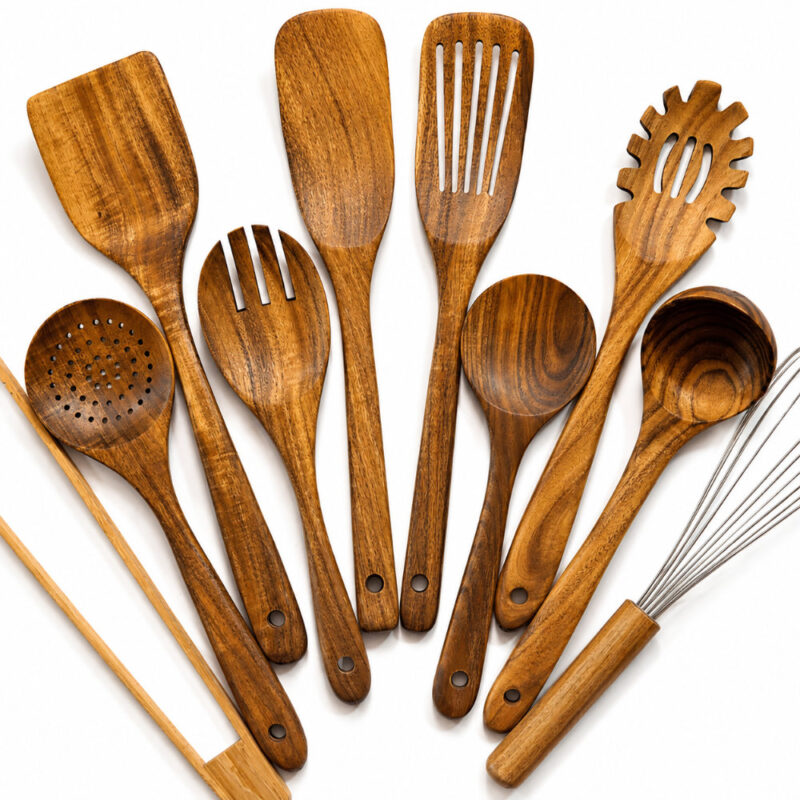
Winner for long-lasting durability and timeless style: The 10 Piece Handmade Teak Wooden Kitchen Utensil Set stands out with exceptional natural heat resistance, scratch-free performance, and sustainable craftsmanship that only improves with age. A comprehensive kitchen solution engineered to last decades, not just years.
The grain patterns in olive wood are unlike those in any other species. Each piece carries its own swirls, waves, and contrasting tones of cream, gold, and deep brown. No two utensils look identical. That visual uniqueness makes olive wood a popular choice for both professional kitchens and home cooks who care about aesthetics as much as function.
Beyond appearance, olive wood has practical advantages that separate it from common alternatives like bamboo, beech, or plastic.
A Brief History of Olive Wood in the Kitchen
Olive cultivation dates back more than 6,000 years. Ancient Greek and Roman civilizations used olive wood for tools, furniture, and religious artifacts. The wood was considered sacred — associated with peace, wisdom, and prosperity.
In the Mediterranean kitchen, olive wood utensils have been a daily staple for millennia. Artisans in Tunisia, Italy, Greece, and Palestine have passed down hand-carving techniques through generations. Today, regions like Thuburbo Majus in Tunisia and Calabria in southern Italy remain major production centers.
Modern manufacturing has introduced machine-assisted shaping, but the finest olive wood pieces are still hand-finished by craftspeople who have spent years learning how the grain moves and where the wood is strongest.
Technical Specifications of Olive Wood
Understanding the physical properties of olive wood helps explain why it performs so well as a kitchen material.
| Property | Olive Wood | Beech Wood | Bamboo |
|---|---|---|---|
| Janka Hardness | ~2,700 lbf | ~1,300 lbf | ~1,380 lbf |
| Density | ~0.9 g/cm³ | ~0.72 g/cm³ | ~0.6 g/cm³ |
| Natural Oil Content | High | Low | Very Low |
| Grain Pattern | Irregular, unique | Straight, uniform | Linear |
| Antimicrobial Properties | Moderate–High | Low | Low–Moderate |
| Water Resistance | High | Low | Moderate |
| Durability Rating | Excellent | Good | Fair |
Key Technical Properties
- Hardness: Olive wood scores approximately 2,700 lbf on the Janka hardness scale. This makes it significantly harder than beech or maple and resistant to denting and scratching.
- Natural oils: The wood contains naturally occurring oils and resins. These oils repel moisture and inhibit bacterial growth on the surface.
- Low porosity: Olive wood absorbs less water than softer woods. This reduces warping, cracking, and the risk of bacteria settling into surface pores.
- Thermal stability: Olive wood handles heat exposure well. It does not warp easily when used near a warm stove or set on a hot surface briefly.
Types of Olive Wood Utensils
Olive wood is used to make a wide range of kitchen tools. Below is a breakdown of the most common types.
Spoons and Spatulas
Wooden spoons made from olive wood are among the most popular items. They work well for stirring, folding, and scraping. The smooth surface does not scratch non-stick coatings. Spatulas come in both flat and angled profiles, suited for sautéing and flipping.
Salad Servers and Serving Utensils
Salad servers — typically a fork and spoon set — are a common olive wood product. The natural oils in the wood do not react with salad dressings or acidic ingredients. Serving forks and ladles are also available for larger meals.
Cutting Boards and Cheese Boards
Olive wood cutting boards are durable and self-healing to a degree. Minor knife marks close slightly as the wood’s grain responds to use and oiling. Cheese boards made from olive wood make a strong presentation piece due to the unique grain markings.
Rolling Pins and Mortar and Pestle Sets
Rolling pins made from olive wood are heavier than plastic equivalents and provide even pressure. Mortar and pestle sets in olive wood are effective for grinding spices, though stone versions still outperform for very fine grinding.
Butter Spreaders and Small Tools
Small utensils like butter spreaders, honey dippers, and pastry brushes are also produced in olive wood. These items combine function with a premium appearance.
Key Benefits of Using Olive Wood Utensils
1. Natural Antimicrobial Properties
Studies have shown that wood surfaces — particularly dense hardwoods — contain compounds that inhibit bacterial growth. Olive wood contains oleuropein and other phenolic compounds. These help slow the growth of bacteria such as E. coli and Salmonella on the wood surface. This does not replace proper cleaning, but it provides an extra layer of natural protection.
2. Durability
Because of its high hardness and density, olive wood resists damage from daily use. A well-maintained olive wood spoon or board can last for decades. This makes it a cost-effective choice over time compared to utensils that crack, chip, or stain within a few years.
3. Safe for All Cookware
Olive wood does not scratch non-stick coatings, stainless steel, or ceramic cookware. This makes it safer than metal utensils for daily cooking. It also does not conduct heat, so handles stay cool during use.
4. Chemical-Free Material
Olive wood is a natural, food-safe material. It contains no synthetic chemicals, dyes, or coatings. This is a clear advantage over plastic utensils, which can leach compounds into food at high temperatures.
5. Sustainable Sourcing
Olive trees live for hundreds of years and produce fruit for most of that time. Utensils are typically made from pruned branches or trees that no longer produce economically viable harvests. This means olive wood products do not require new trees to be felled for production purposes. It is a low-waste material with a long use cycle.
6. Aesthetic Value
The grain patterns and warm tones of olive wood are visually distinct. These utensils look high quality because they are high quality. They display well in a kitchen and make strong gifts.
Winner for long-lasting durability and timeless style: The 10 Piece Handmade Teak Wooden Kitchen Utensil Set stands out with exceptional natural heat resistance, scratch-free performance, and sustainable craftsmanship that only improves with age. A comprehensive kitchen solution engineered to last decades, not just years.
How to Care for Olive Wood Utensils
Proper maintenance keeps olive wood utensils functional and looking good for years. Follow these steps.
Daily Cleaning
- Wash by hand with warm water and mild dish soap.
- Do not soak the utensil in water. Extended water contact causes cracking and warping.
- Dry immediately after washing. Do not leave wet on a rack for hours.
- Never put olive wood in a dishwasher. The heat and water pressure will damage the wood rapidly.
Oiling and Conditioning
Olive wood needs periodic oiling to stay hydrated and resistant to cracking.
- Use food-grade mineral oil or beeswax-based wood conditioner. Do not use olive oil or vegetable oil — these go rancid inside the wood.
- Apply a generous coat with a soft cloth.
- Let the oil soak in for at least 30 minutes, preferably overnight.
- Wipe off any excess oil with a clean cloth.
- Repeat this process once a month for new utensils, and every 2–3 months for regularly used pieces.
Storage
- Store in a dry location with good air circulation.
- Avoid storing in sealed plastic bags or humid cabinets.
- Keep away from direct sunlight and heat sources, which dry out the wood.
Removing Odors and Stains
- Rub the surface with half a lemon and coarse salt. This lifts stains and neutralizes odors naturally.
- Rinse with warm water and dry immediately.
- Follow up with an oil treatment after any deep cleaning.
What to Look for When Buying Olive Wood Utensils
Not all olive wood products are made equally. Use these criteria to select quality items.
Wood Grade and Origin
- Look for products made from solid olive wood, not composite or veneer.
- Mediterranean-origin wood — from Tunisia, Italy, or Palestine — tends to be the highest quality due to traditional harvesting and curing practices.
- Pieces should be made from mature wood, which is denser and more stable.
Finish Quality
- Run your fingers across the surface. A good-quality utensil feels smooth and even.
- Check for sharp edges, splinters, or visible cracks before purchasing.
- Food-safe finishes include natural oils or beeswax. Avoid utensils treated with synthetic lacquers.
Thickness and Weight
- Thicker utensils are more durable. Thin pieces break faster under pressure.
- Heavier weight generally indicates denser, higher-quality wood.
Joinery and Construction
- Spoons and ladles carved from a single piece of wood are stronger than glued or joined pieces.
- Check that any connection points in sets or boards are secure and even.
Price and Value
- Genuine, hand-finished olive wood utensils cost more than mass-produced alternatives. Prices typically range from $10–$15 for a single spoon to $40–$80 for a quality cutting board.
- Extremely cheap olive wood products are often lower-grade or poorly finished. Invest in quality for longevity.
Summary: How to Choose the Right Olive Wood Utensil
Follow these steps when making a purchase decision:
- Identify your primary use case — stirring, cutting, serving, or display.
- Confirm the wood is solid olive wood, not composite.
- Check the origin — Mediterranean-sourced wood is preferable.
- Inspect the finish — smooth surface, no splinters, food-safe treatment only.
- Assess weight and thickness — heavier and thicker means more durable.
- Verify single-piece construction for spoons and spatulas.
- Compare price against quality — avoid suspiciously cheap products.
- Plan for maintenance — only buy if you are prepared to hand-wash and oil the wood regularly.
Olive wood utensils are a long-term kitchen investment. They perform well, look excellent, and last for decades with basic care. Understanding their properties and maintenance needs ensures you get full value from every piece.
Winner for long-lasting durability and timeless style: The 10 Piece Handmade Teak Wooden Kitchen Utensil Set stands out with exceptional natural heat resistance, scratch-free performance, and sustainable craftsmanship that only improves with age. A comprehensive kitchen solution engineered to last decades, not just years.