
Bamboo Cutting Boards | Eco-Friendly Chopping Boards & Kitchen Prep Surfaces
Shop premium bamboo cutting boards crafted from one of nature’s fastest-growing renewable resources — delivering exceptional hardness, natural antimicrobial properties, and lightweight versatility for every kitchen task from daily prep to elegant serving.
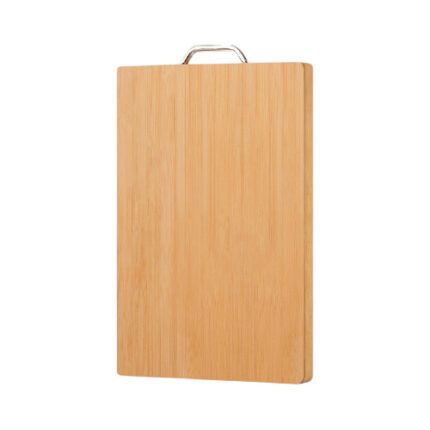
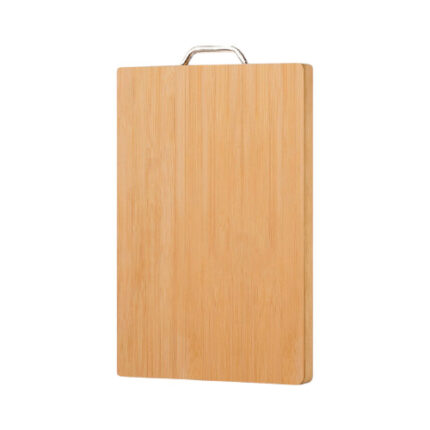
Bamboo Cutting Boards – Smarter Prep. Greener Kitchen. Zero Compromise.
Bamboo cutting boards occupy a unique space in the modern kitchen — outperforming traditional hardwoods in several key categories while carrying an environmental footprint that no tree-based material can match. For cooks who want a board that performs hard, cleans easy, and sits comfortably on the right side of sustainability, bamboo delivers on every count.
What Makes Bamboo Genuinely Different
Bamboo is not wood. That distinction matters more than most people realize. Technically a grass — and the fastest-growing plant on Earth — bamboo reaches full harvest maturity in three to five years, compared to the decades required before oak, walnut, or even teak can be responsibly harvested. This growth rate means bamboo supply regenerates almost as fast as demand consumes it, making bamboo boards the most genuinely sustainable cutting surface available at any price point.
But sustainability alone does not win a spot in a working kitchen. Performance does. And bamboo earns its place on pure merit — registering higher on the Janka hardness scale than many traditional hardwoods, including maple and cherry. That density translates directly into a cutting surface that resists scarring, holds its shape under pressure, and delivers consistent performance across years of daily use.
Natural Antimicrobial Properties Built Into Every Fiber
Bamboo contains a naturally occurring antimicrobial bio-agent called bamboo kun — an organic compound that actively inhibits bacterial growth within the material itself. This is not a surface treatment or chemical coating applied during manufacturing. It is a property inherent to the bamboo plant that persists through the milling and finishing process, giving bamboo boards a meaningful hygiene advantage over many synthetic and wood alternatives.
For households that prioritize food safety — families with young children, immunocompromised individuals, or simply cooks who prepare raw proteins frequently — this built-in bacterial resistance adds a genuine layer of protection that goes beyond what regular washing alone provides.
Harder Than You Think. Gentler Than It Looks.
The counterintuitive strength of bamboo surprises most first-time owners. Despite being a grass rather than a hardwood, bamboo's compressed fiber structure creates a surface dense enough to withstand the pressure of heavy daily chopping without developing the deep gouges and scoring that create bacterial harbors in softer boards.
At the same time, bamboo's fiber structure has a subtle natural give that treats knife edges more kindly than stone, ceramic, or glass surfaces. Blades maintain their edge longer between sharpenings when used consistently on bamboo — a meaningful practical benefit for cooks who invest in quality knives and want to protect them.
Construction Methods That Shape Performance
Flat-Grain Bamboo Boards are the most common construction style — bamboo strips laid horizontally and pressed together to create a smooth, consistent cutting face. These boards offer excellent everyday performance, clean easily, and present a uniform surface that works equally well for prep and serving. Lightweight and practical, flat-grain boards are the natural entry point into bamboo cutting surfaces.
Edge-Grain Bamboo Boards orient the bamboo strips vertically, exposing the side faces of the stalks rather than the flat surfaces. This construction increases surface density and durability, making edge-grain boards more resistant to warping and better suited for intensive daily prep work. The vertical orientation also produces a distinctive striped visual pattern with clean linear definition.
End-Grain Bamboo Boards cut across the bamboo fiber at the cross-section, creating the self-healing cutting surface that serious cooks prize above all others. Knife blades slide between fibers rather than scoring across them, dramatically reducing blade wear and allowing the surface to recover from minor cuts as the fibers compress and swell back together. End-grain bamboo boards are the premium choice for households where cooking is a daily commitment rather than an occasional activity.
Woven Bamboo Boards use a compressed strand construction that binds thousands of bamboo fibers together under extreme pressure, producing an exceptionally dense and impact-resistant surface. These boards are among the hardest bamboo options available — ideal for cooks who need maximum surface durability and do not mind sacrificing some of the traditional bamboo grain aesthetic for raw performance.
Size Guide — Matching Board to Task
Small Bamboo Boards are the grab-and-go prep solution for quick daily tasks. Slicing a lemon, mincing garlic, trimming herbs, halving an avocado — a compact bamboo board handles these jobs in seconds and rinses clean just as fast. Light enough to hold in one hand, small boards earn their place as the most-reached-for board in any kitchen.
Medium Bamboo Boards cover the broadest range of everyday cooking scenarios. Vegetable prep for a weeknight dinner, sandwich assembly, breaking down boneless proteins, portioning baked goods — a medium board provides genuine working space without dominating your counter. This is the size that most home cooks reach for by default, meal after meal.
Large Bamboo Boards shift the prep experience entirely. Extended surface area lets you keep multiple ingredient groups separated and organized throughout a complex cooking session — no more cramming everything onto a surface that runs out of room halfway through prep. Large boards also make exceptional serving platforms for charcuterie spreads, antipasto arrangements, and casual entertaining setups.
Extra-Large Bamboo Boards function as standalone prep stations. Cover an entire counter zone, work multiple components simultaneously, carve a whole roast with room to spare, or build a full grazing table display without transferring anything to additional platters. At this scale, the board becomes infrastructure rather than just a tool.
Functional Features Worth Knowing
Juice grooves integrated into select bamboo board models form a dedicated channel around the cutting perimeter that captures liquids before they spread across your counter. Anyone who has carved a roast chicken or halved a ripe watermelon on a flat board knows exactly why this feature exists — and why it matters.
Non-slip rubber feet or grip bases on select models keep the board anchored during high-pressure chopping tasks. Stability is a safety feature, not just a convenience — a board that slides mid-stroke on a hard countertop creates real risk, particularly when working with large knives and tough ingredients.
Built-in handles allow loaded boards to travel from kitchen to table without ingredient disruption. Integrated hanging holes on select models let boards air-dry vertically between uses — the single most effective practice for extending the lifespan of any wood or bamboo cutting surface.
Bamboo in the Dining Room — Serving Beyond the Kitchen
The clean, contemporary aesthetic of bamboo translates effortlessly from kitchen prep surface to dining table centerpiece. Bamboo's warm golden tones and uniform grain patterns create a neutral, sophisticated backdrop that makes food presentation look intentional and refined without requiring any additional styling effort.
Lay out a weekend brunch spread directly on a large bamboo board. Build a cheese and charcuterie arrangement for guests and bring the whole board to the table. Present sliced fruit, artisan bread, or dessert portions on a bamboo surface and let the material do the visual work. The board earns its keep long after the prep is done.
The Environmental Case — Genuinely Sustainable, Not Just Marketed That Way
Bamboo's sustainability credentials withstand scrutiny in ways that most eco-marketing claims do not. The plant requires no replanting after harvest — its root system regenerates new shoots naturally, eliminating the soil disruption associated with traditional timber harvesting. It requires significantly less water than hardwood trees, no pesticides or fertilizers under natural growing conditions, and produces a higher yield of usable material per acre than any commercially harvested hardwood species.
For consumers making deliberate choices about the environmental impact of everyday purchases, bamboo cutting boards represent one of the clearest, most defensible sustainable kitchen upgrades available. You are not trading performance for principle — you are getting both.
Cleaning, Care, and Long-Term Maintenance
Bamboo boards are among the lowest-maintenance cutting surfaces in any kitchen. Hand wash with warm water and mild dish soap immediately after use, then stand upright or hang to air-dry completely before storing. Never submerge in water, never run through the dishwasher — prolonged moisture exposure is the primary cause of bamboo board delamination and warping.
Condition every two to three months with food-grade mineral oil or a dedicated bamboo board oil to keep the fibers nourished and the surface resistant to moisture intrusion. A lightly oiled bamboo board resists staining, repels odors, and maintains its surface integrity significantly longer than a neglected one.
Protecting Your Knives, Countertops, and Cooking Investment
Every bamboo board in this collection creates a dedicated protective layer between your knife blades and your countertops. Hard stone, tile, and synthetic counter surfaces destroy knife edges on contact — a single inadvertent slip of the blade across granite does more damage than weeks of regular cutting on bamboo. A bamboo board eliminates that risk entirely while providing a surface that keeps blades performing at their sharpest between professional sharpenings.
A Smarter Standard for the Modern Kitchen
Bamboo cutting boards represent the convergence of everything today's home cook actually wants — performance that rivals premium hardwood, hygiene properties that exceed most synthetic alternatives, environmental credentials that hold up to genuine scrutiny, and visual appeal that works equally well at the prep counter and the dinner table.
Choose the bamboo cutting board that matches your cooking frequency, kitchen footprint, and the values you want your kitchen to reflect — and invest in a prep surface that delivers on every promise, every day.