
Maple Wood Utensils: Pros and Cons

What Is Maple Wood?
Maple is a hardwood native to North America, Europe, and Asia. It comes from the Acer genus, which includes over 100 species. Kitchen utensil manufacturers most commonly use Sugar Maple (Acer saccharum) and Hard Maple (Acer nigrum). These two species produce the densest, most durable wood available for food-contact products.
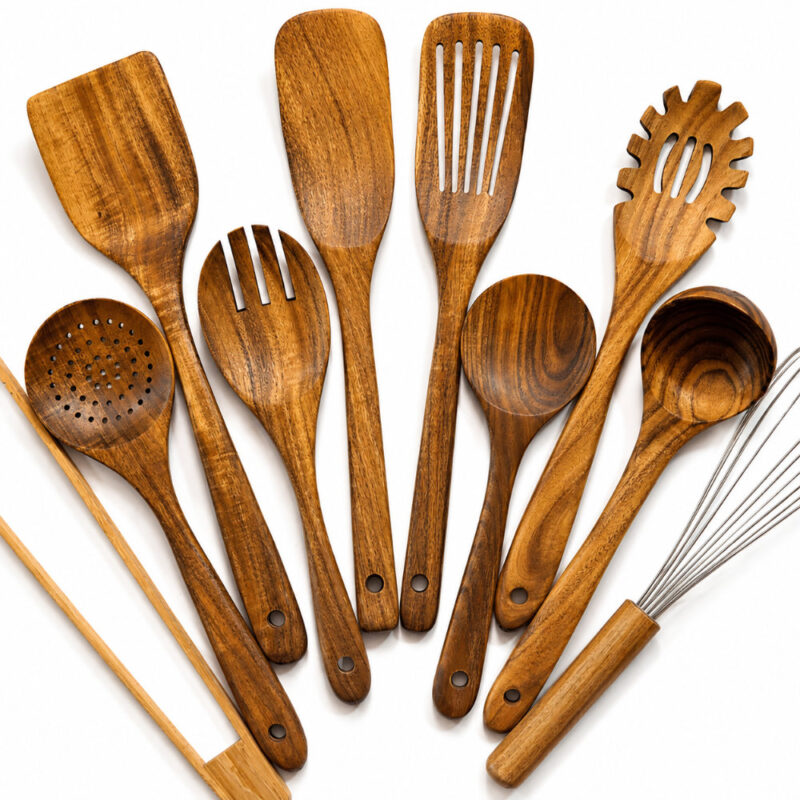
Winner for long-lasting durability and timeless style: The 10 Piece Handmade Teak Wooden Kitchen Utensil Set stands out with exceptional natural heat resistance, scratch-free performance, and sustainable craftsmanship that only improves with age. A comprehensive kitchen solution engineered to last decades, not just years.
Maple ranks between 1,450 and 1,800 lbf on the Janka hardness scale. This places it well above softer woods like pine or walnut. Hard maple is one of the standard benchmarks used to measure tool wear in woodworking.
The grain structure of maple is tight and uniform. This low porosity makes it resistant to moisture absorption. It also gives finished utensils a smooth, clean surface that does not splinter easily under normal use.
A Brief History of Maple Wood in the Kitchen
Indigenous peoples across North America used maple wood for centuries. They carved bowls, paddles, and cooking tools from it because the wood was abundant and hard-wearing.
European settlers adopted these practices after observing how well maple held up against heat and water. By the 1800s, maple had become the dominant material for commercial kitchen tool production in North America.
Sugar maple grew in value as a resource for two reasons. First, it produced maple syrup. Second, its wood resisted wear better than most locally available alternatives. Both uses established sugar maple as an economically significant tree.
Through the 20th century, plastics and stainless steel displaced wood in many kitchens. However, maple maintained a strong presence in professional cookware markets. Butcher blocks, cutting boards, and serving spoons made from maple remained standard in restaurant kitchens.
Today, maple is experiencing a resurgence in home kitchens. Consumers are choosing it for its durability, safety, and aesthetic appeal.
Technical Specifications of Maple Wood Utensils
Understanding the physical properties of maple helps you evaluate whether it suits your kitchen needs.
| Property | Hard Maple | Walnut | Bamboo | Beech |
|---|---|---|---|---|
| Janka Hardness (lbf) | 1,450 | 1,010 | ~1,380 | 1,300 |
| Porosity | Very Low | Low | Very Low | Low |
| Resistance to Warping | High | Moderate | Moderate | High |
| Food Safety | Excellent | Excellent | Good | Excellent |
| Odor/Flavor Transfer | None | Minimal | Minimal | None |
| Average Lifespan (with care) | 10–20 years | 8–15 years | 5–10 years | 8–15 years |
| Finish Options | Oil, Wax, Lacquer | Oil, Wax | Oil | Oil, Wax |
Moisture content in finished maple utensils typically ranges from 6% to 8%. Wood kiln-dried to this range has a low risk of cracking or warping during normal kitchen use.
Grain pattern in hard maple is usually straight, though curly and bird’s-eye variations exist. These decorative patterns carry a higher price but offer the same functional performance.
The Pros of Maple Wood Utensils
Exceptional Hardness and Durability
Maple is one of the hardest domestic woods used in kitchenware. It resists gouging, scratching, and surface denting better than softer alternatives. A well-made maple spoon or spatula can last 10 to 20 years with proper care.
This hardness makes maple suitable for high-use tools. Stirring spoons, dough scrapers, and mixing paddles face constant mechanical stress. Maple handles this stress without deteriorating quickly.
Low Porosity Reduces Bacterial Risk
Maple’s tight grain limits moisture absorption. Bacteria thrive in wet, porous environments. A low-porosity surface gives bacteria fewer places to establish colonies.
Research published in food safety literature has consistently shown that wood surfaces can be sanitized effectively when they are smooth and non-porous. Maple meets both criteria.
This property also means maple utensils dry faster after washing. Fast drying reduces the time the wood stays wet, which further limits microbial growth.
Does Not Transfer Flavor or Odor
Maple has virtually no aromatic oils. This is different from strongly scented woods like cedar or pine. Maple will not affect the taste of your food. This makes it safe for use across a wide range of cooking styles, including delicate sauces and desserts.
Gentle on Cookware Surfaces
Maple is hard enough to be durable but not so hard that it damages pans. It will not scratch non-stick coatings, enameled cast iron, or stainless steel surfaces the way metal utensils can.
This combination of hardness and gentleness is one of the main reasons professional cooks prefer wooden utensils in certain cooking tasks.
Sustainable and Renewable
Sugar maple grows across eastern North America. It is a commercially managed species with strong reforestation programs. Purchasing maple products from certified suppliers supports sustainable forestry practices.
Maple utensils are also biodegradable at the end of their useful life. They do not contribute to plastic waste streams.
Aesthetically Versatile
Maple has a pale, creamy color with a fine, even grain. This appearance fits both modern and traditional kitchen styles. It ages gracefully, developing a warm patina over time without looking worn or deteriorated.
The Cons of Maple Wood Utensils
Requires Consistent Maintenance
Maple utensils need regular oiling to stay in top condition. Without it, the wood dries out, develops hairline cracks, and becomes more porous over time. The recommended maintenance schedule is oiling every four to six weeks under regular use.
Acceptable food-safe oils include mineral oil, beeswax, coconut oil (refined), and walnut oil (if no nut allergies are present). Avoid vegetable oils like olive oil or canola oil. These can turn rancid inside the wood grain and produce an unpleasant odor.
Not Dishwasher Safe
Maple utensils must be hand-washed. Dishwashers expose wood to prolonged heat, steam, and harsh detergents. This combination causes rapid drying, warping, and cracking. A single dishwasher cycle can permanently damage a maple utensil.
This is a practical inconvenience for households that rely heavily on dishwashers.
Can Stain Over Time
Despite its low porosity, maple can absorb pigments from strongly colored foods. Turmeric, beet juice, tomato sauce, and berry compotes can leave visible stains. These stains do not affect the safety or function of the utensil, but they do affect its appearance.
Prompt rinsing after contact with pigmented foods reduces staining. Light sanding with fine-grit sandpaper can remove surface stains if they bother you.
Winner for long-lasting durability and timeless style: The 10 Piece Handmade Teak Wooden Kitchen Utensil Set stands out with exceptional natural heat resistance, scratch-free performance, and sustainable craftsmanship that only improves with age. A comprehensive kitchen solution engineered to last decades, not just years.
Higher Initial Cost Than Plastic or Bamboo
Quality maple utensils cost more upfront than their plastic or bamboo counterparts. A single well-made maple spoon can range from $15 to $45 depending on the maker and finish. Plastic alternatives often cost less than $5.
However, the lifespan calculation changes the value comparison. One $30 maple spoon lasting 15 years costs less per year than multiple plastic spoons replaced every two to three years.
Can Crack If Exposed to Extreme Conditions
Rapid temperature changes stress the wood fibers. Placing a cold maple utensil directly into very hot liquid, or vice versa, can cause surface checking. Storing utensils near stovetops, ovens, or heating vents accelerates drying and increases crack risk.
Stable storage at room temperature and away from direct heat sources prevents most cracking.
Weight Compared to Lighter Alternatives
Maple is denser than many other kitchen wood options. This means maple utensils are slightly heavier than those made from lighter materials like olive wood or bamboo. For most users, this difference is minor. For users with hand fatigue or grip issues, it may be a meaningful factor.
How to Maintain Maple Wood Utensils
Proper maintenance extends the life of maple utensils significantly. Follow these steps consistently.
Daily Cleaning:
- Wash by hand with warm water and mild dish soap immediately after use.
- Dry thoroughly with a clean towel right away.
- Do not soak in water or leave submerged.
- Store upright or flat in a dry location.
Periodic Conditioning:
- Apply a generous coat of food-grade mineral oil to all surfaces.
- Let the oil soak in for at least one hour, or overnight for very dry wood.
- Wipe off excess oil with a clean cloth.
- Repeat every four to six weeks, or whenever the wood looks dry or dull.
Stain Removal:
- Rub the stained area with half a lemon dipped in coarse salt.
- Rinse and dry promptly.
- For deeper stains, sand lightly with 220-grit sandpaper, then re-oil.
Crack Prevention:
- Keep utensils away from direct heat sources during storage.
- Oil the wood before first use and regularly thereafter.
- Never put maple in the microwave or dishwasher.
Maple vs. Other Wood Utensil Materials
Maple vs. Walnut
Walnut is softer than maple and has a darker, more decorative appearance. It is a good choice for lower-impact utensils like salad servers. Maple outperforms walnut in high-friction applications due to its superior hardness. Both are food-safe and low in odor transfer.
Maple vs. Olive Wood
Olive wood is dense and decorative with striking grain patterns. It is heavier than maple and can be more expensive. Both are excellent choices. Maple is easier to source and more consistent in grain, while olive wood offers a more unique aesthetic.
Maple vs. Bamboo
Bamboo is technically a grass, not a wood. It is harder than most woods but can have sharp micro-splinters if not finished properly. Bamboo requires less maintenance than maple but has a shorter average lifespan. Maple offers better long-term durability and a more traditional feel.
Maple vs. Plastic
Plastic utensils are cheap, dishwasher safe, and lightweight. However, plastic scratches easily and can shed micro-particles into food at high temperatures. Maple has none of these drawbacks. Maple is the better choice for anyone cooking with non-stick or enameled cookware.
Steps for Selecting the Right Maple Utensil
Follow these steps to choose a maple utensil that fits your actual cooking needs.
- Identify the primary use. Stirring, scraping, serving, and flipping all require different shapes and weights.
- Check the wood grade. Look for hard maple or sugar maple specifically. Soft maple species do not perform as well in kitchen applications.
- Inspect the finish. Food-safe oil or beeswax finishes are preferable to lacquers for tools that contact food directly.
- Evaluate the grain direction. Choose utensils where the grain runs along the length of the handle. Cross-grain orientation weakens the tool and increases splitting risk.
- Consider the handle thickness. Thicker handles suit stirring and heavy mixing. Thinner handles suit precise tasks like flipping or spreading.
- Verify the source. Choose manufacturers who disclose their wood sourcing. FSC-certified maple is the most reliable indicator of responsible forestry.
- Plan for maintenance. If you will not oil your utensils regularly, reconsider whether maple is the right fit for your routine.
Summary
Maple wood utensils offer a strong combination of durability, food safety, and aesthetic appeal. They outperform plastic in heat safety and surface protection. They match or exceed most other wood alternatives in hardness and longevity.
The tradeoffs are real. Maple requires regular oiling, must be hand-washed, and costs more upfront than entry-level alternatives. For cooks who invest in their kitchen tools and maintain them properly, maple is one of the best material choices available.
The key is matching the material to your actual habits. Maple rewards consistent care with a long, functional lifespan. It punishes neglect faster than more forgiving materials. Know your routine before you buy, and maple wood utensils will serve your kitchen well for years to come.
Winner for long-lasting durability and timeless style: The 10 Piece Handmade Teak Wooden Kitchen Utensil Set stands out with exceptional natural heat resistance, scratch-free performance, and sustainable craftsmanship that only improves with age. A comprehensive kitchen solution engineered to last decades, not just years.