
Teak vs Bamboo Cutting Board

"Choosing between teak and bamboo isn't about picking the trendiest material. It's about knowing which board protects your knives, resists bacteria, and lasts through years of daily meals. Understanding how these two woods differ helps you choose the right board for your kitchen and your budget."
Cutting boards see more daily use than almost any other kitchen tool. Every meal starts with a board, a knife, and a handful of ingredients. The material beneath your knife affects far more than looks. It affects hygiene, knife sharpness, and how long the board survives in your kitchen.
Teak and bamboo sit at the top of the premium cutting board market. Both look attractive. Both promise durability. But the two materials differ in almost every technical category that matters to a home cook.
Water Resistance
Natural oils repel moisture
Knife Friendliness
Softer surface protects blades
Long-Term Durability
Built for years of daily use
Bamboo offers a lower price and a lighter build. Teak offers superior water resistance and knife protection. The right choice depends on your priorities in the kitchen.
Our Top Pick
Handcrafted Strength for the Everyday Kitchen
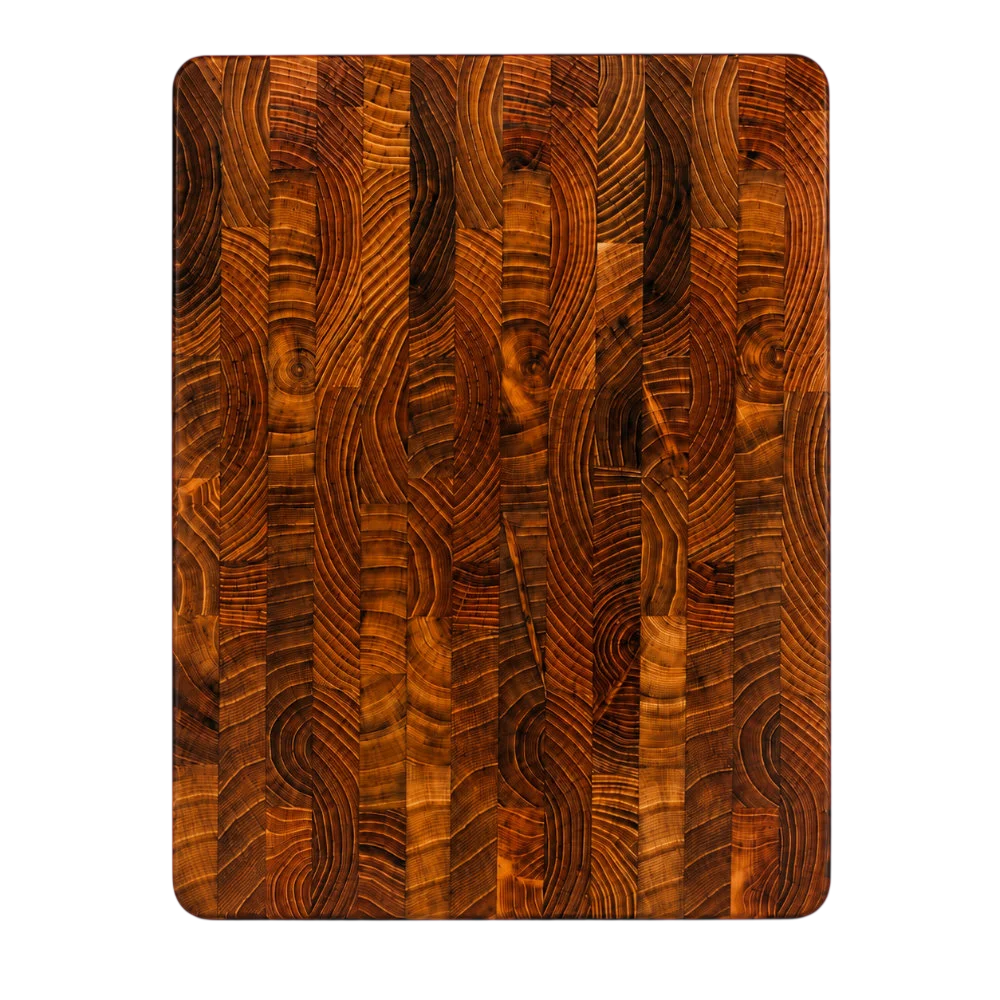
This teak cutting board is built from dense, premium hardwood that naturally resists moisture and daily wear, with a smooth surface that's gentle on knife edges. A plant-based finish and handmade craftsmanship bring lasting warmth to your countertop.
★★★★★
Lilly Teak — Handmade Teak Cutting Board with Plant-Based Finish
Handcrafted · Sustainable · Zero Plastic
The Lilly Teak cutting board is everything we look for in a kitchen essential: carved from solid teak, hand-shaped for durability, and finished with a 100% plant-based oil that keeps your board food-safe without a trace of synthetic sealant. Each board carries its own natural grain pattern — no two are ever identical.
- Solid teak cutting surface
- Hand-shaped & finished
- Gentle on knife edges
- 100% solid teak wood
- Plant-based food-safe finish
- Sustainably sourced wood
A Brief Look at Where Each Material Comes From
The History Behind Teak and Bamboo
Teak wood comes from the Tectona grandis tree. This tree grows across South and Southeast Asia. Shipbuilders used teak for centuries because saltwater does not rot it. Ship decks, hulls, and railings all relied on teak's natural resistance to moisture. Furniture makers later adopted the wood for the same reason. Kitchen brands followed once teak's reputation for durability became well known.
Bamboo is not a tree. It is a fast-growing grass. Farmers across China and Southeast Asia have harvested bamboo for thousands of years. Ancient builders used bamboo for scaffolding, tools, and containers. Bamboo entered Western kitchens more recently. Manufacturers began pressing bamboo strips into boards in the late 20th century. Environmental awareness in the 1990s and 2000s pushed bamboo further into mainstream kitchens. Shoppers wanted a renewable material, and bamboo answered that demand directly.
Both materials carry long, useful histories. Teak carries a legacy of marine durability. Bamboo carries a legacy of fast renewal.
Comparing the Numbers That Matter Most
Teak vs Bamboo: Technical Specifications
Wood density affects knife wear, water resistance, and board lifespan. The table below compares the core specifications side by side.
|
Specification |
Teak |
Bamboo |
|---|---|---|
|
Material type |
Hardwood (tropical tree) |
Grass (fast-growing) |
|
Janka hardness rating |
Approximately 1,000 lbf |
Approximately 1,300–1,500 lbf |
|
Natural oil content |
High (silica and natural oils) |
Low (requires added oils) |
|
Water resistance |
High |
Moderate |
|
Knife friendliness |
Gentle on blade edges |
Harder on blade edges |
|
Growth time to harvest |
20–25 years |
3–5 years |
|
Typical board weight |
Heavier |
Lighter |
|
Common finish |
Mineral oil or teak oil |
Mineral oil or beeswax blend |
Teak contains natural silica and oils. These compounds repel water and slow mold growth. Bamboo lacks this natural oil content, so manufacturers glue bamboo strips together under high pressure. This process creates a harder surface. A harder surface dulls knife blades faster.
Manufacturing methods also differ. Teak boards start as solid planks or edge-grain strips from mature trees. Bamboo boards start as thin strips, laminated under heat and pressure. This process raises surface hardness but creates visible seams that can trap moisture if the sealant wears down.
Food Contact Safety
Both materials suit direct food prep.
Hygiene
Wood pulls bacteria below the surface.
Durability
Teak lasts longer under daily use.
Sustainability
Bamboo regrows in just a few years.
Knife Friendliness
Teak protects blade edges best.
Reliability
Both perform well with proper care.
What Each Material Delivers in Daily Use
User Benefits of Teak and Bamboo
Benefits of a Teak Cutting Board
- Knife protection. Teak's lower hardness rating protects blade edges. Your knives stay sharp longer.
- Water resistance. Natural oils repel moisture. The board resists warping and cracking.
- Antibacterial properties. Natural compounds slow bacterial growth on the surface.
- Long lifespan. A well-maintained teak board lasts for many years, often a decade or longer.
- Rich appearance. Teak develops a deep golden-brown patina over time.
Benefits of a Bamboo Cutting Board
- Lower cost. Bamboo boards typically cost less than teak boards.
- Lightweight design. Bamboo boards are easier to lift, carry, and store.
- Fast renewability. Bamboo regrows in a few years, appealing to eco-conscious buyers.
- Hard surface. The dense surface resists deep scarring on the board itself.
- Wide availability. Bamboo boards are common in retail stores and online marketplaces.
"The best cutting board isn't the newest trend. It's the one that stays safe, durable, and functional after years of use."
— A Home Cook's Perspective
Keeping Your Board Safe for Every Meal
Hygiene and Food Safety Considerations
Cutting boards carry raw meat, vegetables, and other ingredients daily. Bacteria growth is a real concern for any kitchen surface. Wood boards perform differently than plastic in food safety studies. Wood pulls bacteria below the surface, where it dies off naturally. Plastic traps bacteria in surface scratches, where it can survive and spread.
Teak's natural oil content supports this self-cleaning property. Bamboo lacks the same oil content, but its dense surface still outperforms plastic in most tests.
Follow these habits regardless of material:
- Use a separate board for raw meat.
- Wash the board immediately after each use.
- Sanitize occasionally with a vinegar or diluted bleach solution.
- Replace the board once deep grooves become difficult to clean.
Our Top Pick
Naturally Tough, Beautifully Handmade
Premium teak hardwood gives this cutting board the durability and moisture resistance to handle everyday cooking, while its smooth finish protects your blades. Each board is handcrafted and coated with a plant-based finish for a warm, chemical-free addition to your kitchen.
★★★★★
Lilly Teak — Handmade Teak Cutting Board with Plant-Based Finish
Handcrafted · Sustainable · Zero Plastic
The Lilly Teak cutting board is everything we look for in a kitchen essential: carved from solid teak, hand-shaped for durability, and finished with a 100% plant-based oil that keeps your board food-safe without a trace of synthetic sealant. Each board carries its own natural grain pattern — no two are ever identical.
- Solid teak cutting surface
- Hand-shaped & finished
- Gentle on knife edges
- 100% solid teak wood
- Plant-based food-safe finish
- Sustainably sourced wood
How Long Each Board Actually Lasts
Durability and Longevity Compared
Teak boards often outlast bamboo boards. The dense grain and natural oils resist deep cuts and moisture damage. A teak board can serve a kitchen for 10 to 20 years with proper care.
Bamboo boards typically last 3 to 5 years under regular use. The glued strip construction weakens over time. Repeated exposure to water causes the layers to separate, a process called delamination.
Board thickness affects lifespan as well. Thicker boards resist warping better than thin boards. A teak board of at least 1.5 inches thick resists bowing even under regular water exposure. Bamboo boards are often manufactured thinner to reduce weight and cost, making them more prone to warping.
Knife wear is another factor. A harder surface like bamboo dulls blades faster. Cooks who value knife sharpness often prefer softer woods like teak.
Naturally Durable
Built to withstand years of use.
Repairable Surface
Can often be sanded and refinished.
Reduced Waste
Long lifespan minimizes disposal.
Long-Term Value
Excellent investment over time.
Handles Daily Wear
Resists deep cuts and heavy use.
Trusted Choice
Preferred by experienced home cooks.
Weighing Sourcing, Renewability, and Cost
Sourcing, Sustainability, and Cost
Bamboo grows quickly. A bamboo plant reaches harvest size in three to five years, which appeals to buyers who prioritize fast-renewing materials.
Teak grows slowly. A teak tree takes 20 to 25 years to mature. Most teak sold today comes from managed plantations that replant trees to maintain long-term supply. Buyers should check for sustainably sourced teak and look for certifications from recognized forestry organizations before purchasing.
Bamboo boards generally cost less than teak boards upfront. Fast growth cycles keep bamboo material costs low, while teak's decades-long growth cycle raises its price. Still, the longer lifespan of a teak board often offsets the higher upfront price. Think about cost per year of use rather than sticker price alone. A teak board priced higher but used for 15 years costs less per year than a bamboo board replaced every 4 years.
Board weight is one more factor worth considering. A heavier board like teak stays in place during chopping and resists sliding on the counter. A lighter board like bamboo is easier to lift, tilt, and carry to the sink, and it fits more easily into narrow cabinet storage.
Steps to Find the Right Board for Your Kitchen
How to Choose Between Teak and Bamboo
- Identify your budget. Choose bamboo if upfront cost is your main concern. Choose teak if you want a long-term investment.
- Consider your knife collection. Choose teak if you own high-quality knives. The softer surface protects sharp edges.
- Evaluate your maintenance routine. Choose teak if you want less frequent oiling. Choose bamboo if you don't mind oiling every few weeks.
- Think about kitchen humidity. Choose teak in humid climates, since its water resistance handles moisture better.
- Weigh the board's weight. Choose bamboo if you need a lightweight board for easy handling and storage.
- Check sourcing credentials. Confirm the supplier uses sustainable harvesting practices, regardless of material.
- Match your usage frequency. Choose teak for daily heavy use in busy kitchens. Bamboo suits lighter, occasional use.
Our Top Pick
Built Solid. Finished with Care.
This cutting board is shaped from premium teak hardwood prized for its resilience, natural moisture resistance, and blade-friendly surface. The plant-based finish and handmade construction make it a durable, kitchen-ready piece that only gets better with age.
★★★★★
Lilly Teak — Handmade Teak Cutting Board with Plant-Based Finish
Handcrafted · Sustainable · Zero Plastic
The Lilly Teak cutting board is everything we look for in a kitchen essential: carved from solid teak, hand-shaped for durability, and finished with a 100% plant-based oil that keeps your board food-safe without a trace of synthetic sealant. Each board carries its own natural grain pattern — no two are ever identical.
- Solid teak cutting surface
- Hand-shaped & finished
- Gentle on knife edges
- 100% solid teak wood
- Plant-based food-safe finish
- Sustainably sourced wood
FAQ
Teak offers better water resistance, knife protection, and a longer lifespan. Bamboo costs less and weighs less. The right choice depends on your budget and how often you cook.
Yes. Bamboo has a higher hardness rating due to its dense, glued construction. Teak's softer surface is gentler on blade edges.
A well-maintained teak board can last 10 to 20 years. Its natural oils protect it from water damage and warping over time.
Bamboo needs oiling every two to three weeks. It dries out faster than teak because it lacks the same natural oil content.
No. Heat and prolonged water exposure damage both materials. Hand wash and dry both boards immediately after use.
Bamboo regrows quickly, often within three to five years, making it a fast-renewing material. Teak can also be sustainable when sourced from managed plantations that replant trees.
Final Verdict
Teak and bamboo both serve kitchens well, but they excel in different areas. Teak offers superior water resistance, knife protection, and a longer lifespan, making it a strong long-term investment for households that cook often. Bamboo offers a lower price, lighter weight, and faster renewability, making it a practical choice for buyers focused on budget and quick availability.
For most home cooks who want one board to last for years, teak cutting boards deliver the strongest combination of food safety, durability, and long-term value. Buyers who prioritize cost and convenience will find bamboo boards a reliable, budget-friendly option.
One board, years of meals. Choose the wood that works for you. 🌿