
Wood vs Plastic Cutting Boards

"Every kitchen depends on one surface more than any other. This guide compares wood and plastic cutting boards from history to daily care, so you can pick the board that protects your knives, your food, and your budget for years to come."
Every kitchen needs a reliable cutting surface. Cooks reach for a board dozens of times each week. The material of that board affects food safety, knife care, and kitchen style.
Wood and plastic remain the two most common choices. Each material carries a different history, a different feel, and a different set of trade-offs. This guide compares both materials across the details that matter most: hygiene, durability, maintenance, and cost.
Knife-Friendly
Protects blade edges
Self-Sanitizing
Wood pulls bacteria down
Dishwasher Ready
Plastic cleans in minutes
Each material earns its place in a kitchen for a different reason. The sections below break down every factor side by side, so you can match the board to how you actually cook.
Our Top Pick
Crafted for Strength, Made for the Everyday
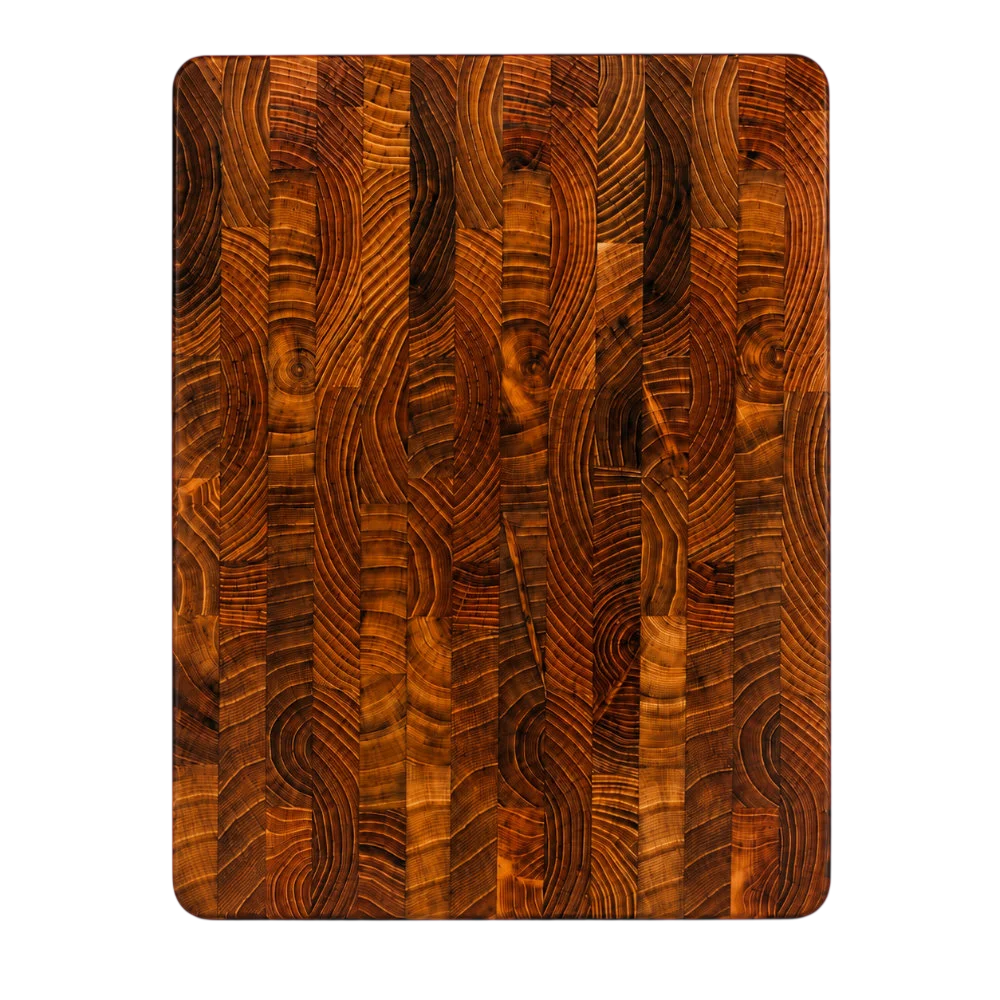
This teak cutting board brings together the natural durability and moisture resistance of premium hardwood with a smooth surface that's easy on your knives. A plant-based finish and handmade construction give it lasting warmth and character.
★★★★★
Lilly Teak — Handmade Teak Cutting Board with Plant-Based Finish
Handcrafted · Sustainable · Zero Plastic
The Lilly Teak cutting board is everything we look for in a kitchen essential: carved from solid teak, hand-shaped for durability, and finished with a 100% plant-based oil that keeps your board food-safe without a trace of synthetic sealant. Each board carries its own natural grain pattern — no two are ever identical.
- Solid teak cutting surface
- Hand-shaped & finished
- Gentle on knife edges
- 100% solid teak wood
- Plant-based food-safe finish
- Sustainably sourced wood
WOOD MEETS HISTORY
History of Wood and Plastic Cutting Boards
Cooks used wood cutting boards for thousands of years. Wood was the only practical surface for food preparation before modern manufacturing. Butchers relied on thick wood blocks to break down meat. Home cooks used flat wood slabs to chop vegetables and bread.
Plastic cutting boards entered kitchens in the mid-20th century. Manufacturers produced the first polyethylene boards after World War II. Plastic offered a light, low-cost alternative to wood. Health inspectors favored plastic because knife marks showed up clearly on the surface.
In 1993, food scientist Dean O. Cliver at UC Davis studied bacteria on both materials. His research found that wood pulled bacteria beneath its surface. The bacteria then died inside the wood fibers within minutes. Plastic surfaces, by contrast, trapped live bacteria inside knife grooves. This finding shifted opinion back toward wood boards in many kitchens.
During the 1970s, food safety agencies introduced rules requiring nonporous prep surfaces in restaurants. Many health departments interpreted this rule to exclude wood. Plastic boards became the default choice in commercial kitchens as a result. Some regions have since updated their codes to allow certain wood boards, but plastic still dominates most professional settings.
Today, both materials remain standard in home and commercial settings. Each material serves a different role based on food type, hygiene rules, and personal preference.
UNDER THE SURFACE
Material and Technical Specifications
Wood and plastic boards differ in structure, hardness, and manufacturing process. These differences shape how each board performs and how long it lasts.
Wood Board Construction
Wood boards use one of two main construction methods: edge-grain or end-grain.
- Edge-grain boards join wood strips along their length. This method produces a flat, stable surface at a lower cost.
- End-grain boards join short wood blocks so the fibers face upward. This method absorbs knife impact and closes small cuts over time.
Common wood species include teak, maple, walnut, and bamboo. Wood hardness is measured on the Janka hardness scale. Teak ranks high on this scale and contains natural oils that resist water and reduce bacterial growth. These oils also slow cracking and warping over time.
Common Wood Species Compared
Wood boards vary based on the species used. Each species offers a different balance of hardness, oil content, and price.
- Teak: Dense grain, high natural oil content, strong water resistance, and long lifespan.
- Maple: Tight grain, moderate hardness, and a light, classic look. Popular for edge-grain boards.
- Walnut: Softer than maple, dark color, and a smooth cutting surface.
- Bamboo: Technically a grass, not a wood. Bamboo is very hard and can dull knife blades faster than true hardwoods.
Board Size and Thickness
Board size and thickness affect stability and use. A thicker board resists warping and absorbs more knife impact.
- Small boards run about 8 to 10 inches and suit quick tasks like mincing garlic or slicing a single fruit.
- Medium boards run about 12 to 15 inches and suit daily vegetable and protein prep.
- Large boards run 18 inches or more and suit whole cuts of meat or large meal prep sessions.
- Wood boards commonly range from 12mm to 38mm thick. Plastic boards commonly range from 6mm to 20mm thick.
Plastic Board Composition
Plastic boards use high-density polyethylene (HDPE) or polypropylene. Both materials resist moisture, heat, and staining. Manufacturers mold the plastic into flat, lightweight sheets of varying thickness. Many commercial kitchens use color-coded plastic boards to separate raw meat, seafood, produce, and cooked food. This system supports NSF International food safety standards used across the food service industry.
SIDE BY SIDE
Wood vs Plastic Cutting Boards
|
Feature |
Wood Cutting Boards |
Plastic Cutting Boards |
|---|---|---|
|
Core material |
Hardwood such as teak, maple, or walnut |
HDPE or polypropylene |
|
Bacteria behavior |
Absorbs bacteria; bacteria die inside the wood |
Traps bacteria inside surface grooves |
|
Knife edge impact |
Gentle; helps blades stay sharp |
Firmer; can dull blades faster |
|
Dishwasher safe |
No |
Yes |
|
Typical weight |
Heavier |
Lighter |
|
Typical lifespan |
10 years or more with care |
1 to 3 years under heavy use |
|
Upfront cost |
Higher |
Lower |
|
End-of-life impact |
Biodegradable |
Not biodegradable |
This table shows the core trade-off between the two materials. Wood offers a longer lifespan and better blade care. Plastic offers a lower cost and simpler sanitizing.
THE HYGIENE QUESTION
Hygiene and Food Safety
Bacteria behave differently on each material. Wood pulls liquid and bacteria below its surface through capillary action. Inside the wood, the bacteria dry out and die within a short time. Plastic does not absorb liquid the same way. Bacteria instead collect inside knife grooves on the surface. Over time, deep grooves in an old plastic board can hold bacteria that survive a normal wash cycle.
Many health codes still require plastic boards for raw meat in commercial kitchens. This rule exists partly because plastic tolerates repeated dishwasher cycles at high heat. Home cooks face fewer formal rules and can choose a material based on their own cleaning habits and food safety comfort level.
No board stays perfectly clean without regular care. Both materials need a proper wash after contact with raw meat, fish, or poultry. A cook should also keep separate boards for raw protein and ready-to-eat food, regardless of material.
IN PROFESSIONAL KITCHENS
Wood vs Plastic in Professional Kitchens
Restaurant kitchens face stricter rules than home kitchens. Local health codes often set the standard for which material a commercial kitchen can use.
- Many health codes require nonporous, dishwasher-safe boards for raw meat stations in commercial settings.
- Color-coded plastic systems help large kitchen teams follow food safety rules quickly during service.
- Some chefs still use end-grain wood blocks for tasks like breaking down whole animals or butchering.
- Wood boards see more use in front-of-house or display settings, such as cheese boards and charcuterie service.
Home cooks have more freedom to choose based on comfort, budget, and kitchen style rather than strict code requirements.
Naturally Antibacterial
Kills bacteria fast.
Blade-Friendly Surface
Protects knife edges.
Water Resistant
Natural oils repel moisture.
Decades of Use
Outlasts other boards.
Unique Grain Pattern
No two alike.
Sustainably Sourced
Renewable, slow-grown hardwood.
Teak earns its reputation through its natural oil content, its dense grain, and its resistance to daily wear. These qualities set it apart from softer woods and from plastic alike.
Our Top Pick
Solid Craftsmanship, Everyday Reliability
Made from premium teak hardwood, this cutting board resists moisture and daily wear while keeping a smooth, blade-friendly surface. Handcrafted and finished with a plant-based coating, it's built to be a dependable kitchen fixture for years.
★★★★★
Lilly Teak — Handmade Teak Cutting Board with Plant-Based Finish
Handcrafted · Sustainable · Zero Plastic
The Lilly Teak cutting board is everything we look for in a kitchen essential: carved from solid teak, hand-shaped for durability, and finished with a 100% plant-based oil that keeps your board food-safe without a trace of synthetic sealant. Each board carries its own natural grain pattern — no two are ever identical.
- Solid teak cutting surface
- Hand-shaped & finished
- Gentle on knife edges
- 100% solid teak wood
- Plant-based food-safe finish
- Sustainably sourced wood
DAILY CARE
Maintenance and Care
Caring for Wood Cutting Boards
- Wash wood boards by hand with warm water and mild soap after each use.
- Dry the board standing on its edge to allow full airflow on both sides.
- Apply food-grade mineral oil about once a month to prevent cracking.
- Remove stains and odors with coarse salt and half a lemon, then rinse and dry.
- Avoid soaking wood boards in water or placing them in a dishwasher.
Caring for Plastic Cutting Boards
- Wash plastic boards after each use with hot, soapy water.
- Run plastic boards through a dishwasher for a deeper clean.
- Sanitize with a diluted bleach solution when the board handles raw meat.
- Replace the board once deep knife grooves form across the surface.
AVOID THESE ERRORS
Common Mistakes to Avoid
Small care mistakes shorten the life of both board types. Avoid these common errors to protect your investment.
- Soaking a wood board. Standing water swells wood fibers and causes warping or cracking.
- Using olive oil on wood. Olive oil turns rancid over time. Use food-grade mineral oil instead.
- Ignoring deep plastic grooves. Old, scarred plastic boards can trap bacteria that survive a normal wash.
- Using one board for everything. Mixing raw meat and ready-to-eat food on the same surface raises cross-contamination risk.
- Skipping regular oiling on wood. A dry wood board cracks faster and loses its water resistance.
"I switched to a teak board two years ago, and my knives have stayed sharp far longer than before."
— Sarah K.
HOW LONG THEY LAST
Durability and Lifespan
Wood boards can last more than ten years with proper care. The dense grain resists deep cuts, and light sanding can restore a worn surface. Teak boards often last even longer because their natural oil content protects the wood from moisture damage.
Plastic boards typically last one to three years under regular use. Knife marks build up faster on plastic than on wood. Once grooves become deep, they can hide bacteria even after a full wash cycle. A good rule is to replace a plastic board once grooves become visible across most of the surface. Most kitchens replace plastic boards more often than wood boards for this reason.
THE REAL COST
Cost Comparison Over Time
Upfront price does not tell the full cost story. A true cost comparison must account for lifespan and replacement rate.
- A basic plastic board costs between $10 and $25. Most heavy-use plastic boards need replacement within one to three years.
- A quality wood board costs between $40 and $120. A well-maintained wood board can last ten years or more.
- Over a ten-year period, a household may buy four to six plastic boards to match one wood board's lifespan.
- Wood requires added cost for mineral oil, which runs a few dollars per bottle and lasts many months.
When measured per year of use, wood boards often cost less than plastic over the long term. Plastic still wins on lower initial cost and easier budgeting for short-term needs.
THE BIGGER PICTURE
Environmental Impact
Wood boards come from a renewable resource. Sustainably harvested wood, including certified teak, supports responsible forest management. At the end of its life, a wood board breaks down naturally.
Plastic boards come from petroleum-based materials. Manufacturing plastic releases carbon emissions tied to fossil fuel use. Plastic boards also shed tiny particles during cutting, and deep knife scratches can release small amounts of plastic into food over time. Most plastic boards do not biodegrade and can remain in a landfill for centuries.
MAKING YOUR CHOICE
How to Choose the Right Cutting Board
Follow these steps to match a board to your kitchen and cooking style.
- Identify your main use. Raw meat prep in a commercial setting may require a dedicated plastic board under local health codes.
- Consider your maintenance routine. Wood needs regular oiling; plastic needs regular replacement once worn.
- Set a budget. Plastic costs less upfront, but a quality wood board can last many times longer.
- Match the board to your knives. Wood protects blade edges better than plastic over time.
- Decide on kitchen style. A wood board suits open display on a counter; plastic suits a hidden prep station.
- Check size and thickness. Larger, thicker boards handle heavy cutting tasks and whole cuts of meat better than thin boards.
- Test the grip and weight. A stable, comfortable board reduces slipping and makes food prep safer.
Our Top Pick
Built by Hand, Made to Endure
This cutting board's premium teak hardwood delivers natural moisture resistance and long-term durability, with a gentle surface that protects your knives. Its handmade construction and plant-based finish bring warmth and quality to every kitchen task.
★★★★★
Lilly Teak — Handmade Teak Cutting Board with Plant-Based Finish
Handcrafted · Sustainable · Zero Plastic
The Lilly Teak cutting board is everything we look for in a kitchen essential: carved from solid teak, hand-shaped for durability, and finished with a 100% plant-based oil that keeps your board food-safe without a trace of synthetic sealant. Each board carries its own natural grain pattern — no two are ever identical.
- Solid teak cutting surface
- Hand-shaped & finished
- Gentle on knife edges
- 100% solid teak wood
- Plant-based food-safe finish
- Sustainably sourced wood
FAQ
Wood pulls bacteria below its surface and the bacteria die inside the wood fibers. Plastic traps bacteria inside surface grooves instead, which can build up over time if the board is not replaced.
No. Dishwasher heat and prolonged water exposure cause wood to warp, crack, and separate at the grain. Wash wood boards by hand instead.
Most wood boards need food-grade mineral oil about once a month. Teak boards, due to their natural oil content, may need oiling slightly less often.
Replace a plastic board once knife grooves become deep or visible across most of the surface. Deep grooves can hold bacteria even after washing.
Teak generally offers stronger moisture resistance and a gentler surface for knife blades. Bamboo is harder and can dull blades faster, though it remains a lighter and often more affordable option.
Yes, in most cases. A well-maintained wood board can last ten years or more, while plastic boards typically need replacement within one to three years of regular use.
Final Verdict
Wood and plastic cutting boards each offer clear, distinct value. Wood offers long-term durability, blade protection, and a natural look that improves with age. Plastic offers a lower price, easy sanitizing, and dishwasher convenience. The right choice depends on your cooking habits, kitchen setup, and food safety needs.
Sharper knives, cleaner cuts, longer-lasting boards. Your kitchen, your cutting board, your call. 🌿